
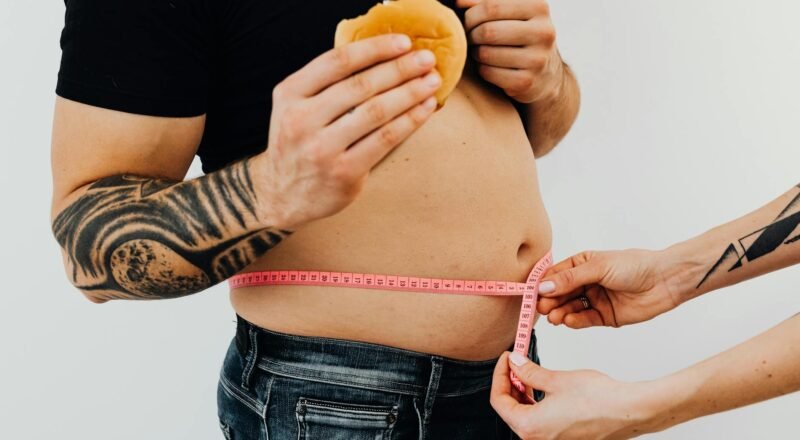
You wake up in the morning, step on the scale, and see that coveted number go down. The feeling of euphoria lasts exactly until a troubling thought creeps into your head: “But what exactly did I lose?
Does your body burn fat or muscle first? That hated ‘love handle’ on my sides, or the precious muscle I’ve been building for a month?”
This question plagues everyone: from beginners on the treadmill to experienced athletes before competitions. We want to look toned, not just “light.” We want firmness, not flabbiness.
So does your body burn fat or muscle first? Let’s figure this out once and for all right now.
I’ll explain how your body functions, why starvation is a bad idea, and how to “trick” your physiology to stay in shape without losing strength or muscle mass.
Table of Contents
Energy Balance: The Body as a Smart Investment Firm

Imagine that your body is a very conservative investment company. It has two main assets: muscle (like a gold reserve—expensive, reliable, but costly to maintain) and fat (like a cheap “piggy bank” or warehouse where you can store tons of fuel with almost no resource expenditure).
When you start eating less or moving more, the company (your body) gets a signal: “There’s less money (calories) in the coffers! We need to save!”
Our body’s primary goal is to survive. From an evolutionary perspective, muscle is a luxury. It’s heavy and consumes a huge amount of calories even at rest. Fat, on the other hand, is a strategic reserve in case of famine.
Therefore, when answering the main question, what does the body burn first, you need to consider the context. If you act aggressively (fasting) or chaotically, the body, in a panic, will start getting rid of what’s most valuable—the muscles. If you act wisely and gradually, it will be forced to dig deep and open up its fat reserves.
Glycogen: The “Quick Cash” in the Bank
Before we move on to the battle between fat and muscle, we need to introduce the third player—glycogen. It is a carbohydrate fuel stored in the liver and muscles.
When you start a diet, your body doesn’t immediately turn to fat. For the first 24–48 hours, it burns glycogen. Glycogen attracts water. The ratio is roughly 1:4. That’s why, in the first two days of a diet, the scale shows a weight loss of 2–3 kilograms. That isn’t fat or muscle—it’s water and carbohydrate reserves.
Only when glycogen stores are depleted (and this happens quickly, especially on a low-carb diet) does the body open its “vaults” and start choosing: does your body burn fat or muscle first?
And this is where things get interesting.
Catabolism: Why Your Body Hates Your Diet
The process of breaking down tissue is called catabolism. The body views the situation from the perspective of survival efficiency.
Imagine you need to heat your house (provide energy to your body), but you’re getting half as much firewood (food) as usual. What will you do? Will you start burning trash and old furniture (fat)? No. You’ll start by turning down the heat (basal metabolism). And if the starvation continues, you’ll start tearing down the walls (muscles) to burn them in the stove, because maintaining the integrity of those walls in the face of cold and hunger is too costly.
Hormonally, this process is controlled by two key players: cortisol (the stress hormone) and insulin (the nutrient transporter).
When blood sugar drops too low due to a strict diet, cortisol spikes. Cortisol is a “destructive hormone” when it comes to muscles. It directly triggers processes that break down muscle tissue into amino acids so the liver can convert them into glucose.
The paradox: you eat little to lose weight, but your body, frightened, starts burning muscle, while “hoarding” fat for a rainy day. Why does this happen? Because fat is the only energy source that can save you when there is no food at all. Your body doesn’t know that you’ll have lunch again tomorrow; it’s preparing for an ice age.
Fat or muscle: what determines the outcome?
So what determines which way the pendulum swings? Why does one person lose weight, become toned and lean, while another “shrinks,” loses shape, and looks flabby even at the same weight?
I identify three main factors that determine what the body burns first.
1. Calorie deficit: speed matters
This is the most important point. Calorie deficit is essential for weight loss; that’s a given. But the size of that deficit is what matters most. Metaphor: Imagine you’re an army general. Your provisions are running out. If you cut rations by 10%, the soldiers will remain strong but will start using strategic reserves (fat) from distant warehouses. If you cut rations completely, the soldiers will start killing the horses (muscles) to eat them and abandon the cannons (metabolism) because there’s no one left to pull them.
- A gradual deficit (10–20% below normal): You create a mild energy deficit. The body doesn’t panic. It has time to “stoke the fire” from fat stores. Cortisol levels remain normal. In this mode, fat burns most readily, and muscles remain safe, especially if you get enough protein.
- Aggressive deficit (fasting, 50% or more): You declare war on your body. In response, it switches to “crisis management” mode. Metabolism slows down by 20–30%. To conserve energy, the body begins to break down muscle, since it consumes too many calories. Fat, however, remains virtually untouched.
2. Protein in the Diet: Building Material
If you don’t provide your body with protein (amino acids) from external sources, it is still forced to maintain glucose levels and repair cells. The only source of amino acids in this case is your own muscles.
The conclusion is harsh: without enough protein, you will burn muscle, even if the calorie deficit is small.
How much protein do you need? For someone who is losing weight and wants to preserve muscle tissue, the standard is 1.6–2.2 grams per kilogram of body weight. If you weigh 70 kg, you need at least 112–150 grams of pure protein per day. It isn’t “just food”; it’s the math of preserving your body.
3. Physical activity: the “we need muscles” signal.
The body is a lazy and pragmatic master. It retains only what you use. If you’re losing weight and just sitting on a diet without moving, your body gets a clear signal: “Hey, we don’t need these huge legs and arms; we don’t walk on them or lift anything heavy. Let’s burn them for fuel and keep only the fat for warmth.”
Strength training is the only way to tell your body: “Muscles are a priority; we need them to survive.” When you create mechanical tension in your muscles (lifting weights, working with bodyweight), you trigger the process of protein synthesis (myofibrillar hypertrophy). Even if you’re in a calorie deficit, the presence of a strength stimulus forces your body to leave muscle fibers alone and seek energy in fat tissue.
The Truth About Cardio: Friend or Foe?

We need to talk specifically about cardio workouts. There’s a myth that if you run in the morning on an empty stomach, your body burns fat directly. This is true, but only partially.
It’s true that when glucose levels are low (on an empty stomach), the body uses fatty acids more actively as an energy source. But if you run for hours at a slow pace, you also trigger catabolism. Prolonged low-intensity cardio (more than 60–90 minutes) is stressful. Cortisol levels rise, and the body starts burning muscle to maintain blood sugar levels.
So what should you do?
- Strength training (2–4 times a week) is the foundation.
- HIIT (high-intensity interval training) — short bursts of intense exercise (15–20 minutes) help burn fat and preserve muscle through anaerobic glycolysis.
- Separate cardio and strength training or do them at different times so as not to compound one stress on top of another.
Hormonal balance: who’s in charge?
We’ve already touched on cortisol, but there are other players.
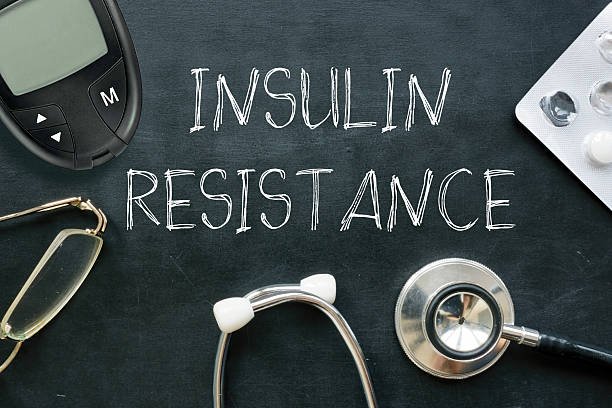
- Insulin. Its job is to shove energy into cells. If you have insulin resistance (cells “don’t respond” to insulin), you’ll gain fat even on a moderate diet, and your body will break down muscle, because glucose can’t get into muscle cells; it turns into fat. For such people, intermittent fasting or a low-carb diet often works better than standard frequent meals.
- Testosterone and growth hormone. These are anabolic hormones that protect muscle. Their levels drop with chronic sleep deprivation and stress. If you sleep less than 7 hours while on a diet, there is a 90% chance you will burn muscle, even if you do everything else right.
Practical Guide: How to Make Your Body Burn Fat, Not Muscle
I’ve prepared a step-by-step strategy for you. If you follow these rules, the question “does your body burn fat or muscle first” will no longer be a problem for you. You’ll know that your body is tuned for fat burning.
1. Calculate a “safe” weight loss rate
The golden rule: lose no more than 0.5–1% of your body weight per week.
- If you weigh 80 kg, the acceptable weight loss is 400–800 grams per week.
- If the scale drops faster, be aware that you are losing water and muscle, not fat. Fat cannot physically be oxidized faster than a certain rate.
2. Eat protein first
At every meal, eat the protein component first (chicken, fish, tofu, eggs, protein powder). It satisfies your hunger, increases the thermic effect of food (up to 30% of a protein’s calories are spent on digestion), and sends a signal to your muscles:
“Building material is coming in; no need to break yourself down.”
3. Don’t cut out fats completely
Sounds strange, doesn’t it? To burn fat, you need to eat fats. If you cut fats down to a critical minimum (less than 0.5–0.8 g per kg of body weight), you disrupt your hormonal balance. Testosterone levels drop, and the absorption of fat-soluble vitamins suffers. Your metabolism goes haywire, and your body switches to “conservation” mode for its own fat.
4. Strength training is non-negotiable
Without this, everything else is useless. You don’t have to become a powerlifter, but you must give your muscles a progressive strain.
- If you’re a beginner, start with basic exercises: squats, push-ups, and deadlifts.
- If you’re experienced, workout in the range of 8–12 reps to failure.
- Strength training is the best antidote to catabolism.
5. Pay attention to your body’s signals
Chronic fatigue, irritability, loss of libido, poor sleep quality, and constant sugar cravings aren’t “diet struggles.” These are signs that your body is burning muscle because your cortisol levels are through the roof, and your thyroid has slowed down. In this situation, you shouldn’t “grit your teeth,” but rather increase your calorie intake (to a maintenance level) and give yourself a break.
Myths About Burning Fat and Muscle.
Let’s debunk a few persistent misconceptions that prevent people from understanding what the body burns first.
Myth 1: “Fat turns into muscle.”
No. These are different tissues. Fat cannot transform into muscle, just as water cannot turn into gasoline. You can either reduce the number of fat cells (their volume) or build muscle tissue. These are two separate processes.
Myth 2: “Spot fat burning exists.”
No. Doing sit-ups doesn’t burn fat specifically on your stomach. The body burns fat evenly throughout the entire body, depending on genetics and blood flow. In men, fat is lost from the stomach last; in women, from the hips. Sit-ups make the muscles stronger, but you can only remove fat from them through an overall calorie deficit.
Myth 3: “Low intensity burns more fat, so it’s better.”
This is a percentage trap. Yes, when walking in the fat-burning zone (60–70% of max HR), the body uses a higher percentage of energy from fat. But the total number of calories burned per hour is low. At high intensity, the percentage of fat is lower. Still, total calorie expenditure is higher, and the “afterburn” effect (EPOC) causes the body to continue burning energy for several hours after the workout. The key is not to overdo it, so as not to trigger muscle breakdown.
What happens on low-carb diets and keto?
The keto diet and LCHF (low-carb, high-fat) have become popular precisely because of the metabolic shift effect. When you cut out carbohydrates, glycogen stores are depleted, and the body enters a state of ketosis, beginning to actively use fat as its primary energy source.
What happens to your muscles at this moment? In the first 1–2 weeks, you may experience a slight loss of strength and muscle mass (glycogen and water leave the muscles—they “shrink”). But if you consume enough protein and maintain strength training, your body stops burning muscle and adapts to using fatty acids and ketone bodies.
However, keto is not a one-size-fits-all solution. For people with high physical activity levels (CrossFit, sprinting), the absence of carbohydrates can cause the body to start using muscle amino acids for gluconeogenesis (glucose production). That brings us back to the question of balance.
How to eat so your muscles stay with you
I always recommend that my readers follow a simple formula that eliminates the risk of muscle loss:
- Protein: 1.6–2.2 g per kg of body weight. Spread it out over 3–5 meals. The optimal serving size per meal is 30–40 g.
- Fats: 0.8–1 g per kg of body weight. Don’t go below this. It affects your hormones and joint health.
- Carbohydrates: the remaining space in your calorie intake. If your goal is weight loss, I recommend focusing your carbohydrate intake around your workout (before and after). It will create an energy window where glucose goes toward muscle recovery rather than being stored as fat.
Expert opinion: quote
Dr. Michael Isaacs, a sports medicine specialist (a fictional character used to illustrate expert opinion), said in one of his interviews: “In my practice, I often see people who come in complaining: ‘I’ve lost 15 kg, but I look worse than before the diet.’ We perform bioimpedance analysis, and it turns out that of those 15 kg, 8 kg is muscle mass. They’ve ‘eaten’ themselves away. At the same time, their body fat percentage has increased, even though their weight has decreased. That is called a ‘skinny fat person.’ There’s only one way to avoid this—take your time and train with weights.”
Conclusion: A Long-Term Strategy
So, returning to our main question: What does the body burn first: fat or muscle?
The answer is: It all depends on you.
If you choose crash diets, starvation, and avoid protein and strength training, your body will start burning muscle first. You’ll see the scale go down, but along with that, you’ll get a flabby body, a slowed metabolism, and the “yo-yo” effect, where after returning to a normal diet, the weight comes back—but this time as fat.
If you act like a strategist, then your body will switch to pure fat-burning mode. It will preserve muscle as valuable tissue necessary for movement and survival, and will draw energy from your fat reserves.
- Create a moderate calorie deficit (no more than 20%),
- Fill your diet with high-quality protein,
- Don’t be afraid of heavy weights at the gym,
- Get enough sleep and manage stress,
Remember: your body isn’t the enemy. It doesn’t want to make you fat or flabby. It’s simply trying to survive. Your task isn’t to fight it with starvation, but to create conditions under which it will benefit from burning fat, preserving your strength, beauty, and health for years to come.
Proceed gradually, listen to your body, and the results won’t be long in coming.
Want this article to read in pdf later?
Enter your Email Address to get this article in pdf format