

In the modern world with its mania about the speed of things and immediate outcomes, the business of slimming down fast is flourishing, providing easy but not always safe ways to do so. Colon weight loss, as an example for cleaning it. At the forefront of this industry, some methods promise more than just fat burning, promising “cleansing”, “renewal”, and “detoxification” from within. This is where the main danger lies: under the guise of health care, practices that can cause serious and sometimes irreparable harm are promoted. Cleansing the colon for weight loss is one of the most common and most insidious such myths. The article is not a mere review, but a comprehensive, scientifically substantiated study that will disprove all the known myths, reveal the actual physiological risks, and become the only correct way to a healthy body and permanent weight. We will analyze in detail why this method does not work for long-termweight loss, what hidden threats it harbors, and how to distinguish the scientific approach from a dangerous myth.
Table of Contents
The Dangerous Truth About Slimming Gut Cleansing: The Anatomy of a Myth
The concept of colon cleansing for weight loss has its roots in ancient times, in an era when notions of human physiology were vague and often erroneous. The ancient Egyptians and Greeks believed in “autokies” — poisons that accumulate in the intestines and poison the body. Today, this idea, disguised in pseudoscientific terms like “detox”, “slags” and “toxins”, is undergoing a powerful renaissance. Marketers skillfully exploit the natural human desire to find a simple answer to the complex problem of excess weight. They offer to “reboot” the system, “wash” the accumulated deposits for years, and thus magically gain lightness and harmony.
But let’s turn to the facts and physiology:
• The myth of “slags” and “accumulated toxins”: From the point of view of evidence-based medicine, the concept of “slags” clogging the intestines is a pure myth. A healthy body is not a sewer pipe that gets clogged. It’s a complex, self-regulating ecosystem. The primary function of the colon is the absorption of water and electrolytes from the food mass, the formation and evacuation of feces. It is not designed to store “waste” for years. The intestinal walls are constantly updated, and their contents are regularly excreted. If hard deposits (fecal stones) did accumulate in the intestine, it would be a severe medical condition visible on X-rays and requiring urgent medical intervention rather than home cleaning.
• What are feces really? Their composition is mainly water (about 75%), indigestible dietary fiber, living and dead bacteria of our microbiota (up to 50% by volume!), mucus, and a small amount of fats and undigested substances. There are no mythical “toxins” in them that could not be neutralized by our liver, the primary and most effective detox organ, which neutralizes all potentially harmful compounds entering the blood.
• What is really going on with the weight? When a person performs aggressive bowel cleansing for colon weight loss, the scale can show a loss of 2-5 kg in one to two days. It’s impressive, but it’s an illusion. The lost weight is:
1. Water: Laxatives and hydrocolonotherapy cause severe dehydration.
2. Intestinal contents: Natural feces that are usually found in the colon.
3. In rare cases — muscle glycogen: When combined with fasting, the body uses up the glycogen stores in the muscles, which also binds a lot of water.
Adipose tissue — a dense, metabolically active structure — is practically unaffected. Its breakdown is a slow biochemical process that requires a sustained calorie deficit, not just bowel movement. As soon as a person returns to a regular diet and drinking regime, the water immediately returns, the intestine is filled, and the weight is restored to its original, and often more.
Quote from the expert, MD, gastroenterologist: “The idea that the large intestine needs regular cleaning for health or weight loss is one of the most persistent and dangerous misconceptions in alternative medicine. Our gut is not a dirty oven, it is a sophisticated ecosystem, the balance of which is easily destroyed by rude intervention. Weight loss after such procedures is temporary and is associated solely with dehydration and loss of content, not fat.”
Intestinal cleansing for weight loss: a risky way. Detailed analysis of methods and their consequences.
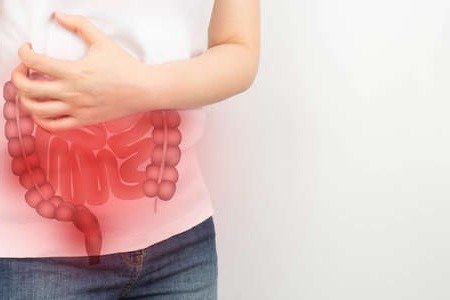
Risks associated with colon cleansing practices range from unpleasant side effects to life-threatening conditions. Let’s systematize them by considering each popular method separately.
1. Hydrocolonotherapy (colonohydrotherapy)
This procedure, carried out in spas or clinics, involves injecting a large amount of water (up to 60 liters per session) under pressure into the rectum to “deep wash” the colon.
• Disruption of the microbiome — a blow to immunity and digestion. A healthy gut is populated by trillions of bacteria, fungi, and viruses, collectively referred to as the microbiota. This “organ within an organ” is responsible for:
◦ Digestion of fiber and synthesis of vitamins (K, B12, biotin).
◦ Maintaining the integrity of the intestinal barrier.
◦ Training and stimulation of the immune system (up to 70% of immune cells are in the intestine).
Mood ◦ regulation through the gut-brain axis.
A powerful jet of water literally washes away this fragile ecosystem. Restoring microbiota diversity after such aggression can take months, and sometimes years, and will never be complete. The consequences are chronic bloating, impaired stool, decreased immunity, increased susceptibility to infections, and even an effect on the psycho-emotional state.
• The risk of intestinal perforation is a direct threat to life. The wall of the colon is thin and elastic, but it is not designed for external pressure from a hose. Incorrect tip position, overpressure, or undetected conditions (diverticula, inflammation) can lead to rupture. Intestinal perforation is an emergency surgical situation in which the contents of the intestine enter the sterile abdominal cavity, causing peritonitis, sepsis, and a high risk of death.
• Electrolyte imbalance is a silent catastrophe. Together with water, vital electrolytes are washed out of the body: potassium, sodium, magnesium, chlorine. Their imbalance leads to:
◦ Abnormal heart rhythm (arrhythmias), which is especially dangerous for people with undiagnosed heart problems.
◦ Muscle weakness, cramps.
◦ Impaired renal function.
◦ Dizziness, confusion.
2. Taking laxatives, detox teas, and dietary supplements
This method is often used to clean the intestines for weight loss at home and seems to be the safest, which is its main danger.
• Development of drug dependence (“lazy bowel”). With regular intake of laxatives (even vegetable, senna-based, buckthorn, aloe), nerve receptors in the intestinal wall lose sensitivity to natural stimuli. The intestine stops responding to the filling and stops contracting on its own. A vicious circle is formed: constipation after discontinuation of the laxative -> a new intake of the laxative -> further inhibition of the reflex. In severe cases, this leads to the need for constant medication or even surgery.
• Dehydration and nutrient loss. Chronic diarrhea prevents the normal absorption of not only water, but also nutrients, vitamins (A, D, E, K — fat-soluble), and minerals. That way for colon weight loss leads to:
◦ Hypokalemia (potassium deficiency): muscle weakness, paresis, life-threatening arrhythmias.
◦ Osteoporosis and bone fragility due to calcium loss and vitamin D malabsorption.
◦ Deterioration of the skin, hair, and nails.
◦ General weakness and loss of strength.
• Liver and kidney damage. Many plant components of “cleansing” teas (for example, senna alkaloids) have hepatotoxic (liver-damaging) and nephrotoxic (kidney-damaging) effects with prolonged use. The liver, already busy neutralizing these compounds, receives an additional load.
3. Enema at home and saline solutions
Traditional methods, such as enemas with various solutions or ingestion of salt water (practice from Shank-Prakshalan yoga), carry the same risks as professional procedures, but are exacerbated by a lack of control.
• Infections and injuries. Non-sterile devices, improperly prepared solutions, trauma to the rectal mucosa with a tip can lead to bacterial and viral infections, inflammatory processes (proctitis, paraproctitis).
• Disturbance of the acid-base balance (pH) of the intestine, which creates conditions for the growth of pathogenic microflora.
• Risk of acute heart failure when taking saline solutions due to sudden overload of blood volume and sodium imbalance.
Summary table of risks of the primary cleaning methods
| Cleaning method | Direct side effects | Medium-term consequences (weeks-months) | Long-term risks (months/years) |
|---|---|---|---|
| Hydrocolonotherapy | Nausea, vomiting, cramps, dizziness, feeling of fullness. | Persistent dysbacteriosis, chronic constipation or diarrhea, recurrent thrush. | Irritable bowel syndrome, damage to the anal sphincter (incontinence), risk of perforation with each procedure. |
| Laxatives/teas | Bloating, stomach pain, uncontrollable diarrhea, dehydration. . | Electrolyte imbalance, development of dependence on laxatives, deterioration of skin condition. | Chronic “lazy bowel” disease, osteoporosis, liver and kidney damage, vitamin deficiency. |
| Regular enemas | Discomfort, pain, cramps, risk of infection. | Loss of the natural reflex to defecate, inflammation of the rectal mucosa. | Chronic proctitis, anal fissures, functional disorders of the pelvic floor. |
Why bowel cleansing is a dangerous weight loss strategy: Impossibility of long-term outcome and systemic harm.
Viewing bowel cleansing as a way to lose weight is a fundamental mistake in understanding how our body works. This strategy is not just risky — it is counterproductive and leads to the opposite of the desired results.
1. Ignoring the basics of energy balance. The physics of the body is simple: to lose fat, you need to create a calorie deficit, in which energy consumption exceeds energy intake. Cleansing the colon does not affect this balance in any way. It does not increase calorie expenditure (on the contrary, due to weakness and loss of muscle mass, it can decrease) and does not teach how to control their consumption. After a short “miracle”, a person returns to the same eating habits that led to weight gain. This is a classic example of a “quick fix” that does not solve the problem.
2. Subversion of metabolism and provocation of the “yo-yo” effect.
• Loss of muscle mass: During aggressive cleansing, especially combined with starvation, the body begins to break down not only fat, but also muscle proteins for energy. Muscles are the leading consumers of calories at rest (primary metabolism). The smaller the muscle mass, the slower the metabolism.
• Adaptation of the body: Sudden weight loss (albeit at the expense of water) is perceived by the body as stress and threat. Ancient survival mechanisms are included: metabolism slows down, the level of the hunger hormone ghrelin increases, and the level of the satiety hormone leptin decreases. As a result, after the end of cleansing, a person experiences wolf hunger, eats more than usual, and their slowed metabolism contributes to even faster weight gain. This is the infamous “yo-yo” effect, where each new cycle of “cleansing” ends with even more weight than before.
3. Forming an unhealthy relationship with food and your own body. The rhetoric of “cleansing” and “toxins” is deeply toxic in itself. It divides food into “clean” and “dirty”, “good” and “poisonous”. And we present the body as something contaminated, requiring constant punishment and cleaning. This is a direct path to the development of eating disorders:
• Orthorexia: Obsessive desire for “right” and “clean” nutrition, which becomes the primary goal of life, displacing joy and social connections.
• Restriction and breakdown cycles: After a hard cleaning, a breakdown to “forbidden” food follows, followed by guilt and a new, even harsher cleaning.
Expanded example from practice: Maria, 28 years old, office manager. She started with a “detox program” of juices and laxative tea to “get in shape” for the summer. I lost 4 kg in a week, and I was delighted. A month later, the weight returned with an increase of 2 kg. Upset, she repeated the cleaning, but for a longer time. By the end of the year, she got into a vicious circle: 3 days of “clean” nutrition on kefir and vegetables -> severe hunger -> breakdown on fast food and sweets -> guilt and a new cleansing. In addition to gaining 7 kg per year, she received diagnoses: irritable bowel syndrome with alternating constipation and diarrhea, the initial stage of gastritis, and clinical depression against the background of constant concern about food and weight. The work with a psychotherapist and a nutritionist, aimed at intuitive nutrition and restoration of microflora, took more than a year.
Hidden dangers of using bowel cleansing for weight loss: What escapes attention.
In addition to direct physiological threats, there are less obvious but systemic dangers associated with this phenomenon.
• Masking of serious diseases. Chronic abdominal discomfort, bloating, and stool disorders are not a reason for self-cleaning. These are symptoms that may indicate:
◦ Irritable Bowel Syndrome (IBS).
◦ Inflammatory bowel diseases (Crohn’s disease, ulcerative colitis).
◦ Celiac disease (gluten intolerance).
◦ Endocrine disorders (hypothyroidism).
◦ Oncological diseases of the colon.
By silencing the symptoms with a temporary “cleansing”, a person loses precious time, allowing the disease to progress. Cleansing the colon weight loss can delay a vital diagnosis.
• Economic exploitation and pseudoscience. The detox industry is a billion-dollar market built not on scientific data, but on aggressive marketing, fear, and ignorance. The money that could have been spent on a nutritionist’s consultation, quality products, a fitness subscription, or psychotherapy is spent on useless and harmful procedures, teas, and supplements.
• Undermining trust in medicine and the scientific approach. The popularization of these practices is often accompanied by rhetoric that “official medicine does not want to treat you, it only suppresses the symptoms.” This undermines people’s trust in doctors and evidence-based therapies, forcing them to seek salvation in an environment where commerce, not patient health, rules.
Important fact: The US Food and Drug Administration (FDA), as well as similar regulatory authorities in other countries, have not approved any hydrocolonotherapy devices for general wellness or weight loss. These devices are approved only for medical use for strict indications, such as preparation for a colonoscopy under the supervision of a physician. Their use in spas often takes place in a legal vacuum, without proper control over the sterility and qualifications of the staff.
Weight loss or health risk? The truth about bowel cleansing and the road to sustainability.

The choice that faces anyone thinking about bowel cleansing for weight loss is actually a choice between the two philosophies. The first is the philosophy of rapid, but illusory and dangerous “correction”. The second is the philosophy of gradual, respectful, and scientific lifestyle change that leads to real and lasting health.
Healthy, scientifically sound, and effective alternatives.
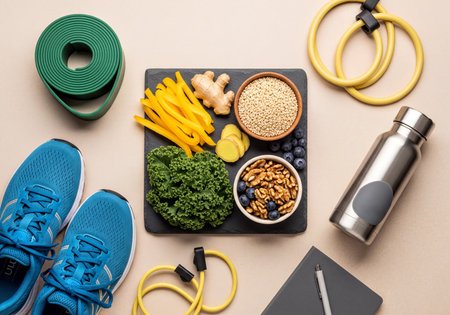
1. Formation of a diet rich in fiber. This is a natural, daily, and safe bowel cleansing. Fiber (dietary fiber) is not digested, but serves as food for a beneficial microbiota, increases the volume of feces, and gently stimulates peristalsis.
◦ Practical steps: Aim for 25-35 grams of fiber per day. Include vegetables in each meal (at least 400-500 g per day). Choose whole-grain products (buckwheat, oatmeal, brown rice, whole-grain bread). Add to the diet bran, flax, and chia seeds (pre-soaked), legumes.
◦ Example of a daily diet: Breakfast — oatmeal on water with berries and a spoonful of flax seeds. Lunch — buckwheat with chicken breast and a large portion of fresh vegetable salad with herbs. Dinner — baked fish with stewed broccoli and cauliflower. Snack — an apple or a handful of nuts.
2. Adequate water intake. 1.5-2 liters of clean water per day is a prerequisite for the functioning of the fiber, normal digestion, fat metabolism, and general well-being. Fiber without water is like a dry sponge — it will not be able to perform its function and can aggravate constipation.
3. Regular physical activity, combining different types of exercise.
◦ Cardio exercises (walking, running, swimming, cycling): improve blood circulation throughout the body, including in the gastrointestinal tract, and help create a calorie deficit.
◦ Strength training (exercises with weight, elastic bands, body weight): critically crucial for building and maintaining muscle mass, which is the main “calorie burner” at rest and accelerates metabolism.
4. Stress management and quality sleep. Chronic stress increases the level of cortisol, which promotes the deposition of fat in the abdomen and can disrupt intestinal motility. Practicing meditation, breathing exercises, hobbies, and sleeping 7-9 hours is an integral part of a healthy approach to weight.
5. Consultation with professionals. If there are problems with digestion or excess weight, the algorithm of actions should be as follows:
◦ Gastroenterologist: To rule out or diagnose medical conditions, get treatment recommendations.
◦ Nutritionist/Nutritionist: to make an individual, balanced eating plan, to teach the proper eating habits without prohibitions and disruptions.
◦ Psychologist/psychotherapist: if there are signs of an eating disorder, stress jamming, or unhealthy body preoccupation.
Bottom line: The truth about bowel cleansing for weight loss is unforgiving and straightforward. It is a dangerous, ineffective, and counterproductive practice that exploits your fears and hopes. Its consequences for microflora, electrolyte balance, psyche, and metabolism can negate all imaginary short-term benefits. The road to a healthy body and comfortable weight does not lie through violence against the body in the form of cleansing the colon, but through consistent, conscious, and kind care for it: through good nutrition, movement, sleep, and professional support. Choose the path of health, not illusions.
Want this article to read in pdf later?
Enter your Email Address to get this article in pdf format