
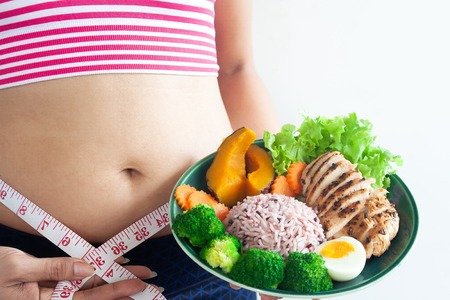
You’re thinking about fighting against stubborn belly fat. Many others and I have spent a lot of time in these “jungles”, tried a bunch of methods, made mistakes, and finally began to understand the essence of the problem and what are the healthy diet foods to lose belly fat. It turned out that everything we were told about “doing crunches until blue in the face” and “eating only chicken and rice” was just the tip of the iceberg, and sometimes even a myth. The key to everything is not exhausting diets, but competent, conscious nutrition that becomes your way of life, not a punishment.
I’m not going to give you a boring article with a bunch of lists. Instead, I’m going to share my conclusions, personal experiences, and the building blocks of a nutrition system for a flat, healthy stomach. Good to go? Then let’s start with the most critical psychological mindset.
Table of Contents
Part 1: Changing our mindset. From diet to nutrition system
Let’s agree right away: we are not “going on a diet.” A diet is a temporary method associated with restrictions, stress, and ultimately failure. Our goal is to build a nutrition system that will work for us permanently. It should be:
• Filling: No feeling of hunger or obsessive thoughts about food.
• Tasty: Food should be enjoyable, not tasteless torture.
• Convenient: Something that can be adapted to work, travel, and visit friends.
Belly fat is not just an aesthetic problem. It is most often a marker of visceral fat, which surrounds the internal organs and affects hormonal balance, in particular, insulin sensitivity. Our task is not to “burn” it locally (unfortunately, this is impossible), but to create conditions in the body under which it will begin to be used as energy. And the first step towards achieving this is metabolism.
Part 2: Starting the engine: how to boost your metabolism with food
Metabolism is like a furnace that burns calories. Our goal is not to extinguish it with meager meals, but to stoke it properly. Here’s what kind of “fuel” works best.
1. Protein is your best friend and ally.
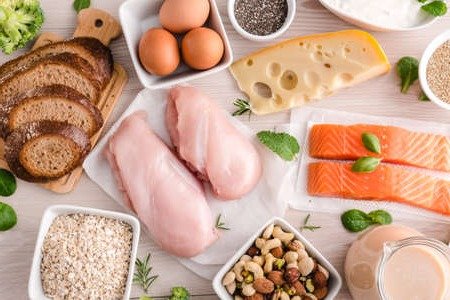
It is the foundation, the cornerstone of the entire system. That’s why I can’t imagine eating without it now:
• High thermal effect: The body spends about 20-30% of the calories it gets from protein on digestion. For comparison: 5-10% for carbohydrates and 0-3% for fats. In other words, when you eat chicken breast, you are already partially spending energy on digesting it.
• Long-lasting satiety: Protein is very filling and regulates the hormones of hunger (ghrelin) and satiety (leptin). After a protein-rich breakfast, we can comfortably work until lunch without thinking about snacking.
• Muscle preservation: When you are in a calorie deficit, your body looks for energy. If there is not enough protein, it will take it from your muscles. And muscles are your active metabolic furnaces. The more you have, the more calories you burn even at rest. Protein protects them.
My favorite sources of protein in my diet:
• Poultry: Chicken and turkey breast (grilled or baked).
• Fish: Salmon and mackerel (source of Omega-3) 2-3 times a week, cod, pollock.
• Eggs: The perfect food. I eat 3-4 whole eggs almost every day. The myth about the harmfulness of egg yolks has long been dispelled.
• Milk products: Cottage cheese (5%), Greek yogurt without sugar, kefir.
• Plant sources: Lentils, chickpeas, tofu (great in salads).
2. Water and drinks that really work.
It’s simple, but you can’t do without it. Dehydration = slow metabolism. When there is not enough water, all processes in the body slow down, including lipolysis (fat breakdown).
• My main life hack: A glass of water 15-20 minutes BEFORE eating. It helps to distinguish thirst from hunger and eat less.
• What else is effective: Green tea (thanks to EGCG, an antioxidant that promotes fat oxidation) and black coffee (caffeine has a slight thermogenic effect and provides energy for training). But the basis is pure water. 1.5-2 liters a day is essential.
3. Hot spices are small accelerators.
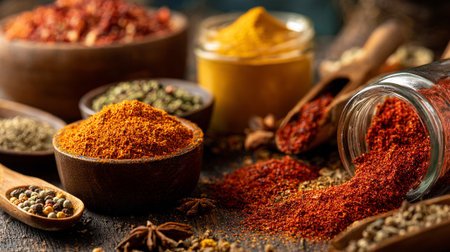
They’re not a magic pill, but they’re a nice bonus. Capsaicin, found in chili peppers and cayenne pepper, has a slight thermogenic effect that slightly increases body temperature and energy expenditure. I started adding a pinch of cayenne pepper to my eggs, meat, and vegetable dishes more often.
Part 3: Breaking dietary stereotypes. Fats and carbohydrates are not enemies.
This is the most critical section. For years, many people have been afraid of fats and carbohydrates, switching to low-fat foods and endless buckwheat. And that is the main mistake in healthy diet foods tolose belly fat.
Healthy fats are not a myth, but a harsh reality.
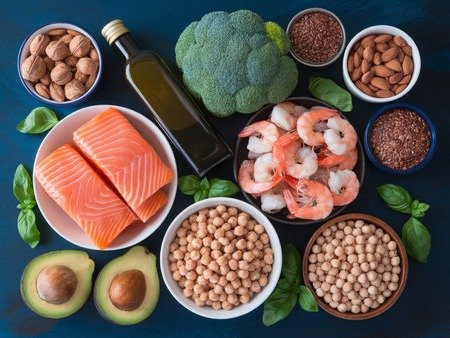
For a long time, I thought that fat = belly fat. That was wrong! Healthy fats are critical for:
• Hormonal health: They are used to build our sex hormones, including testosterone, which directly affects body composition in men and women.
• Vitamin absorption: Fat-soluble vitamins A, D, E, and K cannot be absorbed without fat.
• Feeling full and stable energy: They do not cause sharp spikes in insulin.
What I included in my diet:
• Avocado: Half of an avocado in a salad or on whole-grain toast with eggs.
• Nuts and seeds: Almonds, walnuts, chia, and flax seeds (a source of fiber and omega-3). Important: a serving is a small handful (20-30 g), not a jar.
• Cold-pressed olive oil: Exclusively for salad dressing. Not for frying!
• Fatty fish: Mentioned above as a source of protein and omega-3.
Carbohydrates: choose wisely, don’t give them up altogether.
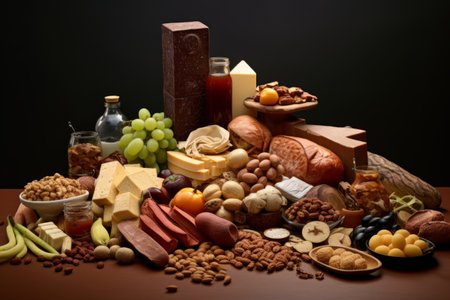
Completely giving up carbohydrates leads to fatigue, bad moods, and sugar cravings. It’s all about quality and quantity.
• Complex carbohydrates (our friends): Buckwheat, brown/wild rice, quinoa, slow-cooking oats, bulgur, whole grain bread, sweet potatoes. They provide long-lasting energy and are rich in fiber and micronutrients.
• Simple carbohydrates ( be careful when you eat them): White bread, pastries, sweets, sweet drinks. They cause a sharp spike in blood sugar, followed by an equally sharp drop, accompanied by ravenous hunger and fatigue. I allow myself to eat them 100%, but I eat them consciously and rarely (for example, a piece of cake on my birthday).
Part 4: Low-calorie heavyweights: vegetables and fruits
This is my secret to volume and satiety without extra calories. You can eat a huge plateful, and it will be low in calories but high in benefits.
Vegetables are the basis of any meal.
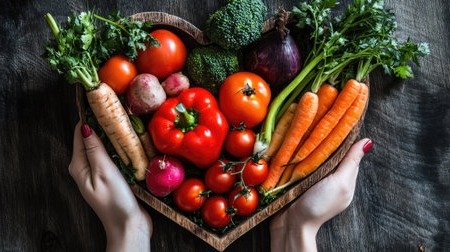
They are full of fiber, vitamins, and water.
• Fiber is nutrition for our microflora, which directly affects metabolism and immunity. It slows down the absorption of carbohydrates and prevents you from getting hungry quickly.
• My “half-plate” rule: Half of my plate is filled with vegetables. This could be a large salad of greens, cucumbers, and peppers, braised broccoli with carrots, or baked zucchini.
• Best choices: All types of leafy greens (spinach, arugula, salad greens), cruciferous vegetables (broccoli, cauliflower, Brussels sprouts), peppers, cucumbers, celery, zucchini, and tomatoes.
Fruit: nature’s dessert, but be wary of sugar.
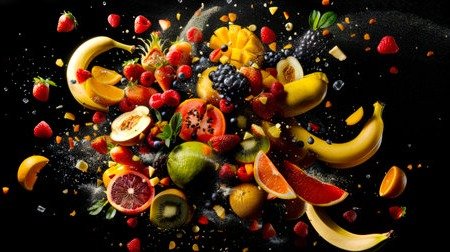
Fructose is also a sugar. Therefore, fruit is not an unlimited product to eat.
• Best choices (low glycemic index, high fiber): Berries (raspberries, strawberries, blueberries), apples, pears, grapefruits.
• What I eat less often and in the first half of the day: Bananas, grapes, mangoes, and very sweet peaches.
• My approach: Fruit is my healthy dessert or part of my breakfast (berries in cottage cheese or oatmeal). No more than 2-3 servings a day.
Part 5: Putting it all together: what my plate looks like
Theory without practice is dead. Here’s how it works in my daily life.
Breakfast (30-60 minutes after waking up):
Option 1: 3-egg omelet with spinach and tomatoes + a slice of whole-grain bread.
Option 2: Greek yogurt + a large handful of berries + a spoonful of chia/flax seeds + a handful of nuts.
Lunch (the largest meal):
The “Healthy Plate” rule applies here:
• 1/2 plate: Vegetables (a large salad made from whatever is in the refrigerator, with olive oil and lemon juice).
• 1/4 of the plate: Protein (baked chicken breast or fish).
• 1/4 of the plate: Complex carbohydrates (buckwheat or brown rice).
Dinner (3 hours before bedtime, light meal):
• Most of the plate: Vegetables (stewed or fresh).
• The rest: Protein (cottage cheese, baked white fish, a piece of turkey).
• I minimize carbohydrates at dinner if I didn’t have an evening workout.
Snacks (if needed):
• An apple with a handful of nuts.
• Celery sticks with hummus.
• A piece of cheese.
• Protein shake with water or milk (after training).
Part 6: Habits without which all these foods are useless
Nutrition is 80% of success. But the remaining 20% is habits that multiply it.
1. Quality sleep (7-8 hours). Lack of sleep increases the levels of the stress hormone cortisol and the hunger hormone ghrelin, while decreasing leptin (the satiety hormone). Simply put, if you don’t get enough sleep, you’ll want to eat unhealthy foods all day long.
2. Stress management. Chronic stress = high cortisol = accumulation of visceral fat in the abdomen. My salvation is walking, music, hobbies, and breathing exercises.
3. Physical activity (not just the gym). Ten thousand steps a day is not a myth. It helps improve insulin sensitivity, get your blood flowing, and relieve stress. I walk whenever I can.
4. Strength training. This is the best way to build those metabolically active muscles that will burn calories 24/7. You don’t have to become a bodybuilder; 2-3 full workouts a week work wonders.
5. Mindful eating. Eat slowly, not in front of a screen, savor the taste, and stop when you’re full. It is a skill that you must develop.
Conclusion
My friends, the path to a flat stomach is not a sprint, but a marathon. It’s not about restrictions and suffering, but about learning to love the process of taking care of yourself. Don’t start with everything at once, but with small steps in your trip for healthy diet foods to lose belly fat :
1. This week, increase your water intake and add vegetables to your main meals.
2. Next week, make sure you include high-quality protein in every meal.
3. Then, replace one unhealthy snack with a healthy one.
Listen to your body. Your body is smart. Sometimes, craving sweets isn’t a sign of weakness, but rather a sign of sleep deprivation or a lack of chromium/magnesium in your diet. Try, observe, and adjust.
These 1,500+ words are a distillation of the experience and knowledge I have gathered bit by bit. They will help you build your own comfortable and effective system. Remember, the main goal is not just a flat stomach, but energy, health, and self-confidence every day.
Want this article to read in pdf later?
Enter your Email Address to get this article in pdf format