
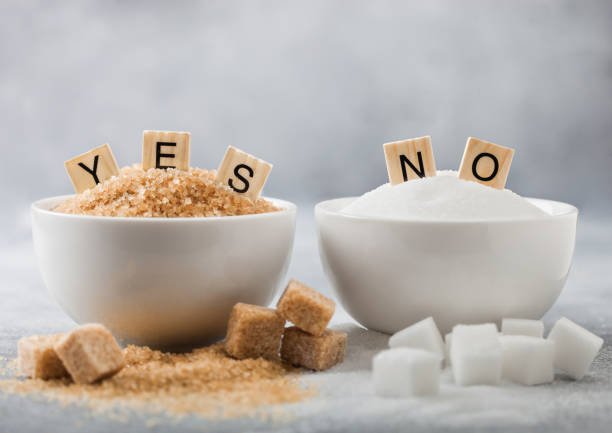
Thinking of ditching sugar? Explore the real sugar substitutes pros and cons—from weight control and dental benefits to gut health risks and long-term safety concerns—before you make the switch.
When I first started thinking about cutting white sugar out of my diet, I was overcome with panic. How would I sweeten my morning coffee? How would I bake my favorite cookies? And then a barrage of information hit me: stevia, erythritol, sucralose, aspartame. My eyes darted around, and one question kept spinning in my head: wouldn’t I be doing myself even more harm? Today, I want to take a detailed look at sugar substitutes pros and cons with you so you can make an informed choice rather than follow the latest fad.

These days, it seems as though sugar is practically public enemy number one: alarming headlines are written about it, and social media is flooded with stories about yet another “hero” who has “given up sugar” for good and started a new life. And replacing the familiar sweetness are either pills that look surprisingly like sugar, erythritol in zip-top bags, or mysterious drinks with bold labels reading “Zero” or “Light.”
But let’s be honest: let’s figure out just how safe these “lifelines” really are because the temptation is strong. Some people add a sweetener to their morning coffee (we want something sweet without the harm!), while others naively hope to lose weight just by switching to the “light” version of cola—figuring that since there are no calories, there won’t be any problems either.
This is where things get really interesting. What are sugar substitutes, really? How does the body react to them? In my view, it’s important not just to read the ingredients or unquestioningly trust the “0” on the label—but to try to understand a little more deeply what this altruism from the food industry threatens us with, and where concern for health ends and the marketing show begins. Let’s sort out the myths and facts about modern sweet substitutes—so that later you can make your choice with peace of mind (or at least drink tea with the same erythritol—without any illusions).
Table of Contents
Why did we start looking for a sugar substitute in the first place?
Before diving into the sugar substitutes pros and cons, it’s important to understand the motivation behind them. Regular sugar (sucrose) is a fast-acting carbohydrate. It gives us an instant energy boost, but it’s almost always followed by a crash: fatigue, irritability, and the urge to eat something else sweet. Plus, too much sugar is a direct path to weight gain, skin problems, insulin resistance, and type 2 diabetes.
That’s where sweeteners come in. They promise us a sweet taste without calories, without insulin spikes, and without harming our teeth. Sounds like magic, right? But, as with any coin, there are two sides to this magic.
In this article, we’ll break it all down. I’ll discuss the most popular types of sweeteners—from ancient stevia to modern erythritol—and together we’ll assess where the benefits lie and where the pitfalls are.
What are sugar substitutes, and what types are there?
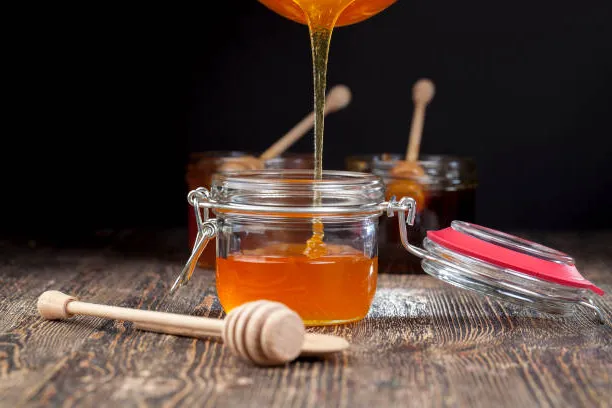
To objectively assess the sugar substitutes pros and cons, you need to understand that they all fall into two broad categories: natural and artificial (synthetic). It doesn’t mean that natural ones are automatically healthy, while artificial ones are deadly, as some online sources like to scare people with. The difference lies in their origin and how the body processes them.
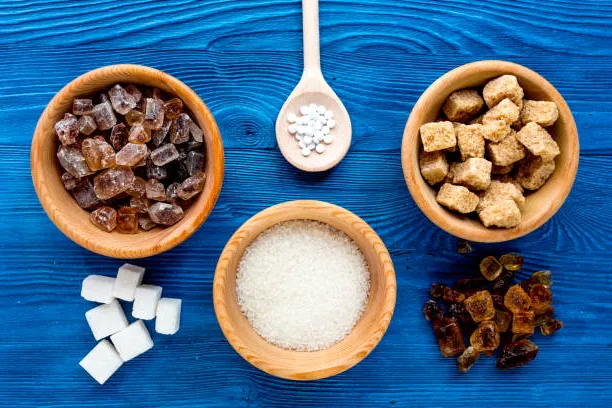
Natural sweeteners are extracted from plants. In most cases, the body partially absorbs them, and they have a low glycemic index. These include: Artificial sweeteners are created in a laboratory. They have zero calories because our bodies lack the enzymes to break them down. The most popular ones are: I didn’t start with the classification by accident. By understanding which type your sweetener belongs to, you can already anticipate the consequences you’ll face. Let’s move on to the most interesting part—a detailed analysis of all the pros and cons.
- Stevia (from the leaves of the stevia plant)
- Erythritol (a naturally occurring sugar, but for industrial-scale production, it is extracted from corn)
- Xylitol (derived from corn cobs or wood)
- Agave syrup and coconut sugar (although these are closer to sugar, they are often considered “healthy” alternatives)
- Aspartame (one of the most studied, often found in soda)
- Sucralose (Splenda)
- Saccharin
- Cyclamate
The Pros of Sugar Substitutes: Why We Love Them
When people decide to cut out sugar, they look first and foremost at the benefits. And it must be admitted, sugar substitutes pros and cons look extremely tempting. I myself have taken advantage of these benefits more than once when “cutting” before the summer season or simply wanting to reduce my overall calorie intake without agonizing over deprivation.
1. Weight control and calorie count
This is the main selling point. One gram of sugar contains 4 calories. It seems like a small amount, but a cup of tea with three teaspoons of sugar three times a day adds up to a full-fledged snack in terms of calories. Sugar substitutes trick our taste buds: we get the sweetness we’re used to, but consume zero calories.
Imagine you’re trying to keep a ball underwater. Calories are the force pushing the ball up (weight gain). Sweeteners remove that force. For many people, this becomes a psychological loophole that helps them stick to their diet. When I create meal plans for clients with obesity, I often recommend a temporary switch to sweeteners to reduce sugar cravings without stress, gradually.
2. Safe for Teeth
Dentists around the world give a standing ovation for xylitol and erythritol. While sugar serves as a breeding ground for bacteria in the mouth that destroy enamel, most sweeteners do the opposite. Xylitol, for example, isn’t just neutral—it inhibits the growth of streptococci that cause cavities.
I stopped buying regular lollipops for my kids and switched to xylitol lollipops. The difference is huge: their teeth are cleaner, and visits to the dentist have become less frequent. This is one of the most underrated benefits of sugar substitutes, which is especially noticeable if you have naturally weak enamel.
3. No insulin spikes
For people with type 2 diabetes or insulin resistance, sugar is poison. It causes a sharp spike in insulin, which, over time, exhausts the pancreas. Most sweeteners (especially stevia, erythritol, and sucralose) have a glycemic index of zero.
That means that blood glucose levels remain stable. You don’t experience that “sugar roller coaster”: first euphoria and a surge of energy, then an hour later—a crash and ravenous hunger. Maintaining stable blood sugar levels also helps regulate your mood. Have you noticed how irritable we get when we haven’t eaten in a while? Sweeteners help avoid these fluctuations.
4. Variety of Flavors and Heat Stability
Some types of sweeteners perform even better in the kitchen than regular sugar. Erythritol crystallizes perfectly and is suitable for baking, although it leaves a slight minty chill in the mouth. Sucralose withstands high temperatures, so you can safely add it to hot pies and sauces.
It expands your culinary horizons. If, like me, you love to cook, you’ll appreciate the ability to create desserts that don’t require a dozen spoonfuls of sugar, yet remain delicious and figure-friendly.
The downsides of sugar substitutes: the flip side of sweetness
Now that we’ve tasted the barrel of honey, let’s address that fly in the ointment. The downsides of sugar substitutes are often glossed over in advertising, but they are precisely what cause so much controversy in the medical community. I’ve reviewed dozens of studies and clinical cases to paint an objective picture.
1. Impact on the gut microbiome
This is the most concerning aspect. Our gut is home to trillions of bacteria that regulate our immune system, mood, and even weight. Recent studies show that some artificial sweeteners, especially sucralose and saccharin, can alter the composition of this microbiota.
Imagine your gut as a blooming garden. Beneficial bacteria are the flowers, and harmful ones are the weeds. Sweeteners act like broad-spectrum herbicides: they kill both, but the weeds often recover faster. This imbalance (dysbiosis) can lead to bloating, irritable bowel syndrome, and even a weakened immune system. This is a serious drawback that makes you wonder if it’s worth the trouble.
2. The “Tricked Brain” Effect
Our body is an amazingly intelligent system that is hard to fool. When something sweet touches the tongue, the brain sends a signal to the pancreas: “Get the insulin ready—carbohydrates are on their way!” The pancreas releases insulin, but… no carbohydrates arrive.
It’s as if you hired a construction crew, paid for their trip, but the building materials never arrived. Repetitive exposure to this situation disrupts neuroendocrine regulation. In the long term, this can lead to impaired glucose tolerance. Moreover, animal studies show that artificial sweeteners can increase cravings for sweets because the brain, having not received the expected calories, begins to demand them repeatedly.
3. Digestive Discomfort
If you’ve ever eaten too many foods containing erythritol or xylitol, you know what I’m talking about. These are sugar alcohols. Our bodies cannot fully digest them. When they reach the large intestine, bacteria begin actively fermenting them.
The result: bloating, gas, and, in high doses, diarrhea with a laxative effect. I remember my own experience when I decided to bake a “diet” cake, doubling the erythritol dose. The evening was ruined. Manufacturers often don’t highlight this in bold, but it’s a very common drawback of sugar substitutes, especially if you have a sensitive stomach.
4. Long-term safety concerns
Although sweeteners like aspartame are deemed safe by the FDA and WHO, the controversy surrounding them has persisted for decades. The main problem is that most studies lasted 2–3 years, whereas we consume these substances for years on end. Some epidemiological studies link regular consumption of artificial sweeteners to an increased risk of metabolic syndrome and even certain types of cancer (though a direct causal link has not been proven).
Personally, I am concerned not so much about toxicity (which is low) as about the long-term metabolic consequences. We do not know how 20 years of daily sucralose consumption will affect a person aged 60+.
5. Changes in Taste Preferences
This isn’t a physiological drawback, but a behavioral one. When you constantly drink coffee with a super-sweet sweetener, your taste buds get used to the intense flavor. Natural foods—fruits, vegetables, grains—start to seem bland and tasteless.
I caught myself doing this: after a month of using stevia, it seemed to me that regular strawberries had lost their flavor. I had to do a “sugar detox” to restore my sensitivity. If you use sweeteners to reduce your overall sugar intake, it works. But if you switch the source of sweetness without changing the amount, you remain trapped in your addiction.
Comparative Analysis: Natural vs. Artificial
To better understand the sugar substitutes pros and cons, let’s do a quick comparison of the most popular types using real-life examples. I often hear the question: “Stevia is natural, so it must be safe, right?” It’s not that simple.
Stevia
It’s considered a favorite among healthy lifestyle bloggers. It’s 200–300 times sweeter than sugar, so only a tiny amount is needed.
Pros: zero calories, doesn’t affect blood sugar levels, doesn’t cause cavities, and is plant-based.
Cons: distinctive grassy aftertaste (not everyone likes it), may lower blood pressure (which is dangerous for people with low blood pressure), may affect fertility at high doses (according to some animal studies).
Erythritol
It’s currently a bestseller for home baking.
Pros: similar in texture to sugar, does not cause tooth decay, and has virtually zero calories.
Cons: the notorious cooling sensation in the mouth, severe bloating when consumed in excess (usually over 50 grams at a time), and recent studies have linked high blood levels of erythritol to an increased risk of thrombosis (though it’s important to clarify here: this refers to endogenous erythritol, which the body produces itself, rather than the kind we consume, but research is ongoing).
Aspartame
A market veteran found in Coke Zero.
Pros: great taste, leaves no aftertaste, thoroughly studied.
Cons: breaks down when heated (not suitable for baking), contraindicated for people with phenylketonuria (a rare genetic disorder), causes controversy regarding its effect on the nervous system (headaches).
Sucralose
The all-purpose soldier: withstands both heat and cold.
Pros: stability, taste as close to sugar as possible.
Cons: has the strongest effect on gut microbiota; studies show it may reduce insulin sensitivity in healthy people.
How to minimize risks: my practical approach
If, after reading all the sugar substitutes pros and cons, you’re feeling confused, I understand. On one hand—weight control and dental health; on the other—gut health and metabolism. What should you do?
I’ve developed a few rules for myself and my loved ones that allow us to use sweeteners for good, not harm. I’m sharing them with you.
1. The Principle of Rotation and Moderation
The golden rule of toxicology states: “Everything is poison, everything is medicine; it’s all about the dose.” I don’t use the same sweetener every day. I have stevia and erythritol in my kitchen, and sometimes I treat myself to regular cane sugar.
I alternate between them to reduce the strain on specific body systems. If I drink coffee with stevia today, tomorrow I’ll drink it black or with a drop of honey. It prevents my microbiome from adapting to any single substance and helps maintain balance.
2. Read labels like a detective
Manufacturers often mix several types of sweeteners in a single product. A “0% fat” yogurt might contain aspartame, acesulfame K, and sugar all at once. I always recommend checking the ingredients list.
If you see 3–4 types of sweeteners in a single product, that’s a reason to think twice. It’s better to buy plain Greek yogurt and add berries, or, if you really crave something sweet, add a drop of stevia at home. That way, you control the amount.
3. Consider the cooking method
When I bake something for my kids or family, I never use artificial sweeteners. When heated above 180°C, some of them can break down. For hot desserts, I choose erythritol (though I’m mindful of the amount) or use fruit purees (banana, apple), which provide sweetness from natural fructose.
4. Listen to your body
This is the most important advice. Our body is the best detector. If your stomach starts rumbling or you get a headache after drinking coffee with sucralose, don’t ignore it. Sugar substitutes pros and cons vary from person to person.
What works for my athlete friend, who eats 50 grams of erythritol during a workout, might not work for you if you lead a sedentary lifestyle. Try going “sugar-free” for a week without any sweeteners, and then reintroduce them one at a time, keeping track of how you feel.
Expert Opinions and Scientific Data
I couldn’t help but turn to professionals’ opinions to ensure our discussion on sugar substitutes pros and cons was backed by facts. Dietitians and gastroenterologists often disagree, but there are points of agreement.
Nutritionist Frank Hugh, commenting on a major 2022 study in The BMJ, noted that randomized controlled trials (the gold standard of science) show modest benefits of sweeteners for weight loss. Still, observational studies often link them to long-term weight gain and cardiovascular risks.
Why is that? Because when people switch to “diet” products, they often allow themselves to eat more of other unhealthy foods, subconsciously justifying it by the calories they’ve saved. This is called the “license effect.” You drink a sugar-free cola and think, “Great, I can treat myself to a slice of cake.”
Many European gastroenterologists now agree that the best strategy is not to replace sugar with sweeteners, but to lower the general sweetness threshold gradually. That is, to train your brain to enjoy the natural flavors of foods rather than overly sweet flavors.
Conclusion: Is There an Ideal Choice?
So, we’ve come a long way. We’ve examined the pros and cons of sugar substitutes, from their impact on the gut to their effect on our teeth. What conclusion have I reached for myself?
There is no such thing as the perfect sweetener. Sugar is a fast carb and an empty calorie, but to our bodies, it’s a familiar, understandable substance. Sweeteners are a technological workaround that solves some problems but creates others.
Sugar substitutes are an excellent tool, but not a panacea. They are indispensable for people with diabetes, for those in the intense phase of cutting, and for people who can’t give up sugar in their coffee because of the psychological comfort it provides. But if you want to eat healthier, I recommend using them as a bridge.
First, replace white sugar with stevia or erythritol in baked goods. Gradually reduce the amount of even these sweeteners. Add more sweet vegetables (carrots, beets) and fruits to your diet. Your goal isn’t to find a safe chemical sweetener, but to retrain your taste buds to enjoy natural flavors.
Remember: the body values variety and moderation. If you use sweeteners mindfully—without exceeding the recommended amounts and without relying solely on them—they can be a helpful tool on your journey to a healthy lifestyle.
What are your thoughts on sugar substitutes? Have you experienced any negative reactions, or, on the contrary, have they helped you lose weight? Share your experience—I’m very interested in hearing your opinion. After all, healthy eating isn’t about strict restrictions, but about making conscious choices that work for you.
Want this article to read in pdf later?
Enter your Email Address to get this article in pdf format