
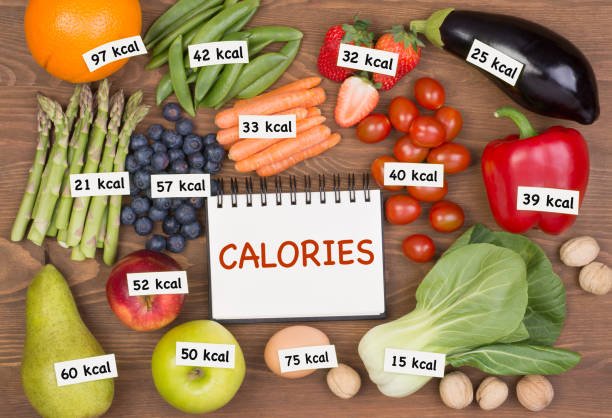
Discover the ultimate low calorie high volume foods list to stay full longer, reduce hunger, and support healthy weight loss. Learn the best protein-rich foods, fiber-packed vegetables, fruits, legumes, and meal strategies for maximum satiety with fewer calories.
Have you ever found yourself thinking that “diet” is synonymous with “hunger”? I’ve been there myself. You’re sitting with a plate holding a single lettuce leaf and a piece of chicken, and your stomach is growling so loudly that your neighbors are knocking on the heating pipes. If this situation sounds familiar, you’ve come to the right place.
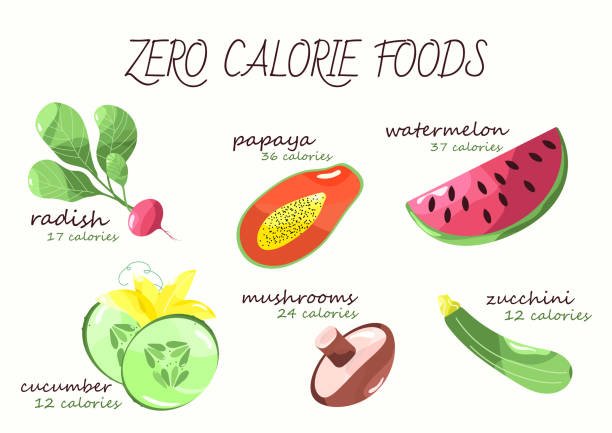
Today, I want to break down a low calorie high volume foods list that will change your perspective on healthy eating. We won’t be talking about chewing on celery and suffering. On the contrary, we’ll talk about how to eat until you’re stuffed, feel a surge of energy, and still create a calorie deficit to lose weight or stay in shape.
Why is this important? Because feeling full isn’t about the size of your stomach. It’s about chemistry. Some foods, like a clever heating system, release warmth slowly over time. Others burn out like a flash in the pan, and an hour later, you’re hungry again. My goal is to ensure your diet consists of “long-playing records.”
Let’s figure out how these foods work and how to build a menu around them so you can forget about feeling hungry.
Table of Contents
Science is on your side: why do some foods fill you up while others don’t?
Before we get to the actual low calorie high volume foods list, let’s be scientists for a minute. Don’t worry, I won’t bombard you with complicated terms. Three main factors determine how long we’ll feel full: food volume, protein content, and fiber content.
Imagine your stomach is a shopping cart. It doesn’t care how many calories you put in it—it just wants to feel full. Foods high in water and fiber take up a lot of space but provide few calories. That’s our strategy.
Plus, protein is the king of satiety. When you eat protein, your body releases hormones (PYY and GLP-1) that literally send a signal to your brain: “Stop, we’re full!” Fiber, on the other hand, works like a sponge. It absorbs water, swells up, and creates a physical sensation of fullness.
So, armed with this knowledge, let’s head to the store. Here is my personal, tried-and-true low calorie high volume foods list, divided into categories for your convenience.
1. Protein Powerhouses: The Foundation of Fullness.
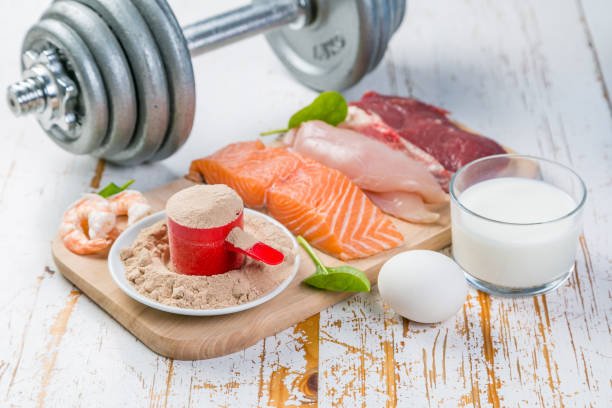
If you want to stay full for hours, you need to start with protein. It’s the foundation. But not all protein is equally beneficial when it comes to low-calorie options.
Skinless chicken breast.
It’s a classic for a reason. 100 grams of chicken breast contains about 110–120 calories and a full 23 grams of pure protein. It’s the gold standard for that ratio. I often compare a chicken breast to a good brick in building a house. One piece eaten is a sturdy wall that will last until dinnertime. The key is not to turn it into a dry, tough piece of meat. Learn to marinate it in yogurt or lemon juice, bake it with spices, and it will become your best friend.
Cottage cheese (fat-free or 2%)
Take a look at cottage cheese. It’s a real protein powerhouse. One package (200 grams) contains about 30–35 grams of protein and only 160–200 calories, depending on the fat content. The casein it contains is digested slowly. It’s the perfect option for a snack or, as athletes say, “before bed.” It fuels your muscles and keeps hunger at bay for 4–5 hours.
White fish (cod, haddock, pollock, tilapia)
Fish is a champion when it comes to volume. You can eat a huge portion of cod fillet, get 40 grams of protein, and consume only 200–250 calories. White fish is like water in the desert: there’s plenty of it, it’s clean, and it’s essential for life. Personally, I love baking cod with cherry tomatoes and lemon. It makes for a huge plate of food that leaves you feeling light but not the slightest bit hungry.
Egg whites
Eggs are nature packed into a shell. But if you want to minimize calories while maximizing volume and protein, go for egg whites. With 4–5 egg whites, you can make a fluffy omelet that fills half a plate, gives you the building blocks for muscle, and costs only 80–100 calories. Add spinach and tomatoes—and you’ll have a breakfast fit for a king on a diet.
2. Vegetables High in Water and Fiber
It’s impossible to imagine a complete low calorie high volume foods list without vegetables. They are our allies in creating volume. I call them “plate fillers.” They provide the very volume that satisfies the stomach.
Broccoli and cauliflower
These cruciferous vegetables are true superstars. A cup of broccoli (about 100 grams) has just 35 calories, but also 3 grams of protein and a huge amount of fiber. Broccoli acts like a scrubber for your intestines and a balloon for your stomach. Try steaming cauliflower and then sautéing it in a pan with garlic. It tastes like a hearty meal, even though it’s practically calorie-free.
Spinach and Leafy Greens
Spinach is the chameleon of the kitchen. You take a huge bag of fresh spinach—it fills half a pot. You sauté it for 2 minutes, and it shrinks down to a small handful. But the trick is to use it fresh. Add 2–3 handfuls to every meal. Spinach is rich in iron and has practically no calories (about 23 kcal per 100 g). It creates a base on which you can build more calorie-dense components without fear of overeating.
Cucumbers and celery
If you love a crunchy snack, these foods are your savior. A cucumber is practically structured water. Celery is the famous “negative-calorie” food (though this is a myth; chewing it does require energy). They’re perfect for snacks when you want to munch on something while watching a movie. Cut them into sticks—it’ll keep your hands and mouth busy, and you’ll consume fewer calories than you burn chewing.
Squash and Zucchini
This is my favorite trick for tricking hunger. You can make “spaghetti” out of squash (using a vegetable peeler or spiralizer). A whole plate of this spaghetti with tomato sauce and turkey is just over a hundred calories and gives you the feeling that you’ve eaten a normal serving of pasta. Zucchini is 95% water. It’s the perfect vehicle for flavors.
3. Berries and fruits: sweetness without the guilt
One of the main reasons for diet slip-ups is a craving for sweets. Our brains love glucose. But instead of cake, we can turn to nature’s gifts, which provide sweetness, antioxidants, and a huge volume.
Berries (strawberries, raspberries, blueberries, blackberries)
If I were to compile a low calorie high volume foods list for those with a sweet tooth, berries would be at the top. You can eat a whole bowl of strawberries (300 grams) and get only about 90–100 calories. Raspberries and blackberries are fiber champions. They contain so many seeds and dietary fiber that they literally fill up your stomach. I often make a “bowl” with 200 grams of low-fat cottage cheese and 150 grams of berries. It looks like a restaurant dessert, weighs half a kilo, but has as many calories as a small cupcake.
Watermelon
Watermelon is the summer king of satiety. Yes, it contains sugar, but because of its high water content (about 92%), you can’t eat enough of it to reach a critical calorie count. 500 grams of watermelon (a decent slice) is only 150–170 calories. It’s a great way to quench your thirst and satisfy your hunger at the same time on a hot day.
Apples and Pears
These fruits are rich in pectin—a soluble fiber that slows down digestion. Studies show that people who eat an apple 15 minutes before a meal consume an average of 200 fewer calories during their main meal. An apple is a natural appetite suppressant. It gives the signals of fullness time to reach the brain. The key is to eat them with the skin on; that’s where the lion’s share of the fiber is found.
4. Legumes: affordable, filling, and healthy
Legumes are often overlooked because of their carbohydrates, but that’s a huge mistake. Lentils, chickpeas, and beans are unique foods where protein meets fiber.
Lentils (especially red and green)
100 grams of cooked lentils contain about 110 calories, 8 grams of protein, and 8 grams of fiber. They make the perfect side dish. Green lentils take longer to digest, providing a lasting feeling of fullness. I love making red lentil puree soup. It’s a thick, hearty soup that feels like a rich cream soup, but without the cream or oil. One bowl of this soup guarantees you won’t think about food for the next 4 hours.
Chickpeas
Chickpeas are a versatile staple. You can add them to salads, make hummus with them (without a lot of tahini and oil), or roast them in the oven with spices for a crunchy snack. The fiber in chickpeas acts as a prebiotic, feeding beneficial gut bacteria. And healthy gut flora, in turn, helps regulate appetite.
5. Liquids: soups and water
We often confuse hunger with thirst. The brain receives signals about fluid deficiency and interprets them as a desire to eat a sandwich. But besides water, there’s one secret agent—soup.
Vegetable Broth-Based Soups
A study conducted at Pennsylvania State University showed that people who started their meal with broth-based soup ended up consuming 20% fewer calories during the entire meal. Soup is the perfect combination of liquid and solid food that stretches the stomach walls as much as possible, creating a feeling of fullness. low calorie high volume foods list would be incomplete without pumpkin soup, tomato gazpacho, or plain chicken soup with plenty of vegetables and minimal noodles.
Practical strategy: how to build a satisfying plate
Now that we have a detailed low calorie high volume foods list, let’s learn how to combine them. Simply knowing the list isn’t enough; you need to understand the architecture of the plate.
I use a simple rule—the “Plate Method”. Imagine your regular plate. Mentally divide it in half. Why does this work? Because you consciously limit the most calorie-dense components (fats and simple carbohydrates), while still giving your body everything it needs: protein for your muscles, fiber for digestion, and volume to soothe your stomach.
- First half (the largest): fill it with non-starchy vegetables (broccoli, spinach, cucumbers, lettuce, zucchini). This is the bulk of the meal. This is your foundation for feeling full.
- Second half: divide it into two more parts.
- One quarter of the plate: a protein-rich food (chicken, fish, tofu, cottage cheese).
- One quarter of the plate: complex carbohydrates or legumes (lentils, quinoa, beans, sometimes sweet potatoes).
Debunking myths: fats and hunger
You may have noticed that there aren’t many fatty foods on my low calorie high volume foods list. Fats are, of course, healthy and necessary (omega-3, olive oil), but they have a sneaky trait. They’re very high in calories. 1 gram of fat equals 9 calories, compared to 4 calories in protein and carbohydrates.
Many people think, “I’ll eat an avocado and feel full.” Yes, you’ll be full, but if you’re on a diet, a 200-gram avocado is nearly 300–350 calories. Meanwhile, 200 grams of chicken breast plus 200 grams of broccoli is about 300 calories plus a huge volume of food. That’s why I recommend using fats as a “dressing”: a teaspoon of olive oil on a salad, rather than frying in oil. It will help you stay within your calorie limit without feeling deprived.
Expert Opinion: Why It’s Important Not Just to Eat, but to Feel
I consulted with a nutritionist with whom I often discuss this topic. She offered a great analogy: “Food isn’t fuel for a car; it’s a message for your hormones.” When you eat from thislow calorie high volume foods list, you’re sending your body the right messages.
For example, when you have a croissant for breakfast, you’re sending the signal: “Quick energy, insulin, let’s go fast, then crash.” You consume 400 calories, but an hour later, you’re ravenous. When you have an egg white omelet with vegetables and a slice of whole-grain bread (or none at all) for breakfast, you’re sending the signal: “Calm, building materials, steady energy.” And with those same 400 calories, you’ll feel satisfied for half the day.
Sample daily menu using our list
To make it easier for you, I’ve put together a sample meal plan using our low calorie high volume foods list. This isn’t a strict diet, but an illustration of how you can combine foods for maximum satiety.
Breakfast (7:30 a.m.):
An omelet made with 3 egg whites and 1 whole egg.
A handful of spinach, sautéed with cherry tomatoes.
200 grams of 2% fat cottage cheese with a handful of raspberries.
Total: about 400 kcal. Protein: ~40 g. A huge portion.
Snack (11:00):
An apple or celery sticks with light hummus (2 tbsp).
Total: ~100 kcal. Fiber provides a feeling of fullness.
Lunch (2:00 p.m.):
A bowl of red lentil soup (vegetable broth, lentils, carrots, onions).
Baked cod fillet (200 g) with zucchini pasta (spaghetti made from zucchini) in tomato sauce.
Total: ~450 kcal. Protein: ~45 g. You’ll eat until you feel like taking a nap—not because you’re heavy, but because you’re so satisfied.
Afternoon snack (5:00 p.m.):
A protein shake made with water or a handful of almonds (10 pieces), but if you really want to eat a lot, a plate of sliced cucumber with lemon juice and salt.
*Total: ~100–150 kcal.*
Dinner (8:00 p.m.):
Salad: a huge bowl of arugula, lettuce leaves, chicken breast (150 g), cucumber, tomatoes, dressed with lemon juice and 1 tsp olive oil.
Total: ~350 kcal.
Total calories: about 1400-1500 kcal.
Overall feeling: you ate 5 times, never felt hungry, and in terms of portion size, it’s comparable to what you’d eat at a fast-food restaurant, but with a radically different composition.
Practical life hacks to stay full.
The theory part is over; let’s move on to the dirty little tricks I use myself to make sure thelow calorie high volume foods list works 100%.
1. Drink water before meals
Drink a glass of water 20 minutes before eating. That won’t “dilute” your stomach acid (myth), but it will give you a head start by taking up 100–150 ml of space in your stomach. It’s scientifically proven that this helps you eat less.
2. Eat slowly
I know, you’ve heard this a million times. But let’s break down the mechanics. The signal of fullness travels from your stomach to your brain 15–20 minutes after you’ve eaten your fill. If you wolf down your lunch in 5 minutes, you’ll overeat. Put your fork down on the table between bites. Take a sip of water. Make the experience last. When you’re eating hearty portions from our list, this is especially enjoyable—you get to savor every bite.
3. Use spices
Hot peppers (capsaicin) and ginger not only boost your metabolism but also curb your appetite. Add garlic, chili peppers, cinnamon (to cottage cheese), and turmeric. Spices transform bland diet food into restaurant-quality fare.
4. Sleep is the best cure for hunger
This is no joke. If you sleep less than 7 hours, your body increases production of ghrelin—the hunger hormone. You’ll crave food even if you’ve eaten a hearty meal. Sleep and proper nutrition are two sides of the same coin.
Conclusion: Your path to freedom from hunger
I hope this detailed low calorie high volume foods list becomes more than just an article for you to read—it’s a go-to guide. Take this list with you to the store. When you’re standing in the supermarket feeling lost, not knowing what to buy so you don’t slip up, open your notes on your phone. Chicken breast? Yes. Zucchini? Yes. Raspberries? Definitely.
Remember: losing weight or staying in shape shouldn’t be a struggle. It’s not a race for survival. It’s a choice to respect your body. You feed it high-quality building blocks, give it plenty of volume, water, and fiber, and it rewards you with energy, a good mood, and freedom from obsessive thoughts about food.
Start small. Replace one of your usual meals with a “satiety plate” prepared according to our guidelines. Feel the difference. Once you realize you can eat a huge, beautiful plate of food, feel satisfied, and still avoid excess calories, you’ll find a new lease on life.
Experiment with recipes and find your favorite combinations from this list. Maybe you’ll become a fan of roasted cauliflower or discover the delight of lentil patties. Your journey isn’t about restriction—it’s about exploration.
I wish you bon appétit and a sense of light fullness. Remember: hunger is not an enemy to be fought. It’s simply a signal that you now know how to interpret correctly and satisfy most effectively. Eat more to weigh less—it’s not magic, it’s science, and now it’s working for you.
Want this article to read in pdf later?
Enter your Email Address to get this article in pdf format