

Many people experience a heavy feeling in the stomach, bloating, and other symptoms of overeating after a large meal. These sensations are associated with increased strain on the digestive system and can be harmful to the body. To effectively deal with the consequences, it is important to consider the causes of emotional overeating, which often underlie uncontrolled food consumption. In this article, we will explore 8 ways to help your stomach digest food after overeating, as well as its causes, symptoms, and consequences.
Table of Contents
The main causes of emotional overeating and other factors
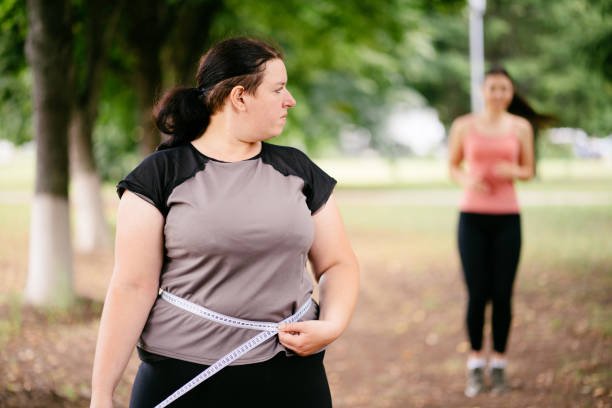
To understand how to help yourself when you overeat, you need to understand its cause and how it develops. Among the many factors, the causes of emotional overeating—linked to a person’s emotional state—play a significant role. A range of factors can trigger excessive food consumption: Understanding the cause allows you to choose the right approach to help yourself after overeating and prevent it from happening again. If the causes of emotional overeating drive these episodes, it is important to shift the focus to stress management and working on emotional habits. In other cases, adjusting your diet, meal schedule, and practicing mindful eating can help.
Dietary restrictions. Strict diets and long periods of fasting between meals lead to overeating. It takes the brain about 20–30 minutes to receive a signal from the stomach that it is full. That is why, after a prolonged period of fasting, a person eats more than necessary before feeling full.
Endocrine system disorders. Overeating can result from insufficient production of hormones responsible for eating behavior (leptin, ghrelin) and a slowed metabolism.
Psychological factors. This is one of the main causes of emotional overeating. During times of stress and anxiety, food becomes a source of instant pleasure and joy. Food can be a way to relieve emotional tension and is perceived as a reward for a hard day, an achievement, or an effort. Such a mindset can be ingrained from childhood, when a child was rewarded with something tasty. In adulthood, it leads to overeating. Understanding the causes of emotional overeating allows you not only to correct your behavior but also to avoid recurring episodes.
- Social factors. A festive table, generous hosts, and the family tradition of “finishing everything on your plate” create an atmosphere where saying no to food feels awkward. According to research, people tend to eat more when they are in the company of others than when they eat alone.
It is called the “social facilitation” of eating.
Alcohol consumption. Drinking alcoholic beverages stimulates the appetite and weakens self-control—people stop keeping track of how much they eat.
Distractions. Watching TV, using a phone, or reading a book while eating also reduces control over the amount eaten, which can lead to overeating.
If episodes of overeating occur regularly, you cannot identify the cause, or you cannot cope with it on your own, this is a reason to see a general practitioner. You may need help from specialists: a gastroenterologist, endocrinologist, psychiatrist, or psychologist.
Symptoms of overeating
A feeling of fullness and heaviness in the stomach that occurs after a large meal indicates gastrointestinal overload.
Other symptoms may also indicate overeating: Next, we’ll look at why these symptoms occur.
- bloating;
- belching air or food;
- nausea;
- heartburn;
- discomfort and pain in the epigastric region—the upper part of the abdomen.
Why do heaviness and discomfort occur after overeating
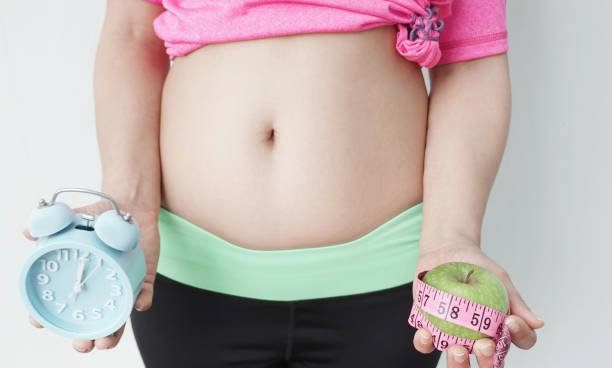
The unpleasant sensations that one feels after overeating can be explained by the overload of the digestive system. The heaviness or the pain in the abdominal area is caused by the large amount of high-calorie food taken in the body, which overloads the walls of the stomach. The food stays in the stomach for a longer time compared to the usual time taken in the digestive system.
Due to impaired gastrointestinal motility and relaxation of the lower esophageal sphincter, stomach contents are pushed back into the esophagus—this causes heartburn, belching, and an unpleasant taste in the mouth. And due to a lack of enzymes, a large amount of undigested food enters the intestines—triggering a fermentation process accompanied by increased gas production and bloating.
To help your stomach after overeating, you need to reduce the load on it—this will make it easier for your body to digest the excess food and normalize the digestive process.
8 Effective Ways to Help Your Stomach After Overeating
Most often, the symptoms described above subside or disappear completely within a few hours as the food is digested. But there are ways to help your stomach digest food faster after overeating and relieve discomfort.
Take a Walk in the Fresh Air
Moderate activity and staying upright improve metabolism. Take a leisurely walk for 10–15 minutes.
Studies have shown that gas retention is significantly lower in an upright position than in a horizontal one. A walk will help relieve bloating and the feeling of fullness after overeating.
Try some gentle stretching.
Another option for light activity that doesn’t require leaving the house. Gentle stretching can help relieve cramps, improve digestion, and enhance your overall sense of well-being. You can try simple twists or bends of the torso, or yoga poses like “Child’s Pose” or “Cat Pose.”
Drink warm water or tea.
Sip a glass of water or tea with ginger or chamomile. Warm liquids can help relax the muscles of the digestive tract, dilute stomach acid, and temporarily lower its acidity, thereby relieving heartburn.
Try deep breathing
If your overeating is caused by psychological factors, specifically nervous tension, then deep, slow breathing will signal your body to relax, help you cope with impulsive hunger, and relieve abdominal muscle spasms.
Take 6–7 slow breaths in and out per minute. The practice should last 3–5 minutes.
Perform a self-massage of your abdomen.
Lie on your back and massage your abdomen in a clockwise circular motion for 10–15 minutes, following the direction of food movement through the intestines. Light pressure stimulates peristalsis and can help relieve bloating.
Apply a warm heating pad.
Place a warm (not hot) heating pad on your upper abdomen. The heat will help relieve spasms and reduce discomfort. The main thing is to make sure the heating pad is at a comfortable temperature—37–40 °C.
Take medication
If you experience severe discomfort after overeating, you can relieve it with symptomatic remedies. For example, an antacid can relieve heartburn, while a spasm reliever containing drotaverine or trimebutine can relieve pain. And for severe bloating, a medication containing simethicone can help, as it breaks down gas bubbles in the intestines.
Give your digestive system a break.
Stop eating as soon as you feel heaviness in your stomach or other symptoms of overeating. Even if you haven’t finished your meal, stop eating. The sooner you stop, the less discomfort you’ll experience.
However, you shouldn’t go on a strict diet or starve yourself after overeating.
It will create new stress for your body.
To reduce the strain on your digestive system and help your body recover after overeating, eat small, frequent meals for a few days. Food should be low-fat and easy to digest: for example, fermented milk products, oatmeal, light soups, steamed vegetables, and fish.
What You Shouldn’t Do After Overeating.
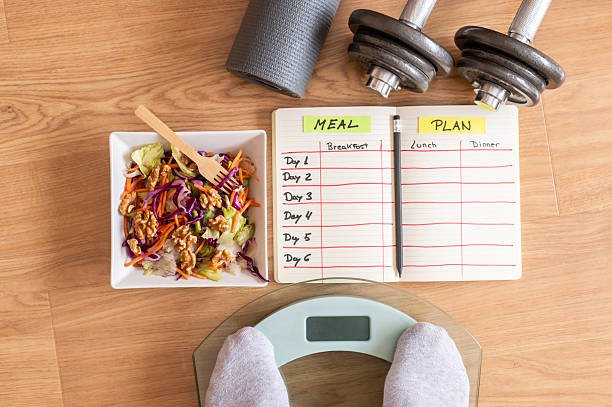
Help your body, not harm it:
- Don’t lie down immediately after eating. When lying down, stomach contents are more likely to flow back into the esophagus, causing heartburn and regurgitation of food.
- Do not drink carbonated beverages, coffee, or alcohol. Doing so will increase discomfort. Drink water and tea in small amounts and slowly, so as not to stretch the stomach further.
- Do not take NSAID pain relievers to relieve pain. They have a toxic effect on the stomach lining.
- Do not exercise immediately after eating. Light activity is beneficial, but running, strength training, or other intense exercises are not.
- Do not use aggressive methods to empty the gastrointestinal tract, such as inducing vomiting or taking laxatives.
How overeating affects the body
A single instance of overeating during a holiday does not pose a health risk to a healthy person. However, when it becomes a regular practice, it can lead to serious consequences for the entire body:
- Weight gain and obesity. With frequent overeating, the stomach stretches more and more—due to changes in capacity, motility, and hormonal mechanisms, a person’s sense of fullness slows down. They need more and more food to feel full—as a result, weight increases.
- Diseases of the digestive tract. Overeating can lead to the development of reflux (backflow of stomach contents into the esophagus), gastritis, peptic ulcer disease, pancreatitis, fatty liver disease, and gallstone disease.
- Diseases of other organs and systems. Regular overeating eventually hurts the functioning of the entire body. Excess cholesterol increases the risk of cardiovascular diseases; excess uric acid increases the risk of gout; and excess glucose increases the risk of diabetes.
When symptoms of overeating signal you to see a doctor
If abdominal heaviness, bloating, and other symptoms are caused by overeating, they are not acute and resolve on their own within a few hours. However, if the symptoms are severe or worsening, consult a doctor. Here are the signs that require immediate medical attention: If the heaviness and other dyspeptic symptoms are not severe but occur regularly and arise even after small meals, this is also a reason to see a gastroenterologist to identify the cause and receive treatment.
- Severe pain. If abdominal heaviness turns into sharp pain, this could be acute pancreatitis, cholecystitis, gallstone disease, or other serious conditions requiring urgent diagnosis and treatment.
- Vomiting, diarrhea, and fever. If abdominal discomfort is accompanied by fever, frequent loose stools, and vomiting, this may be a sign of food poisoning or an intestinal infection. Measures are needed to combat pathogens and prevent dehydration.
- Severe pain and absence of bowel movements. If bloating and abdominal distension have progressed to severe pain, with no bowel movements and no gas passing for more than a day, this may be a sign of intestinal obstruction. This condition requires immediate hospitalization and examination.
How to avoid overeating in the future
The best way to aid digestion after overeating is to prevent it from happening at all. Since the causes of emotional overeating are often linked to one’s emotional state, it’s important to focus on stress management and developing mindful eating habits. Here are a few tips on how to avoid overeating:
- Don’t let yourself get very hungry. Have light snacks between main meals and don’t sit down at the festive table on an empty stomach. Good options include fruit or berries, a handful of nuts, 2–3 dried fruits, or whole-grain bread with cream cheese.
- Stick to a balanced diet.
Take breaks during the feast. Since the feeling of fullness doesn’t come right away, eat slowly and take periodic breaks. Pausing and distracting yourself with other activities will help you realize that you’ve already had enough.
- We recommend following the “healthy plate” principle, which involves dividing your plate into three parts: half the plate for vegetables and fruits, a quarter for protein, and another quarter for whole grains.
- Limit alcohol. Alcohol will help you avoid losing control over how much you eat.
- Manage stress. Dealing with the causes of emotional overeating involves finding alternative ways to relieve tension. Instead of “eating away” your emotions, try other relaxation methods: walks, hobbies, breathing exercises.
If this is Get more exercise. Physical activity stimulates the production of dopamine, serotonin, and endorphins—substances that boost mood and reduce food cravings.
Key Points
Discomfort after overeating can be relieved in various ways: light physical activity, warm drinks, self-massage, or symptomatic medications. However, the key to solving the problem is understanding its root cause. If episodes of overeating recur, it is important to analyze the causes of emotional overeating and learn to cope with emotional stress without turning to food. It is best to prevent this condition from occurring, as it negatively affects the entire body and can lead to serious health issues. If you are unable to manage it on your own, consult a doctor—this will help you avoid problems in the future.
Want this article to read in pdf later?
Enter your Email Address to get this article in pdf format