
How to get back on track after a cheat day? Yesterday was a perfect evening. Or, it was just a bad day. Good company, your favourite dish that you’ve been denying yourself for ages, or just pizza while you watch a sad TV show. But then you wake up this morning, walk over to the mirror… and feel like a balloon filled with water. The scale treacherously shows a weight gain, your favorite jeans refuse to button, and the same thought keeps spinning in your head: “I slipped up. I ruined everything.”
Stop. Take a breath.
First of all, you’re not alone. Posts like “How to get back in shape after a day of overeating” rack up millions of views for a reason—absolutely everyone who has ever tried to watch what they eat goes through this. Second, it’s not the end of the world. Those extra 1–2 kilograms on the scale are 90% water and food remains, not fat.
The main problem of the “day after” isn’t so much the physical heaviness in your stomach as it is the heaviness in your heart. That sense of guilt pushes us to extremes: starvation diets, grueling workouts, or, conversely, the urge to eat away the stress with another slice of cake.
We won’t be lecturing you in this article. We’ll put together a step-by-step, scientifically grounded, and psychologically gentle plan for you. We’ll talk to you as equals, like a coach with a client, and break down how to get back in shape after a day of overeating quickly, but without breakdowns or self-loathing.
Table of Contents
Why do we slip up?
(And why it’s normal)
Before you grab the jump rope, let’s switch to psychologist mode for a second. A slip-up isn’t a failure. It’s a signal.
Most often, we overeat not because we’re weak or lacking willpower. The reasons often run deeper. Imagine a rubber band. If you constantly stretch it (go on a strict diet, restrict yourself), sooner or later, it will snap. That’s how the mind works, too. Strict restrictions and diets are the main cause of “binge eating.”
Besides, food is the fastest and most accessible source of dopamine. Feeling down? Pizza. Bored? Cookies. Stressed? A chocolate bar is the answer. We use food to “numb” our emotions, and there’s nothing shameful about that—as long as it doesn’t become the only way to cope with life. Social pressure also plays a role: “Finish your plate, or you won’t grow,” “A slice of cake for the birthday person,” and before you know it, you’ve eaten too much to avoid upsetting your grandmother or a coworker.
The main point you need to remember: You are not your slip-up.
It’s just one episode, one day in the long span of your life. It doesn’t negate all your past achievements.
First Aid: What to Do Immediately After Overeating
So, you’ve gotten up from the table and feel like you’ve overindulged. Your stomach is tight as a drum, and it’s hard to breathe. What do we do?
The first and most important rule is don’t lie down. When lying down, stomach acid can flow back into the esophagus, causing heartburn. Your best friend right now is a light walk.
Step 1. Walk (15 minutes)
Go outside. A slow, calm walk while standing works wonders. Studies show that this helps reduce gas buildup and stimulates peristalsis, helping food move through the intestines. If you can’t go outside, try the “child’s pose” from yoga or some light stretching to relieve the cramps.
Step 2. Warm water, not pills
Drink a glass of warm water with lemon or ginger in small sips. Warm liquid relaxes the muscles of the gastrointestinal tract and helps kickstart the digestive process. However, taking enzyme supplements without a doctor’s prescription immediately after a feast is not a great idea. Doctors warn: if you constantly “help” your stomach with pills, it may simply “get lazy” and stop producing its own enzymes.
Step 3. Self-massage
Lie on your back and gently stroke your stomach in a clockwise direction for 5–10 minutes. This gentle stimulation promotes intestinal motility, helping it handle a large volume of food.
What NOT to do:
- Avoid drinking soda and coffee. They will increase bloating and irritation.
- Do not induce vomiting (unless instructed by a doctor). This is an aggressive method that damages the esophagus and disrupts electrolyte balance.
- Do not take pain relievers from the NSAID group (ibuprofen, diclofenac)—they are toxic to the stomach lining, which is already irritated.
The Morning After: How Not to Turn a Cheat Day Into a Punishment
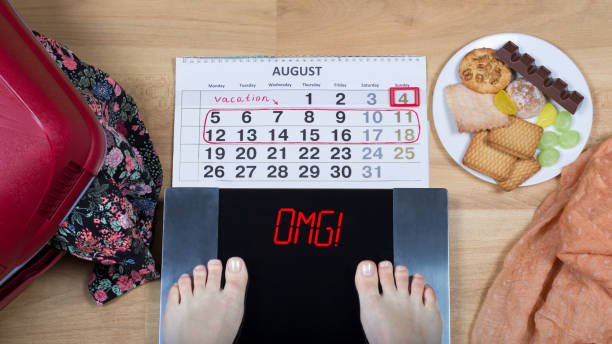
Morning. You’re on the weight scale. The numbers shock you. Sound familiar? Let’s agree on one thing right away: put the scale away for the next 3–4 days. Experts are unanimous: weighing yourself after a cheat day is pure masochism. All you’ll get are tears over water retention, which will go away on its own in a couple of days.
Now for the main point: how to get back on track after a cheat day without starving yourself?
Your brain screams: “Punish yourself! Go on a hunger strike! Drink only water!” But that’s the biggest mistake. Starving yourself is just more stress. Your body will panic, switch to energy-saving mode, and when you return to normal eating, it will start storing every calorie even more diligently. Besides, restrictions will inevitably lead to another breakdown in a couple of days.
We don’t need a day of fasting, but a day of gentle detox.
Here is a sample “recovery day” menu from leading nutritionists: Key principle: no feeling of hunger. As soon as you start getting ravenous and thinking about food, eat a cucumber or drink some water. We’re not torturing ourselves; we’re letting the system reboot.
Morning (7:00–9:00): Wake up — a glass of warm water. It kickstarts the digestive system. Breakfast: an omelet made with 1–2 eggs and herbs, or light cottage cheese. Protein will keep you full without feeling heavy.
Snack (11:00): A green apple or a handful of berries. Fiber helps the intestines.
Lunch (1:00–2:00 PM): Light vegetable soup (pureed pumpkin or broccoli soup) or a piece of steamed fish with a large salad of cucumbers, herbs, and lemon. Forget about fatty and fried meats.
Afternoon snack (4:00–5:00 PM): A glass of kefir or plain yogurt without additives. Fermented milk products improve digestion.
Dinner (7:00 PM): Vegetables, stewed or baked. Zucchini, bell peppers, and tomatoes. You can add a little quinoa or buckwheat.
Water intake: why it’s more important than food
After a day of overeating, your body is like a sponge soaked in salt water. Why? Because holiday food (sauces, pickles, sausages) contains tons of salt.
Salt retains fluid. This leads to swelling and those very “extra” pounds.
Your goal is not to stop drinking (that’s dangerous), but to help your body flush out this water.
How much to drink: Your usual amount + 1 glass. On average, try to drink 1.5–2 liters of plain water throughout your recovery day.
What to drink: Water, herbal teas (chamomile, mint), ginger tea. Ginger has a mild anti-inflammatory effect and helps boost metabolism.
What to avoid: Sweet drinks, packaged juices, and alcohol are strictly prohibited.
They provide empty calories and exacerbate dehydration.
Movement is lifeblood: let’s incorporate physical activity.
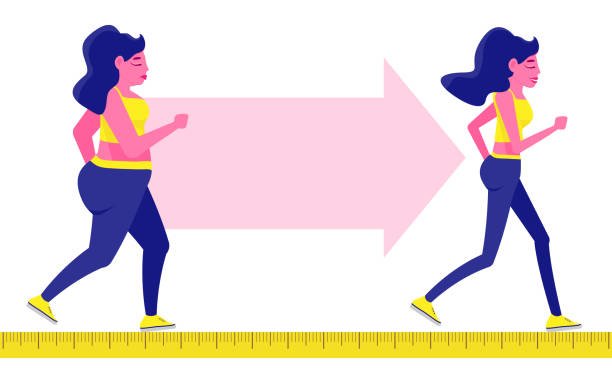
Now let’s talk about exercise. Your inner perfectionist demands: “Run to the gym and work off every bite you’ve eaten!” Don’t listen to it.
In the first 2–3 days after overeating, your goal isn’t to burn calories, but to stimulate lymphatic flow and reduce swelling.
Day 1–2: Light activity only
- Walking: 30–40 minutes at a brisk pace outdoors.
- Yoga and stretching: Gentle twists will help massage your internal organs. The “Cat Pose” and “Child’s Pose” are ideal.
- Low-intensity cardio: If possible, go for a swim in the pool.
Day Three or Four: Building Strength
Once the heaviness is gone and lightness has returned, you can gradually return to your usual workouts. But start at 70% of your usual intensity. Don’t try to break any records; just let your muscles do some work.
One blogger and fitness enthusiast put it perfectly: when your body is moving, it’s easier to stick to your diet. Working out makes every carrot you eat more valuable. You start to understand why you need protein and why it’s worth stopping at half a slice of cake.
The psychological aspect: how to make peace with yourself
We’ve come to the hardest part—your mind. Physically, you’ll recover in 2–3 days. But that guilt can linger for weeks. Psychologists call this the “opportunity cost syndrome” or the “tyranny of perfectionism.”
We often think in terms of “all or nothing.” Either I eat perfectly, or I’m a failure. That’s a trap. Life isn’t black and white; it’s a million shades of gray.
How to stop blaming yourself?
- Stop overreacting. You didn’t eat anything out of the ordinary. You just had a delicious meal. That’s not a crime.
- Separate the action from your identity. You aren’t a “fat, weak-willed slob.” You’re a person who ate an extra slice of pizza yesterday. Those are two different things.
- Be your own friend. What would you say to your best friend if she came to you with this problem? You’d hug her, make her some tea, and tell her everything will be okay. So why are you so hard on yourself?
Try keeping an emotion journal. As soon as your hand reaches for the fridge out of stress, write down: What am I feeling? Why? It will help you track your triggers and, over time, replace food with another source of joy—a walk, a bath, an interesting movie.
A 3-Day Step-by-Step Recovery Plan
Let’s compile all the information into a simple cheat sheet. It is your ready-made answer to the question “how to get back in shape after a day of overeating” without panic or rushing.
| Time | Meals | Water | Exercise | Focus |
|---|---|---|---|---|
| Day 1 | Light soups, vegetables, and kefir. Avoid meat, sweets, and starchy foods. | Warm water with lemon in the morning. 1.5–2 liters throughout the day. | 30-minute walk. Stretching at home. | Detoxification. Relieves swelling and heaviness. |
| Day 2 | Add protein (fish, eggs, cottage cheese). Vegetables make up 50% of the diet. | Herbal teas. We’ll keep drinking our usual amount. | Walking + light cardio (cycling, elliptical trainer). Sauna/steam room (if there are no contraindications). | Vitality. Boosts lymphatic circulation and boosts energy. |
| Day 3 | A nutritious, balanced diet. Complex carbohydrates (buckwheat, brown rice) for lunch. | Managing thirst. Drink according to how you feel. | Return to your usual workout (70% intensity). | Return. Let’s fix the result. |
Conclusion: Life is beautiful, even with the occasional slip-up
One day of overeating doesn’t make or break you. Just as a single workout won’t turn you into Superman. Our body isn’t a camera that captures a single snapshot. It’s a movie that lasts a lifetime. And one bad take doesn’t ruin the whole film.
Take a philosophical approach to slip-ups. It’s not the collapse of your diet, but simply a statistical error. It’s a signal that you might have needed a break, or that you were restricting yourself too much.
So, if you overate today, don’t beat yourself up. Tomorrow, take a step back so you can move forward calmly. Drink a glass of water, eat a light salad, take a walk in the park, and tell yourself: “I’m okay. I’ve got this. And I still love myself, even with a little bloating.”
Want this article to read in pdf later?
Enter your Email Address to get this article in pdf format