

You did the hard part; the scale went down. Then something confusing happens. The plan that worked so well suddenly feels shaky. Hunger ramps up, workouts feel tougher, and cravings get louder, even if you’re still “doing everything right.”
That’s the shift point where adapting your diet after initial weight loss matters most. Weight loss often runs on a calorie deficit. Maintenance needs a different skill: eating enough, on purpose, while keeping routines simple.
This guide will show you how to raise calories safely, keep protein high, and build a rhythm you can stick with—no extremes, no panic resets, just a steady plan that fits real life.
Table of Contents
Why your old weight loss plan stops working after the scale drops.
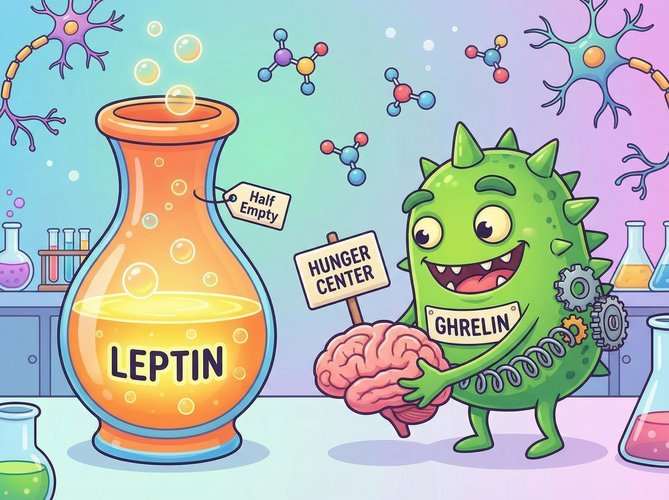
When you weigh less, your body usually burns fewer calories. That’s not a flaw, it’s basic math. A smaller body needs less energy to run your heart, brain, and muscles. You also burn less during daily movement because you’re moving less mass around.
So if you keep eating as you did at the start, you can drift into under-eating. And under-eating rarely feels calm. It often shows up as low energy, stubborn hunger, shorter patience, and workouts that feel heavy.
Here are common signs your weight loss diet may be too strict for this phase:
- Constant hunger, even after “healthy” meals
- Low energy and brain fog, especially in the afternoon
- More challenging workouts and slower recovery
- Irritability and feeling fixated on food
- Stronger cravings, often at night
- Stalled progress, where you’re stuck and miserable
A slower rate of loss, or a stall, isn’t a failure. It’s feedback. It’s your body saying, “We’re smaller now. Update the plan.”
The “new normal” calorie needs after weight loss.

After weight loss, maintenance calories are not a magic number you hit once and lock in forever. Think of them as a range. Your needs change with sleep, stress, steps, strength training, and even the season.
Daily weigh-ins can mess with your head because the scale can bounce from water, salt, carbs, soreness, and hormones. A more innovative way is to track trends.
Use a few “signals” to judge if your current intake fits your new body:
- Weekly average weight (not one random morning)
- Hunger level across the day
- Workout performance and recovery
- Sleep quality and morning energy
- Digestion and regularity
If most of those are getting worse, your body may be asking for more fuel, even if the scale is not moving.
Diet fatigue is real, and it can push you back into old habits.

Months of tracking, saying no, and eating smaller portions can wear anyone down. Diet fatigue is not about willpower. It’s what happens when restriction runs longer than your brain and routine can handle.
This is where people often swing between “perfect” weekdays and chaotic weekends. Or they white-knuckle a deficit until a vacation, then feel like they “blew it” and spiral.
Maintenance works better when flexibility is planned, not improvised. Treats, meals out, and holidays are not mistakes. They’re normal. The goal is to fit them in without turning them into a two-week slide.
How to increase calories without gaining weight back.
The scariest part of maintenance is eating more and watching the scale jump. That jump often happens. It’s also usually not fat gain.
When you raise carbs, your body stores more glycogen (stored carbs in muscle and liver). Glycogen pulls water with it. Add a salty restaurant meal, and water weight can climb for a few days. That’s normal and temporary.
Fat gain comes from consistently eating above your needs over time. The best way to avoid that is simple: make small changes, hold them steady, then re-check the trend.
Use a slow “maintenance ramp” instead of a sudden jump
A slow ramp helps you find your maintenance range with less stress.
A practical method:
- Add 50 to 150 calories per day.
- Hold that intake for 7 to 14 days.
- Reassess using your weekly average weight, hunger, and performance.
- Repeat if needed.
What does about 100 calories look like? Here are easy add-ons you can mix in:
- A small banana
- About 3/4 cup plain Greek yogurt (depends on brand)
- 1 tablespoon peanut butter
- 1 slice of bread
- A drizzle of olive oil on vegetables
If your weight trend rises for 2 to 3 weeks in a row, don’t panic. Tighten one dial. Either reduce by 50 to 100 calories, or add a bit of activity like a short walk after dinner. Minor fixes beat significant reactions.
Set protein, fiber, and meal timing first, then fill in the rest.
Maintenance gets easier when your meals are built on a few anchors. You don’t need heavy math. You need a repeatable structure.
Start here:
- Protein at each meal (and most snacks, if you snack)
- Half the plate from plants (vegetables, fruit, beans)
- Add a slow carb (potatoes, oats, rice, whole grains, beans)
- Add a healthy fat (olive oil, avocado, nuts, seeds)
This kind of plate supports fullness and helps protect muscle as you transition out of a deficit. It also steadies blood sugar, which can calm cravings.
Meal timing matters too. If you skip breakfast, then “accidentally” eat half the kitchen at night, that’s not a character flaw, it’s a pattern. Many people do better with consistent meal times, even if the meals are small.
Build a diet you can keep for years (not just weeks).

Maintenance is where food has to fit your schedule, budget, and patience. You can’t treat it like a 30-day challenge. You need something that holds up when work gets busy, when you travel, and when your motivation is low.
A useful mental shift is this: weight loss is often about change. Maintenance is often about repetition.
Keep your “everyday meals” boring, and your life meals flexible
Boring meals get a bad reputation, but they’re a secret weapon. If breakfast and lunch are easy, dinner and weekends stop feeling like a high-stakes event.
Pick a few default meals you genuinely like, then rotate them. Save decision-making for the moments that matter.
Simple go-to options:
- A protein bowl with rice or potatoes, vegetables, and a sauce you like
- Eggs and toast with fruit, plus yogurt on the side
- Chili with beans and lean meat (or tofu), topped with chopped onion
- Sheet-pan chicken and veggies, with olive oil and seasonings
When your basics are steady, you can enjoy a restaurant meal without feeling like you need to “make up for it” the next day.
Plan for weekends, travel, and restaurants without starting over Monday.
Real life doesn’t pause for maintenance calories. The goal is not to eat ideally. The goal is to recover fast and move on.
Use a light framework when you’re out:
Choose one main treat. Maybe it’s dessert, or fries, or two drinks. Pick the one you care about, then let the rest be normal food.
Prioritize protein and vegetables first. When those are on the plate, it’s easier to stop at satisfied instead of stuffed.
Watch liquid calories. Drinks can quietly turn a regular dinner into a significant surplus. If you want alcohol, keep it intentional, not automatic.
If you can’t track, use portion cues. A simple rule is palm-sized protein, a fist of carbs, and at least one fist of plants. It’s not perfect, but it keeps you in the lane.
Don’t let a small regain turn into a slide; use a simple guardrail system
Most people regain weight slowly, not overnight. A guardrail helps you catch it early without turning your life into a constant diet.
Pick a maintenance range, such as:
- 2 to 4 pounds, or
- 1 to 2 percent of your body weight
If you’re above your range for two straight weeks, run a short reset. Keep it boring and short, about 7 to 14 days. Tighten portions, add a few thousand steps per day, cut back on snacks, and limit alcohol. Then return to maintenance.
This is the opposite of punishment. It’s routine care, like getting your oil changed before the engine light comes on.
Adjust your diet as your activity and goals change.
Maintenance is not one number because your life is not one setting. A week of lifting, high steps, and solid sleep needs different food than a week of deadlines, low movement, and late nights.
Your job is to match your intake to your current output and goals. That’s it.
If you start lifting or training more, eat to support performance.
If you’re lifting weights, training for a race, or simply moving more, your body needs more fuel. Trying to “stay disciplined” by under-eating often backfires. You’ll feel flat in workouts, sore for days, and more likely to snack mindlessly later.
Keep protein steady and consider adding carbs around training. Many people do well with a carb source before or after workouts, like fruit, oats, rice, or potatoes.
Signs you may need more food during higher training volume:
- Poor recovery and persistent soreness
- Weaker workouts, lower reps, or slower times
- Trouble sleeping, or waking up hungry
- Feeling drained even on rest days
Eating a bit more to train well is not regaining. It’s using food for its job.
When stress and sleep are off, your appetite signals get louder.
Poor sleep changes hunger signals. You may feel hungrier the next day and crave quick energy foods. Stress can do the same, and it can also reduce the desire to cook, which pushes you toward snacks and takeout.
When life gets messy, go back to basics:
Set a steady bedtime when you can. Even 30 minutes earlier helps.
Eat protein at breakfast. It can reduce late-day cravings.
Plan one or two snacks on purpose, like yogurt and fruit, or a turkey wrap. A planned snack beats a snack spiral.
Limit alcohol during rough weeks. It can wreck sleep and make appetite harder to read.
Simpler meals count. A grocery store rotisserie chicken with microwave rice and bagged salad is still a solid dinner.
Conclusion.
After you lose weight, your body and brain need a new plan. Expect your calorie needs to change, raise intake slowly, and keep protein and fiber strong so you stay full and steady. Build routines that leave room for weekends and restaurants, and use guardrails instead of panic when the scale blips up.
Pick one change to try this week: add 100 calories a day, set a protein-at-every-meal goal, or define your maintenance range. If you have a history of eating disorders, medical conditions, or significant fatigue, talk with a clinician or registered dietitian before making big diet changes.
Want this article to read in pdf later?
Enter your Email Address to get this article in pdf format