

If you’re interested in intermittent fasting, you’ve probably wondered: when will my body switch to burning fat? When does the body start burning fat during fasting? It’s like waiting for the kettle to boil; it seems to take forever, especially when you’re just starting.
I’ve been there myself. I remember when I first tried 16-hour fasting and kept looking at the clock, wondering, “Is it working yet? Maybe it’s time to eat?” The answer turned out to be more complicated than I thought. Our body is not just a switch that toggles between “digestion” and “fat burning” modes. It is a complex, multi-level system that gradually switches between energy sources.
I will explain in detail what happens in your body from the moment you last ate until it really starts using your fat reserves. We will look at each stage, discuss the factors that speed up or slow down this process, and offer practical advice on making fasting effective and comfortable.
Table of Contents
So why is it important to understand these processes?
Before we dive into the details, let’s agree on one thing: understanding how your body works during fasting is not just an academic interest. It is a practical tool that helps you:
• Avoid disappointment (when it seems like nothing is working).
• Adapt the method to suit your needs.
• Recognize your body’s signals.
• Achieve your goals more effectively.
Imagine you are learning to drive a car. You can memorize where to press, but it is much more effective to understand how the engine, brake system, and transmission work. The same goes for fasting — understanding the processes gives you control and confidence.
Phase 1: Satiety and digestion (0–4 hours after eating).

Let’s start from the beginning. You just ate. What’s going on inside your body?
Energy From Fresh Food
In the first few hours after eating, your body is like a factory that has received fresh raw materials. It processes food, extracting glucose (sugar), which becomes the primary source of energy.
Insulin is a key player at this stage. This hormone acts as a courier: it “opens” cells so that glucose can enter them and be used to produce energy.
What Happens to Fat?
While insulin levels are high (and they rise after eating), access to fat reserves is blocked. Imagine that insulin is a strict warehouse keeper. It says: “We have fresh supplies, we won’t touch the old ones.”
Interesting fact: if you eat more than you need for your current energy expenditure, the excess glucose is converted into glycogen (short-term reserves in the liver and muscles) or, if glycogen reserves are full, it is converted into fat.
Practical Conclusion From This Phase:
- Frequent snacking keeps insulin levels high.
• Constantly high insulin levels = constant blockage of fat burning.
• Long breaks between meals enable insulin levels to drop.
Phase 2: Depletion of readily available energy (4–8 hours).
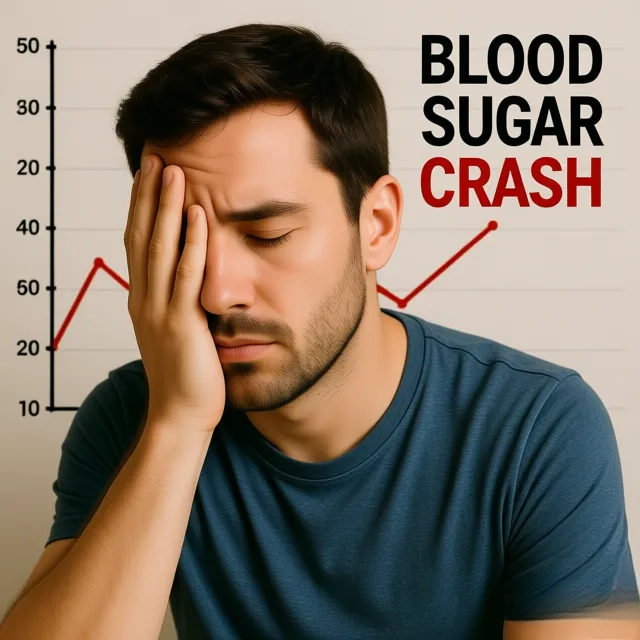
Blood glucose levels begin to drop 4–5 hours after eating. The body gets the message: “No fresh supplies coming in, time to dip into reserves.”
Switch To Glycogen.
Glycogen is stored glucose. It is stored in two main places:
1. In the liver (about 100–120 grams)
2. In the muscles (300–500 grams, depending on muscle mass)
Liver glycogen is a “shared” reserve that helps maintain stable blood sugar levels and provides the brain with nutrients. Muscle glycogen is a personal reserve of the muscles that is only used during physical activity.
At this stage, the liver begins to break down its glycogen and supply glucose to the blood. Insulin levels continue to fall, but fat burning has not yet started in earnest.
Why does it matter?
This phase is like a warm-up before the main workout. The body is preparing for the transition, but has not yet made it. If you interrupt your fast at this stage (for example, after 6 hours), you will not enter active fat-burning.
Personal experience: When I was starting, I thought 6 hours without food was already an achievement. But then I realized that this is when everything really begins.
Phase 3: Transition Period. (8–12 hours)
Now we come to the exciting part. Significant changes occur 8–12 hours after the last meal.
Mixed fuel.
Imagine that your car is starting to switch from gasoline to electricity. Initially, it uses both fuel types, gradually increasing the proportion of electricity.
The same thing happens here: the body still uses the remaining glycogen, but it also starts two alternative processes:
- Gluconeogenesis — the production of new glucose from non-carbohydrate sources (primarily from amino acids obtained from muscle tissue)
- Lipolysis — the beginning of fat breakdown
Why is this a critical phase?
Firstly, this is the most challenging period for many people. Glycogen energy reserves are low, and effective fat-burning mechanisms have not yet been activated. As a result, you may experience fatigue, irritability, and hunger.
Second, this is when the fundamental metabolic restructuring begins. Insulin levels drop significantly, and fat cells receive the signal: “It’s time to release reserves.”
How do you know you’re in this phase?
• Hunger may increase (but this is temporary)
• Mild fatigue may occur
• You may feel the urge to “break down.”
Expert advice: Dr. Jason Fung, author of books on fasting, notes: “This transition period is the most important. This is where metabolic flexibility occurs. The body learns to be efficient using different energy sources.”
Phase 4: Active fat burning. (12–72 hours)

Now, let’s talk about why we started this in the first place. After 12–24 hours (depending on individual characteristics), the body finally switches to burning fat.
Ketosis mechanism.
The brain cannot use fatty acids directly. It’s like trying to pour diesel fuel into a gasoline engine: it doesn’t work.
That’s why the liver performs a magical transformation: it converts fatty acids into ketone compounds, water-soluble molecules that perfectly nourish both the body and the brain. This state is called ketosis.
Signs that you are in ketosis:
- Clarity of mind — many people note that their thinking becomes clearer and the “fog” in their head disappears.
- Decreased appetite — when the body is nourished from inexhaustible reserves, the acute need for food disappears.
- Energy surge — after adaptation, stable energy appears without spikes
- Specific smell from the mouth — slight smell of acetone (one of the types of ketone bodies)
- Urine changes — ketone bodies may appear (can be checked with test strips)
Why is it effective for weight loss?
- The body uses its own reserves
- Insulin is at a minimum — fat burning is not blocked
- Ketones suppress appetite
- Muscle mass is preserved (with the right approach)
Factors Affecting Transition Speed.

Why do some people feel a surge of energy after just 14 hours of fasting, while others are still struggling with hunger after 18 hours? Let’s examine the main factors.
1. Your diet before fasting.
That is the most critical factor.
If you have been eating a lot of carbohydrates:
- Glycogen stores are at their maximum
- The body will need more time to use them up
- The transition to fat burning can take 16–20 hours
If you have been following a low-carb or keto diet:
- Glycogen stores are already depleted
- The body is “trained” to use fats
- The transition can take 8-12 hours
Practical advice: Reduce your carbohydrate intake and increase your healthy fat intake the day before a long fast to speed up the transition to fat burning.
2. Physical Activity.
Exercise is a powerful tool for managing metabolism.
Aerobic exercise (walking, running, swimming):
- Helps burn glycogen faster
- Accelerates the transition to fat burning
- Particularly effective when fasting
Strength training:
- Maintains muscle mass
- Increases basal metabolism
- Creates a metabolic response that continues after training
Personal experience: A light morning walk on the 14th hour of fasting works wonders. After 30-40 minutes of walking, the feeling of hunger disappears, and energy and clarity of thought appear.
3. Body Composition and Metabolism.
Muscle mass: Muscles are a metabolically active tissue. The more muscle you have, the higher your resting metabolic rate, the faster glycogen is used up, and the quicker fat burning occurs.
Age: Metabolism naturally slows down with age. But that’s not a death sentence! Regular exercise and maintaining muscle mass help preserve metabolic flexibility.
Gender: Studies show that women may switch to ketosis slightly slower than men. It is due to evolutionary mechanisms that protect reproductive function.
4. Hormonal Background.
Insulin resistance: If cells respond poorly to insulin, its levels may remain elevated for longer. High insulin = blocked fat burning. The good news is that fasting helps improve insulin sensitivity.
Cortisol: Stress hormone. High cortisol levels raise blood sugar levels, which can slow the transition to fat. Stress management and quality sleep are critical.
5. Sleep and Recovery.
Lack of sleep:
- Increases cortisol.
- Disrupts hormonal balance.
- Increases hunger and cravings for carbohydrates.
- Slows down metabolic processes.
Practical advice: Have 7–9 hours of quality sleep. If you practice prolonged fasting, it is essential to get a good night’s sleep.
How to speed up the transition to fat burning: practical strategies.
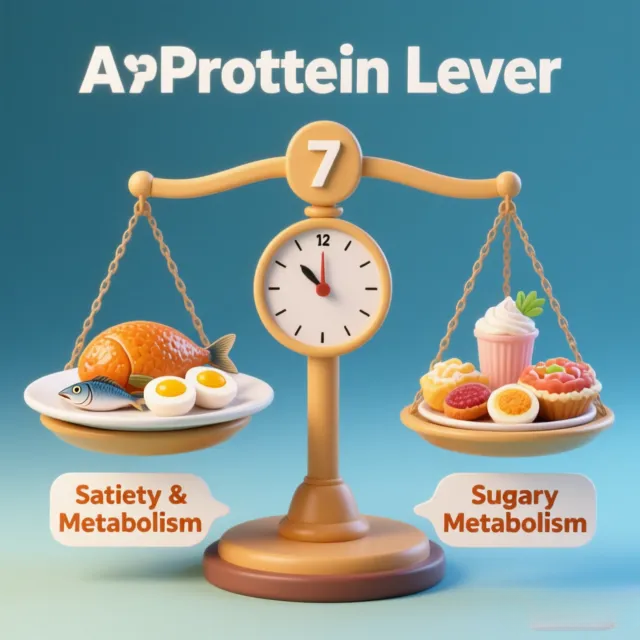
Now that we understand the theory, let’s move on to practice. How can you help your body switch to using fats more quickly and comfortably?
1. Start Slowly
Do not try to fast for 24 hours right away. Your body needs time to adapt.
Step-by-step plan for beginners:
- Week 1: 12 hours of fasting, 12 hours of eating
- Week 2: 14/10
- Week 3: 16/8 (the gold standard of intermittent fasting)
- Next, try 18/6, 20/4, or one-day fasts.
2. Optimize Your Nutrition During Your “Eating Window.”
What you eat when you are not fasting is just as important as fasting itself.
What to include:
- Protein: eggs, fish, meat, poultry, tofu
- Healthy fats: avocados, olive oil, nuts, seeds.
- Vegetables (especially green leafy vegetables)
- Moderate amounts of complex carbohydrates: grains, legumes, root vegetables.
What to limit:
- Simple sugars and sweets
- Processed foods
- Sugary drinks
3. Use Physical Activity Wisely.
Training while hungry:
- Light cardio (walking, cycling) accelerates the transition to fat burning.
- Strength training is best done at the end of fasting or after the first meal.
- Listen to your body; if you feel weak, reduce the intensity.
Real-life example: Maria, 34: “I started by doing 10 minutes of morning exercises on the 14th hour of fasting. After a month, I was already comfortably walking for 40 minutes. Now it’s my favorite ritual — I feel my body awakening and my mind clearing.”
4. Monitor Your Water and Electrolyte Balance.
During fasting, it is essential to drink enough water. But there is a caveat: water flushes out electrolytes.
Signs of electrolyte deficiency:
- Headache
- Fatigue
- Cramps
- Dizziness
What to do:
- Drink water with a pinch of salt (Himalayan or sea salt)
- Eat foods rich in potassium (avocado, spinach) and magnesium (nuts, seeds) during your eating window.
- Consider electrolyte supplements during prolonged fasting.
5. Manage Stress.
High stress levels = high cortisol = slower fat burning.
Simple techniques:
- Deep breathing (5 seconds inhale, 5 seconds hold, 5 seconds exhale)
- Short meditations (even 5 minutes a day is effective)
- Walking in nature
- Avoid multitasking
6. Monitor your sleep quality
To improve sleep:
- Avoid screens 1–2 hours before bedtime
- Create a ritual: warm shower, reading, meditation
- Keep your bedroom cool
- Use earplugs and a sleep mask if necessary
Common Mistakes and How to Avoid Them.

Over the years of practice and communication with other followers of fasting, I have noticed some typical mistakes. Let’s take a look at them so that you can avoid them.
Mistake 1: Too Fast Start.
Problem: Deciding that “the faster, the better,” people start with a 24-hour fasting period.
Consequences: Severe hunger, fatigue, irritability, breakdown.
Solution: Start gradually, as described above.
Mistake 2: Overeating During the Food Window.
Problem: Compensation: “I haven’t eaten for so many hours, now I can eat everything!
Consequences: Overloading the digestive system, gaining weight instead of losing it.
Solution: Eat consciously, listen to your hunger and satiety signals.
Mistake 3: Ignoring Your Body’s Signals.
Problem: Sticking to a schedule despite not feeling well.
Consequences: Exhaustion, health problems.
Solution: Fasting is a flexible practice. If you feel unwell, take a break. Tomorrow is a new day.
Mistake 4: Lack of Water and Electrolytes.
Problem: Drinking only water or, conversely, too much water lacking in electrolytes.
Consequences: Dehydration, headaches, cramps.
Solution: Maintain water balance, add salt to water during prolonged fasting.
Mistake 5: Expecting Immediate Results.
Problem: Disappointment when no visible changes occur after a week.
Consequences: People give up the method without giving it a chance.
Solution: Fasting is a long-term strategy. The first noticeable changes usually appear after 2–4 weeks of regular practice.
How can you tell if fasting is working for you?
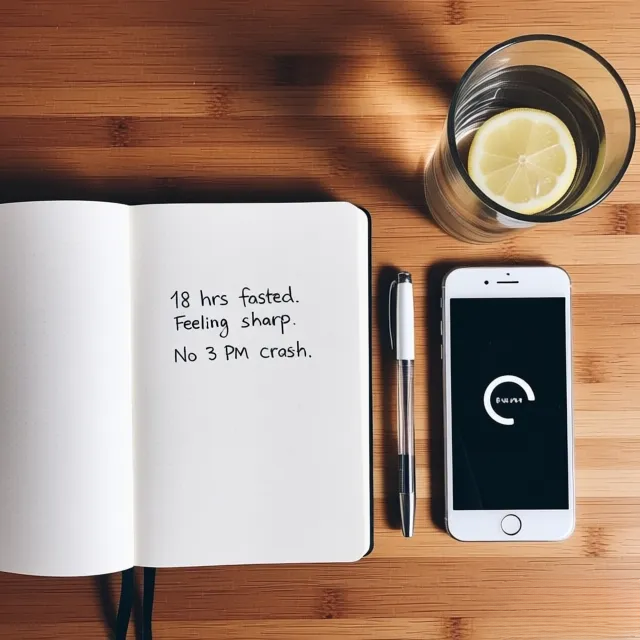
In addition to scales and measuring tapes, there are other equally essential indicators:
- Energy: Do you have more energy throughout the day? Is your energy stable, without afternoon slumps?
- Thinking: Are your thoughts clearer? Is it easier to concentrate?
- Appetite: Do you control your hunger, or does it control you?
- Sleep: Has the quality of your sleep improved?
- Digestion: Is there no heaviness after eating, and has your digestion improved?
- Mood: Is your emotional state now more stable?
If you answer “yes” to most of these questions, you are on the right track.
Scientific Evidence: What Do Studies Say?
Fasting is not just a fashion trend. It is backed by serious scientific research.
Research on Animals and Humans Shows:
- Improved insulin sensitivity (study in Obesity, 2018)
- Activation of cellular cleansing (autophagy) — 2016 Nobel Prize in Medicine
- Reduced inflammation (study in Cell Metabolism, 2019)
- Improved cognitive function (review in Nature Reviews Neuroscience, 2020)
Dr. Walter Longo, one of the leading researchers in the field of longevity, says, “Intermittent fasting gives your cells a chance to rest and recover. It’s not just calorie restriction — it’s a change in metabolic pathways.”
Special Cases and Contraindications.
Fasting is not suitable for everyone. In what cases should you be extra careful or avoid fasting altogether?
Contraindications:
- Pregnancy and breastfeeding
- Underweight (BMI less than 18.5)
- History of eating disorders
- Serious illnesses (type 1 diabetes, kidney failure, etc.) without medical supervision
- Children and adolescents
Require medical consultation:
- Type 2 diabetes (especially insulin-dependent)
- Hypotension or hypertension
- Gout
- Gallstone disease
Important: If you have chronic diseases, be sure to consult a doctor who is knowledgeable about this topic before starting fasting.
Long-term Perspective: How to Make Fasting Part of Your Life?

Fasting is not a month-long diet. It is a tool you can use throughout your life.
My recommendations for sustainable practice:
- Find your rhythm: Some people prefer a daily 16/8; others, 2–3 long fasts per week.
- Be flexible: If it doesn’t work out today, it’s okay. Start again tomorrow.
- Combine it with other healthy habits: Quality nutrition, exercise, sleep, and stress management.
- Track your progress: Notice not only changes in weight, but also in energy, thinking, and overall well-being.
- Find support: Like-minded people, books, research — all of this helps you stay motivated.
Conclusion: Listen To Your Body.
So, let’s get back to the main question: when does the body start burning fat during fasting?
The scientific answer: active fat burning begins between 12 and 24 hours after the last meal, when insulin levels drop significantly, and the body enters a state of ketosis.
But the more important answer is: it happens when your body is ready for it. It depends on your metabolism, dietary history, activity level, and stress levels.
Fasting is the art of listening to your body. It is a dialogue, not a monologue. You offer your body conditions (a break from food), and it responds by restructuring your metabolism, clearing your mind, and giving you energy.
Start small. Be attentive to your body’s signals. Don’t aim for records — aim for harmony. And remember: the best result is not just a number on the weight scale, but a feeling of health, energy, and control over your life. Fasting is a path to yourself. Every hour without food on this path is not a deprivation, but an opportunity.
It’s an opportunity to let your body rest, reboot, and heal. It’s an opportunity to get to know yourself better. It’s an opportunity to become stronger — both physically and mentally.
Give it a try. Listen to your body. And find your own rhythm — the one that will make you healthier, more energetic, and happier.
Want this article to read in pdf later?
Enter your Email Address to get this article in pdf format