

Does cortisol make you fat? You hear it everywhere: stress makes you gain belly fat. Some people even talk about a single “stress belly hormone” that ruins every diet overnight. That sounds scary, and it can also feel a bit hopeless.
The truth is more interesting and more helpful. Cortisol is a stress hormone, but it is also one of the tools your body uses to keep you alive. It helps you wake up, handle pressure, and fight infections.
So does cortisol make you fat by itself, or is the story more complex? In this post, you will get a clear, science based answer in plain language. You will also see what you can actually do about stress, so weight loss feels more realistic and less like a battle with your own body.
Table of Contents
What Cortisol Is And How It Affects Your Body.

Cortisol often gets treated like the villain in every weight loss story. In reality, it is a normal hormone that your body needs to function.
Cortisol is made in the adrenal glands, two small organs that sit on top of your kidneys. Your brain tells these glands when to release cortisol, especially during stress. Think of cortisol as a built in alarm system that helps your body handle threats.
Problems start when that alarm keeps ringing all day, every day. Short bursts of cortisol help you stay sharp and safe. Long term high levels can wear your body down and make weight gain more likely.
Cortisol 101: Your Built In Stress Alarm
When your brain senses danger, it starts the “fight or flight” response. Your adrenal glands release cortisol and adrenaline. Together, they raise your heart rate, blood pressure, and blood sugar, so you can react fast.
Cortisol:
- Tells your liver to release extra sugar into the blood
- Helps control blood pressure
- Affects immune function and inflammation
Cortisol also follows a daily rhythm, called the circadian rhythm. Levels are higher in the morning to help you wake up and get moving. They naturally drop through the day and are lowest at night so you can fall asleep.
So cortisol is not bad. It is a normal part of your body’s wiring. The trouble comes when stress never lets up and that stress alarm never really turns off.
How Cortisol Connects To Appetite, Belly Fat, And Sleep.
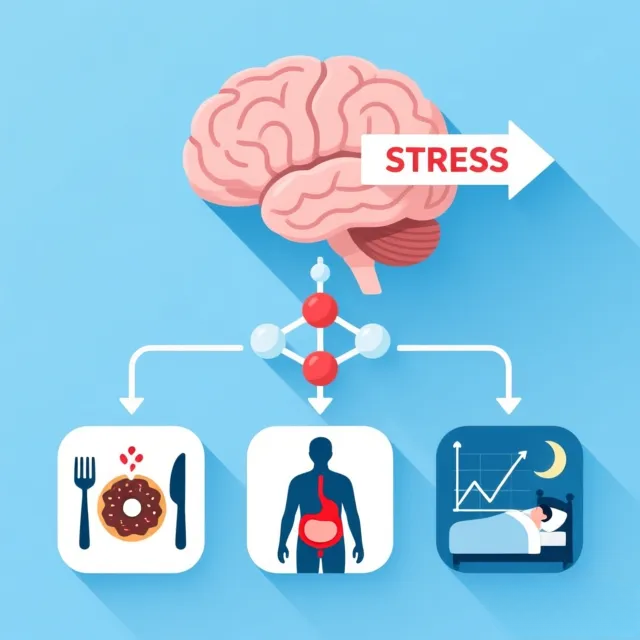
Chronic stress keeps cortisol slightly raised most of the time. That steady trickle can change how hungry you feel and where your body stores fat.
Higher cortisol over time can:
- Increase appetite, especially for high sugar and high fat foods
- Make you crave “comfort foods” when you feel stressed or tired
- Shift fat storage toward the belly area
Cortisol also affects sleep. High evening cortisol can make it hard to fall asleep or stay asleep. Poor sleep then raises cortisol again the next day. That loop can leave you worn out, hungrier, and more likely to snack.
So cortisol does not pour fat straight onto your stomach. It nudges your hunger, cravings, and sleep in ways that make weight control tougher.
Does Cortisol Make You Fat Or Do Your Habits Change Under Stress?
Here is the key point: cortisol does not add body fat like magic. It does not act like a switch that “turns on” obesity. Instead, it changes how your brain and body react to stress, which can shift your habits.
When cortisol is high, your body tries to protect you. It wants quick energy on board in case you need to run or fight. In modern life, you are usually not running from danger. You are sitting in traffic, working late, or caring for others. The extra energy often shows up as extra snacks, not extra sprints.
So weight gain under stress comes from a mix of:
- Hormone changes (like cortisol and insulin)
- Strong cravings and emotional eating
- Less movement and more time sitting
- Poor sleep, which pushes hunger up
The good news is that many of these pieces are in your control, even if your stress level is high.
How High Cortisol Can Lead To Weight Gain Over Time.

Here is a simple chain of events that often happens:
- You face long term stress at work or home.
- Your brain keeps your cortisol level a bit higher than normal.
- Cortisol tells your liver to release more sugar into your blood.
- Your pancreas releases more insulin to move that sugar into cells.
- High insulin plus steady stress encourages your body to store more fat, especially in the belly.
This process takes months or years. You might notice your waistband getting tighter, even if the scale moves slowly. The change is usually gradual, not overnight.
This combo of cortisol, insulin, and habits does not “break” your metabolism. It just makes the path to weight loss steeper unless you address the stress and the daily routines that come with it.
Hidden Stress Habits That Matter More Than The Hormone.

Hormones get a lot of attention. Habits do more of the damage.
Common stress driven habits include:
- Eating to soothe feelings, not hunger
- Late night snacking while scrolling or watching TV
- Grabbing fast food because cooking feels like too much
- Skipping workouts when you feel drained
- Sitting more to “recover” from a hard day
- Drinking more alcohol or sugary drinks to relax
- Staying up late, then dragging through the next day
These habits and cortisol work together. Stress nudges you toward easy comfort choices. Over time, those choices add up to extra pounds.
The hopeful part: changing even one or two of these habits can help, even if your stress is still there.
When Cortisol Is Truly Too High: Cushing Syndrome And Red Flags.
There is a rare condition where the body makes far too much cortisol. It is called Cushing syndrome.
People with Cushing syndrome often have:
- Rapid weight gain
- A round, puffy face
- A large belly with thin arms and legs
- Easy bruising and slow healing
- Muscle weakness
This condition is usually caused by a tumor or long term use of steroid medications. Most people with a “stress belly” do not have Cushing syndrome.
See a doctor if your weight gain is sudden and severe, or you notice several of these signs together. A simple set of tests can check your cortisol level.
How To Lower Stress And Cortisol Naturally So Weight Loss Feels Easier.

You cannot remove stress from life, but you can teach your body to feel safer. That calms cortisol and makes healthy choices feel less exhausting.
Focus on small, steady changes, not a perfect routine.
Daily Stress Management Habits That Calm Your Body.
You do not need a one hour meditation practice to help your stress. Short, simple habits work well when you do them often.
Try picking one or two of these:
- Slow breathing: Inhale for 4 seconds, exhale for 6 seconds, repeat for 2 minutes.
- Short walks: A 10 minute walk after work or lunch breaks tension.
- Stretching: A few light stretches before bed can calm your body.
- Screen breaks: Step away from your phone or computer every couple of hours.
- Journaling: Write down worries, then one small thing you can do about them.
- Talk time: Share your day with a friend or partner.
Think of these habits as tiny signals that tell your nervous system, “You are safe.”
Sleep, Food, And Movement Choices That Support Healthy Cortisol.

Basic lifestyle choices make a big difference for cortisol and weight.
Aim for:
- Sleep: 7 to 9 hours most nights, with a regular sleep and wake time. Keep your room dark, cool, and quiet.
- Food: Regular meals with protein, fiber, and healthy fats. Think eggs and toast, chicken and veggies, beans and rice. Try to avoid constant grazing, since that keeps insulin high.
- Movement: Walk most days, and add light strength work 2 to 3 times per week. Body-weight moves like squats or wall push-ups count.
Very low calorie diets and extreme workouts can raise stress in some people. If you feel drained, sore, and hungry all the time, your plan may be too hard. A calm, moderate plan fits better with a calmer cortisol pattern.
Conclusion.
Cortisol does not make you fat by itself, but long term high stress and raised cortisol can steer your body toward weight gain and a softer belly. The hormone shifts your hunger, cravings, sleep, and energy in ways that push you toward easy comfort habits.
You still have real power here. Small changes in stress, sleep, food, and movement can blunt cortisol’s impact and make weight loss feel more possible. You do not need a perfect lifestyle, just a kinder one.
Pick one simple step to try this week, such as a 10 minute walk, a regular bedtime, or fewer late night snacks. Your body is built to respond to care, not just to stress.
Want this article to read in pdf later?
Enter your Email Address to get this article in pdf format