
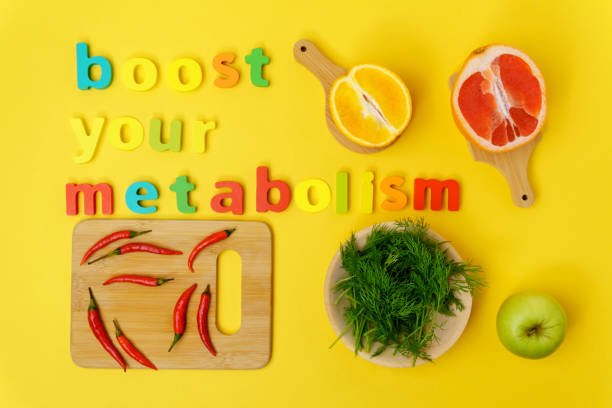
Discover foods that boost metabolism naturally—from spicy peppers and green tea to lentils and grapefruit. Learn how these science-backed ingredients increase thermogenesis, balance hormones, and help you burn more calories every day without supplements or extreme diets.
Have you ever felt like your body is running on “energy-saving mode,” even when you’re full of energy? I often hear this question from my friends and readers. We’re looking for a magic pill, but nature has already given us the answer. Let’s get straight to the point: foods that boost metabolism naturally, and they’re most likely already in your shopping cart or waiting for you at the nearest market.

Instead of starving yourself or drinking suspicious supplements, I suggest you head to the kitchen. Metabolism isn’t just about how fast we burn calories. It’s a complex biochemical factory. For it to run like clockwork, it needs the right fuel. In this article, we’ll break down not just a list, but specifically those natural foods that actually kickstart thermogenesis, balance hormones, and make the body burn energy more actively.
Ready to rev up your internal engine? Let’s go.
Table of Contents
What is “boosting your metabolism” really about?
Before we get to the list, let’s quickly clarify one thing. People often think that “boosting your metabolism” means finding food that will make fat melt away on its own. If it were that simple, we’d eat nothing else. In reality, foods that boost metabolism naturally act as catalysts. They don’t do all the work for you, but they create conditions that force your body to expend more energy on digestion, absorption, and maintaining vital functions.
Imagine your body is a campfire. To keep it burning brightly, you need good firewood (complex carbs and protein), oxygen (water and physical activity), and sometimes a little “kindling” (those very foods). If you throw wet branches (fast food or sugar) into the fire, the flames will start to die down. But if you add spices, citrus fruits, or high-quality protein, the fire will flare up with renewed vigor.
So, here is my carefully curated list of natural boosters for your metabolism.
1. Hot peppers: fire from within
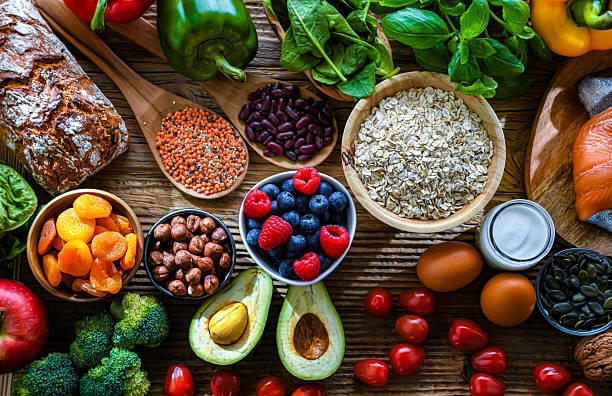
I’ll start with something many of you are familiar with. Hot peppers (chili, cayenne, jalapeño) contain the alkaloid capsaicin. This substance gives peppers their heat and is a powerful thermogenic stimulant. When you eat something spicy, your body thinks it’s heating up from the inside and starts sweating more and increasing your heart rate.
Studies show that capsaicin can temporarily increase your metabolic rate by 8–10%. That doesn’t mean you should wash down your dumplings with a kilogram of chili peppers, but adding a pinch of red pepper to scrambled eggs or stewed vegetables is an excellent habit. I often add chili peppers to my morning omelet. Not only does it perk me up better than coffee, but it also wakes up my body and gets it burning calories first thing in the morning.
2. Ginger: A Warm Digestive Aid
Next on our list is ginger. It’s often underrated, and for good reason. Ginger works on a principle similar to pepper, but more gently. The root contains gingerols—substances that improve blood circulation and stimulate digestion.
I like the analogy with a stove: if you have “cold” digestion (heaviness, bloating), ginger stokes the fire in your stomach. When your digestive system works efficiently, your metabolism speeds up because nutrients are absorbed faster and toxins aren’t retained. A simple tip: drink ginger water with lemon 20 minutes before a meal. It stimulates the secretion of gastric juices and prepares the body for food. It is one of the most accessible foods that boost metabolism naturally and have anti-inflammatory effects.
3. Green Tea: More Than Just a Drink
When you need a drink to keep the “fire” burning all day long, green tea will be your closest buddy. Green tea differs from coffee in that green tea has caffeine in combination with catechins (antioxidants), specifically ECGC.
Together, they produce two effects. Caffeine helps with increased energy levels, while catechins aid in utilizing fat as energy sources. According to studies, green tea extract has shown results in raising the amount of daily energy consumption by about 4–5%. However, my advice is to drink tea, not sugared beverages from bottles. Just three cups of green tea daily will do just fine.
4. Coffee: A Ritual with Benefits
I’ll admit, I love my morning coffee. And here’s some good news for coffee lovers: coffee really does speed up your metabolism. Caffeine stimulates the central nervous system, causing the heart to beat faster and releasing fatty acids from fat tissue into the bloodstream so they can be used as energy.
However, moderation and the product’s purity are key here. If you drink coffee with syrup, cream, and sugar, you negate all the positive effects. Black coffee or coffee with a small amount of plant-based milk, half an hour before your workout, is the perfect natural “pre-workout.” But remember: caffeine is dehydrating, and water is critical for metabolic rate.
5. Apple cider vinegar: sour but healthy
This product is gaining popularity for a reason. Apple cider vinegar helps regulate blood sugar levels. When your blood sugar spikes and crashes, your metabolism slows down to conserve energy. Acetic acid slows the absorption of carbohydrates in the intestines, preventing these spikes.
Here’s how I use it: one tablespoon in a glass of water 15 minutes before a high-carb meal. This not only aids digestion but also increases cellular insulin sensitivity. Better insulin sensitivity means the body prefers to burn energy rather than store it as fat. This is a classic example of how foods that boost metabolism naturally work through the hormonal system, not just through calories.
6. Fatty Fish: Omega-3s and Hormones
When we talk about metabolism, we often forget about hormonal balance. Fatty fish (salmon, mackerel, sardines) are rich in omega-3 fatty acids. These fats don’t get stored on your hips; they’re used to build cell membranes and synthesize hormones.
If you have low leptin levels (the hormone that regulates appetite) or thyroid issues (the main regulator of metabolism), no amount of chili peppers or teas will help. Omega-3s help reduce inflammation in the body, which is often the cause of a slowed metabolism.
Include fish in your diet at least twice a week. It will provide you with the building blocks for a “fast” metabolism.
7. Lentils and legumes: plant-based protein
Why am I highlighting lentils? They are one of the best sources of plant-based protein and fiber in one package. Metabolism has an interesting feature: it expends the most energy digesting protein. This is called the thermic effect of food (TEF). The body uses 20–30% of the calories from protein to digest it. For carbohydrates, this figure is 5–10%, and for fats, 0–3%.
There is also another benefit in consuming such foods, which is that they will keep you full for a longer period, and besides that, the process of digesting this protein takes a lot of effort by your body. Another important component that legumes contain is iron because it helps transport oxygen into the bloodstream, without which fats cannot be burned.
8. Broccoli and cruciferous vegetables: detox on guard
Broccoli, cauliflower, and Brussel sprouts contain glucoraphanin, which assists the liver in eliminating harmful substances. But how does this relate to weight loss? The liver is an essential metabolic organ. It becomes incapable of metabolizing fat when there are too many toxins, alcohol, and junk food in it.
I call cruciferous vegetables the “liver’s broom.” They’re high in fiber and low in calories, but their main value lies in optimizing the work of detoxifying enzymes. Add steamed broccoli to meat or fish. It’s a light, filling, and extremely healthy choice for maintaining a high metabolic rate.
9. Grapefruit: Vitamin C and Enzymes
Among fruits, I highlight grapefruit. It’s not just a citrus fruit with a pleasant bitterness. Grapefruit contains naringin—a flavonoid that encourages the liver to burn fat more actively rather than store it. Studies show that eating half a grapefruit before a meal promotes weight loss and improves insulin sensitivity.
In addition, vitamin C, which is abundant in all citrus fruits, helps the body absorb iron and plays a role in the synthesis of carnitine—a substance responsible for transporting fatty acids into the mitochondria (the energy powerhouses of cells). If you don’t have gastritis with high acidity, half a grapefruit in the morning or before lunch is a great way to kickstart your metabolism.
10. Greek Yogurt: Probiotics and Calcium
In the world of healthy eating, Greek yogurt plays a special role. First, it’s a concentrated source of protein (casein), which, as I mentioned earlier, requires a lot of energy to digest. Second, it contains probiotics.
The gut microbiome directly influences metabolism. If you have dysbiosis, you can eat the healthiest foods, but your body won’t absorb them properly. The bacteria in fermented dairy products help maintain a healthy gut flora. The calcium in yogurt also helps regulate fat metabolism: studies show that a calcium deficiency can lead to fat storage. Choose plain yogurt without additives, with a fat content of 2–5%. The fat in it isn’t harmful; in fact, it helps with vitamin absorption.
11. Eggs: The Perfect Breakfast
If someone asks me how to start the day to boost metabolism, I’d say: with eggs. They’re the gold standard among foods that boost metabolism naturally. Eggs contain a complete set of essential amino acids, B vitamins (B12, B6), which are necessary for energy metabolism, and vitamin D.
A morning breakfast of two or three eggs provides long-lasting satiety and triggers thermogenesis. Many people skip breakfast, mistakenly believing that this will help them lose weight. In reality, after an overnight fast, the body needs “starter” protein. If it doesn’t get it, metabolism remains in energy-saving mode until lunchtime. Eggs are the fastest and tastiest way to tell your body: “The day has begun; let’s get to work.”
12. Chia and Flax Seeds: Fiber and Omega-3s
These tiny seeds are true superfoods. Chia seeds and flax seeds are unique in that they contain a combination of soluble fiber, plant protein, and omega-3s (alpha-linolenic acid).
When you soak chia seeds, they turn into a gel. This gel slows the conversion of carbohydrates into sugar, helping maintain stable blood glucose levels. Stable blood sugar = stable insulin levels = active fat burning, not fat storage. Add a spoonful of seeds to your morning smoothie or yogurt. It will add texture and satiety and make your body work a little longer and harder to digest the food.
13. Coconut Oil: Special Fats
Among oils, coconut oil stands out. Unlike olive oil (which is also healthy), coconut oil contains medium-chain triglycerides (MCTs). These fats are unique in that they aren’t stored in fat deposits but are transported directly to the liver, where they’re converted into ketones—a quick source of energy.
Replacing regular vegetable oil with coconut oil when frying (over moderate heat) can slightly increase daily energy expenditure. Athletes often use MCT oils for a quick energy boost. Just one teaspoon a day is enough to support your body’s needs. However, as with any fat, moderation is key, since it is high in calories.
14. Spinach and leafy greens: magnesium and iron
I can’t skip spinach. It’s not just a side dish, but a powerful metabolic activator that works at the cellular level. Spinach is rich in magnesium and iron. Magnesium is involved in more than 300 enzymatic reactions, including the production of ATP (adenosine triphosphate)—our energy currency. Without magnesium, you may experience chronic fatigue, and no stimulants will help.
Iron is essential for delivering oxygen to your muscles. If your hemoglobin is low, your cells experience hypoxia (oxygen deprivation) and cannot burn fat effectively. Leafy greens should be on your plate every day. I try to base my lunch on a large portion of spinach or arugula—it adds volume, provides vitamins, and acts as the “wiring” for my metabolism.
15. Water: The Forgotten Catalyst
Water rounds out my list. Strictly speaking, it’s not food, but it’s a critically important element without which all the foods listed above are useless. Metabolism is a series of chemical reactions, and all chemical reactions in the body take place in an aqueous environment.
Even mild dehydration (by 2–3%) slows metabolism by 5–10%. I recommend drinking water with lemon or just plain water throughout the day. Studies show that drinking 500 ml of water increases metabolic rate by 20–30% for the following hour. Cold water forces the body to burn calories to warm it up, but the key here is consistency. Don’t wait until you’re thirsty; keep a bottle of water on your desk and drink in small sips.
How can you combine these foods for maximum effect?
Now that we have a list, let’s talk strategy. There’s no need to try to eat all of this in one sitting. Foods that boost metabolism naturally work best when you incorporate them into your routine.
Here’s my practical advice on how to use them throughout the day:
- Morning: A glass of water with lemon and ginger. Breakfast: Eggs with vegetables (spinach, bell peppers) and whole-grain bread. Or Greek yogurt with chia seeds and a handful of berries. Coffee or green tea—30 minutes after eating, so as not to interfere with iron absorption.
- Day: Before lunch—a glass of water with apple cider vinegar. For lunch, a serving of fatty fish or legumes (lentils) with a large serving of broccoli and a leafy green salad. Dessert— half a grapefruit.
- Snacks: If you feel like eating between meals, choose a protein or fat source: a hard-boiled egg, a handful of almonds, or sliced cucumber with avocado spread. Avoid simple carbohydrates, which cause insulin spikes and slow down your metabolism.
- Dinner: Light, but protein-rich. Fish or chicken with steamed vegetables dressed with coconut oil or lemon juice. Avoid heavy carbohydrates at night to avoid overloading the liver.
An important point: physical activity
I would be dishonest with you if I said that only foods that boost metabolism naturally can work miracles without exercise. Muscles are the most metabolically active tissues in our body. One kilogram of muscle burns three times more calories at rest than one kilogram of fat.
Combining proper nutrition with regular physical activity creates a synergistic effect. When you eat hot peppers and drink green tea, your body heats up. Use this state for a light walk or workout. If you add strength training (even using your own body weight) to your metabolism-boosting diet, you’ll start building a “furnace” that will work for you 24/7.
Common Myths
Before we wrap up, let’s debunk a couple of myths. There’s a misconception that foods that boost metabolism naturally can be eaten in unlimited quantities, and the weight will melt away. That’s not true. Boosting your metabolism doesn’t override the laws of thermodynamics. If you eat tons of grapefruit and wash it down with liters of coconut oil, you’ll gain weight because you’ll create a calorie surplus.
These foods are helpful tools. They help you feel more energetic, experience fewer sugar cravings, and utilize nutrients more efficiently. But the foundation of it all is a balanced diet, a calorie deficit (if your goal is weight loss), and quality sleep.
Yes, sleep is also part of metabolism. Chronic sleep deprivation raises cortisol and ghrelin (the hunger hormone) levels, which negates all efforts to boost your metabolism. Sleep 7–8 hours, and your body will thank you.
Conclusion
Adding such foods to your everyday diet is not about going on a temporary diet but following a lifestyle change. The body is a sophisticated machine that works according to how you treat it. Begin slowly by adding a little ginger to your tea in the morning, switching your desserts with grapefruit, or adding lentils or fish rich in fats into your lunch.
Remember that foods that boost metabolism naturally don’t work by magic, but through science: hormones, enzymes, thermogenesis, and nutrient absorption. Give your body time to adjust. You may notice within the first week that you have more energy and think about food less often. In a month, your digestion will run like clockwork. And in six months, you won’t even remember the heaviness and sluggishness that used to plague you.
This detailed guide has helped you understand how to boost your metabolism and make it more efficient using nature’s gifts. Eat delicious, varied, and smart meals.
Your body is the only place you live, so let’s feed it the best we can.
Now tell me: which of these foods do you already use, and which ones will you try adding to your diet today? Start with one change, and you’ll see results in no time.
Want this article to read in pdf later?
Enter your Email Address to get this article in pdf format