

Starvation has become popular among people seeking to lose weight and improve their health. However, a common issue among body functions during fasting is preserving muscle mass. Many people fear that dietary restrictions will inevitably lead to muscle loss, asking: does fasting make you lose muscle? Answering this topic is essential to understanding by examining how our bodies work in a caloric deficit.
Table of Contents
The Science of Muscle Catabolism During a Fast
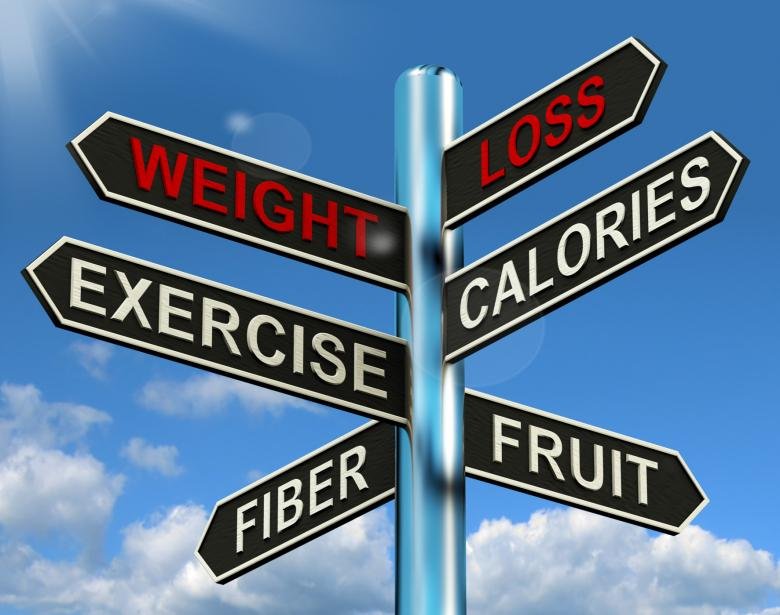
The body’s energy needs are met during fasting using glycogen and fat stores. However, if
starvation continues for too long or inadequate protein is not provided, the body uses muscle mass
as an energy source. This process is called catabolism.
Nevertheless, short-term fasting, especially if accompanied by intermittent exercise, can prevent
loss of muscle mass. Studies suggest that when fasting is planned appropriately, it can improve your
metabolism, reduce the body’s inflammation and increase muscle growth thanks to higher growth
hormone levels.
Key Strategies to Prevent Muscle Loss
It’s important to pay attention to a few things to prevent your muscles from wasting away during
fasting. When you start, focus on eating enough protein when you aren’t fasting. This will provide
the necessary building material to maintain muscle mass. You should also focus on high-intensity
workouts that support the muscles and create the required workload.
Some studies show that interval fasting may be safer because it involves alternating fasting and
eating periods, allowing the body to recover and retain muscle. There are many types of interval
fasting, and everyone can choose the proper regimen.
You should never forget that the body’s response to fasting can vary depending on individual factors
such as physical activity level, genetics, age, and overall health. Therefore, we recommend
consulting a doctor or a qualified nutritionist before beginning any dietary changes.
In conclusion, the right approach to fasting can minimize the risk of losing muscle mass if adequate
protein levels are provided and exercise is performed. This makes it possible to use fasting not only
for weight loss but also to improve overall health.
How Does Fasting Affect Muscle Mass?
Starvation has a significant effect on the body, especially on muscle mass. When we restrict
ourselves from eating, the body utilizes energy stores to sustain itself. These reserves include both
fat and carbohydrates, which are stored as glycogen. However, suppose starvation continues for an
extended period or insufficient protein is available. In that case, the body can break down muscle
tissue to obtain the energy it needs.
The process by which muscle is lost is called catabolism. It is activated under conditions of caloric
deficiency when the body does not have enough nutrients to perform its functions. Under conditions
of physiologic starvation, it is essential to remember that the hormonal background is also altered
without quality nutrition. For example, insulin levels drop, and cortisol levels may increase. This
can contribute to the breakdown of muscle tissue.
Even so, interval fasting is considered safe for muscle mass by many studies. You can help prevent
muscle loss by eating healthy and being physically active. You must have adequate protein every
day except your fasting days to prevent muscle loss.
If fasting is accompanied by exercise, especially strength training, the body can better adapt,
promoting muscle growth even in the face of a restricted diet. This is because physical activity
provides the necessary load on the muscles, which helps to keep them toned and increases the
production of growth-promoting hormones.
The unique features of a person’s body should be considered along with everything else. How quickly you lose muscle is affected by your age, the rate of your metabolism, and your overall
health. Because of this, it’s necessary to consider the pros and cons, listen to nutritionists, and be
mindful when fasting.
In summary, does fasting make you lose muscle? Fasting can affect muscle mass both positively and negatively. Short-term methods can improve muscle health under the right conditions. Understanding your body and following an adequate diet and exercise strategy is essential.
Myths and Facts About Muscle Loss During Fasting
Many myths exist about the process and how it affects muscle mass among fasting people. One of
the most common myths is that fasting immediately leads to muscle loss. Fasting’s effect on muscle
depends on many factors, including the duration of fasting, activity level, and diet type. A properly
organized fasting regimen can avoid harming your muscles and even help strengthen them.
Some studies show that the body first utilizes fat stores under moderate fasting conditions. The
body experiences this until it does not get nearly enough calories. On top of that, exercise that
involves using muscles, such as strength training, helps to preserve them. While some skip protein
when low on calories, making sure you eat enough helps maintain your muscle structure.
A popular belief is that not eating anything at all means you are not giving your body vital nutrients.
Short-term food restriction can lead to physiological changes that allow the body to utilize energy stores more efficiently. It can also increase levels of hormones responsible for muscle growth, such
as testosterone and growth hormone.
Why Can the Body Break Down Muscle?
The body begins to break down muscle when energy sources are lacking under fasting conditions. If
starvation continues for too long and glycogen stores are depleted, energy begins to be extracted
from amino acids in muscle tissue. This process can occur with inadequate protein intake or poor
exercise.
The hormone insulin decreases when food is not available, which contributes to the activation of
catabolic processes. Moreover, high levels of cortisol, produced in response to stress, can also
increase muscle breakdown. However, it is worth noting that short-term starvation, especially with
sufficient training and a proper diet, does not necessarily lead to loss of muscle mass.
Properly understanding these mechanisms will help you avoid misunderstandings about does fasting make you lose muscle and its effects on the body. It is important to approach the process wisely, carefully monitoring your well-being and diet.
How Different Types of Fasting Affect Muscle
Different types of fasting can affect muscle mass in various ways. When people practice fasting, it
is important to consider exactly how it affects their body and, in particular, their muscles. The key
factors here are the duration of the starvation, the level of physical activity, and the eating pattern
during the period that the person is eating. One popular method is interval fasting, which draws
particular attention.
Interval fasting involves cycles of food refusal and food consumption. For example, one popular
approach is the 16/8 pattern, in which a person does not eat for 16 hours a day and is allowed to eat
for the remaining 8 hours. Studies show that this approach can not only help with weight control but
also help preserve muscle mass. That’s because dehydrating the body for a short period does not
result in significant tissue loss, especially if we pay attention to the nutritional quality of the food,
particularly adequate protein, on the days when eating is available.
One of the main benefits of interval fasting is that it allows us to maintain our activity level. Many
people who practice interval fasting continue to exercise and maintain their fitness. It is important to
remember that the addition of exercise, especially strength training, helps to slow down the process
of catabolism, which is the destruction of muscle tissue.
Thus, a properly organized regimen of interval fasting can not only not damage your muscles but
also improve your overall health. However, it is important to pay attention to your body and
monitor changes in your health. Doing so helps you understand how your body reacts to new
conditions of nutrition and activity.
Recommendations for Safe Fasting to Protect Your Muscles
A smart way to fast involves more than diet control—it helps you keep your health and avoid losing
muscle. Certain points will help you get the most out of your fast without hurting your muscles.
Following these suggestions will help you remain healthy and fit.
Focus on good nutrition during the time you aren’t fasting each day. The main attention should be
paid to a sufficient amount of protein, which will serve as a building material for muscle tissue.
Studies show that this element is especially important for preserving muscle mass. In addition, it is
worth monitoring the quality of carbohydrates and fats in order to provide the body with all the
necessary nutrients.
The second aspect is physical activity. Regular exercise, especially strength training, helps you keep
your muscles toned. Even if you are following a fasting regimen, it is important to provide enough
intensity during your workouts so that your body does not start breaking down muscle mass as a
source of energy. Utilizing strategies such as performing weight-bearing exercises helps you slow
down the catabolism process.
The third thing to keep in mind is how long the fast will last. Fast for short periods usually results in
less loss of muscle than if you fast for a longer time. Thus, if fasting interests you, consider the ones
that keep your period of not eating short. Try interval fasting, as it may be safer than regular fasting.
Make sure you’re drinking enough water each day. When you drink plenty of water, your
metabolism can function properly. Lack of water can lower energy, slow you down and make your
muscles feel tired.
Proper fasting involves ensuring you are considerate about what you eat, your exercises and your
overall well-being. You can use intermittent fasting to help your health if you stick to these tips and
prevent losing muscle mass.
Conclusion: Is It Possible to Prevent Muscle Shrinking?
Many people worry that does fasting make you lose muscle might cause them to lose too much muscle. Still, the right methods can help prevent this from happening. The best way to avoid risks is to plan the meals you eat each day carefully. Eat a good amount of protein whenever you are eating on your diet. This matters for both muscle growth and keeping your health stable.
The second important aspect is following a workout regimen. Incorporating strength training into
your schedule will help preserve muscle. Even when calories are restricted, exercise signals your
body to protect muscle mass. Exercise not only enables you to stay fit, but it also helps improve
your metabolism.
In addition, it is worth paying attention to the duration of fasting. Short-term methods, such as
interval fasting, often have less negative effects on muscles than longer periods of not eating. Your
body is able to adapt to these conditions if they are not too long-term.
You also need to remember the importance of hydration and a balanced diet. Keeping hydrated and
providing the body with the nutrients required helps you with a stable metabolism. The way to achieve strong muscles during fasting is to find a good balance between all these things.
Keeping all these points in mind can prevent muscle loss occurs during a fast. Does fasting make you lose muscle? Yes. Paying attention to your body and trying something that fits you can lead to real results without much extra effort.
Want this article to read in pdf later?
Enter your Email Address to get this article in pdf format