
Discover the importance of fiber for weight loss and why it’s the most underrated tool for shedding pounds. Learn how soluble & insoluble fiber control hunger, blood sugar, and gut health. When we embark on a weight-loss journey, where do our eyes usually turn? We look at fats, get scared of them, and cut them out of our diet. We count carbs like banknotes in a wallet and give up bread. We ramp up our protein intake to the sky, hoping it will be our savior. But there’s one hero that often stays in the shadows, even though it’s the one capable of turning the situation completely upside down. I’m talking about the importance of fiber for weight loss.
I often compare the weight loss process to cleaning an old house. It doesn’t matter how long you polish the countertops (calories), and get rid of the big trash (fast food). Unless you deal with the basics and ventilation, dust will always come back. Fiber is the basis and ventilation of our organism. It is not only grass; it is an amazing biological regulator that transforms everything.
Today, I don’t just want to talk about the benefits—I want to prove that without understanding the importance of fiber for weight loss, your efforts could be significantly less effective. We’ll break down how it works, practical steps, and even the pitfalls so that you can use this tool to its fullest potential.
Table of Contents
What is fiber, and why does your body “not digest” it, yet love it?
Let’s start with an analogy. Imagine that your gastrointestinal tract is a long conveyor belt for processing raw materials. Proteins, fats, and carbohydrates are expensive fuels that the conveyor belt breaks down into parts, digests, and absorbs. Fiber (or dietary fiber), on the other hand, is like a pipe cleaner that moves along the same conveyor belt but isn’t broken down into parts.
Technically, fiber is a complex carbohydrate that our bodies can’t break down due to a lack of the necessary enzymes. It passes through the stomach and small intestine virtually unchanged. At first glance, it seems strange: why eat something that isn’t digested? But it is precisely this “indigestibility” that makes it the queen of weight loss.
There are two types of fiber, and understanding their roles is critical to grasping the importance of fiber for weight loss: When these two mechanisms work in tandem, a weight loss process is triggered that occurs naturally, without harsh strain on the body.
- Soluble fiber. When it comes into contact with water, it turns into a gel. You’ll find it in oats, apples, citrus fruits, carrots, and legumes. This gel coats the stomach lining, slowing sugar absorption and lowering “bad” cholesterol levels.
- Insoluble fiber. It works like a broom. It is abundant in bran, nuts, dark green vegetables, and fruit peels. It speeds up the passage of food through the intestines, preventing constipation and promoting detoxification.
How Fiber Literally “Pushes Out” Excess Weight: 4 Key Mechanisms
Many people think that if a food is low in calories, it automatically helps with weight loss. But the importance of fiber for weight loss goes far beyond simply counting calories. It affects physiology, hormones, and even the psychology of eating. Let’s break down the four key mechanisms that make dietary fiber your greatest ally.
1. Creating a feeling of fullness without extra calories
Clients tell me all the time: “No matter how much I eat, I’m always hungry.” It’s because today’s food contains too many calories per unit of volume. Cake may be very small, but it provides so many calories! That’s what fiber does not do.
Imagine you’re eating a bowl of oatmeal cooked in water with berries. Thanks to soluble fiber, this volume swells in the stomach, stretching its walls. The stretching of the stomach walls is the most powerful signal to the brain: “Stop, I’m full!” At the same time, the calorie content of this serving is significantly lower than that of a sausage sandwich. You physically fill your stomach, tricking your brain into feeling full, but without upsetting your energy balance.
In the context of the importance of fiber for weight loss, this is the most underrated fact. You don’t just eat less—you start to enjoy a feeling of fullness that lasts for hours, not just 20 minutes.
2. Controlling Blood Sugar and Beating Insulin
If you’ve ever caught yourself feeling an irresistible urge to sleep after lunch, only to crave something sweet an hour later, sugar swings are to blame. When we eat refined foods (white bread, sweets, fast food), glucose floods into the bloodstream at lightning speed. The pancreas, in a panic, releases insulin—a hormone that must move this glucose either into the muscles or… into fat stores.
Fiber, especially soluble fiber, acts like a sponge. It slows down the absorption of sugar into the bloodstream. Glucose enters the bloodstream slowly and steadily. Insulin levels don’t spike, which means: Frank Lipman, MD, a nutritionist, emphasized in one of his interviews: “If you want to change your body composition, don’t start by cutting out sugar—start by adding fiber. It will naturally regulate your response to sugar.” That once again confirms the fundamental importance of fiber for weight loss as a metabolism stabilizer.
- Energy remains stable (no peaks and troughs).
- The body does not receive the signal to “urgently store fat.”
- You stop feeling ravenous 1–2 hours after eating.
3. Feeding the Microbiota: Invisible Allies
In recent years, science has made a breakthrough in the study of gut microbiota. It turns out that trillions of bacteria live in our gut, controlling our mood, immunity, and, yes, our weight. Fiber is their favorite food (prebiotics).
When you eat enough vegetables and whole grains, beneficial bacteria ferment the fiber and produce short-chain fatty acids (butyrate, acetate, propionate). These substances do several important things: If the microbiota goes hungry, it starts “gnawing” at the intestinal walls, causing leaky gut syndrome. It leads to systemic inflammation and weight gain, even if you seem to be eating very little. Thus, the importance of fiber for weight loss is directly linked to the health of your invisible helpers.
- Reduce inflammation in the body (and chronic inflammation is one of the main enemies of weight loss).
- Boost the production of satiety hormones (PPY and GLP-1).
- Increase cellular insulin sensitivity.
4. Reducing the overall calorie content of your diet (the substitution effect)
It is the simplest and most logical mechanism. When you focus on fiber-rich foods, there’s simply no room left on your plate for high-calorie junk food.
Try to picture your lunch. Usually, it’s a plate where 50% is meat, 40% is a side dish (potatoes or pasta), and 10% is a measly leaf of lettuce. Now flip those proportions. Fill half the plate with vegetables, a quarter with a protein source, and a quarter with complex carbohydrates. You’ll eat a larger volume of food, get more vitamins, but the calorie content of the meal will drop by 200–300 kcal without any feeling of deprivation.
This isn’t a diet; it’s a strategy. And it works precisely because of an understanding of the importance of fiber for weight loss as a replacement tool.
How to incorporate fiber without causing harm: personal experience and practical steps
Having dealt with the question of “why” we need to introduce dietary fibers into our diet, let’s discuss the question of “how.” It is common for me to observe individuals who, having learned the advantages of dietary fibers, begin eating tons of bran and cabbage, and… well, their bellies bloat, they suffer from spasms, and constipation follows.
Remember that our gut is a muscle and an ecosystem. If you’ve been feeding it white bread and sausages for 30 years and then suddenly give it 50 grams of fiber, it simply can’t handle it. Bacteria need time to multiply, and your digestive tract needs time to adapt. Here are my practical tips, based on an understanding of the importance of fiber for weight loss and how to use it safely.
Rule 1: Water Is Your Best Friend
Fiber works like a sponge. If the sponge is dry, it’s hard and scratches. If the sponge is wet, it cleans gently. Without enough water (1.5–2 liters a day), insoluble fiber can cause constipation and discomfort. As you increase your intake of vegetables and bran, be sure to increase your intake of plain water as well.
Rule 2: Introduce it gradually
Start by introducing one vegetable into your lunch or one handful of berries into your breakfast. In the second week, start including salad with your dinners. It takes at least 2–4 weeks for your body to get used to the new dietary changes. Always listen to your body, and if bloating is a problem, reduce portion sizes.
Rule 3: Choose the Right Sources
Not all fiber sources are equally beneficial for weight loss. Here is my “golden list” of foods that I recommend to clients:
- Vegetables: broccoli, cauliflower, spinach, zucchini, bell peppers, cucumbers, and tomatoes.
- Fruits: apples (with the skin!), pears, berries (raspberries, blueberries — the top sources of fiber per serving), kiwis.
- Legumes: lentils, chickpeas, black beans. These are superfoods for weight loss, as they combine protein and fiber.
- Whole grains: oats (not instant), buckwheat, quinoa, brown rice.
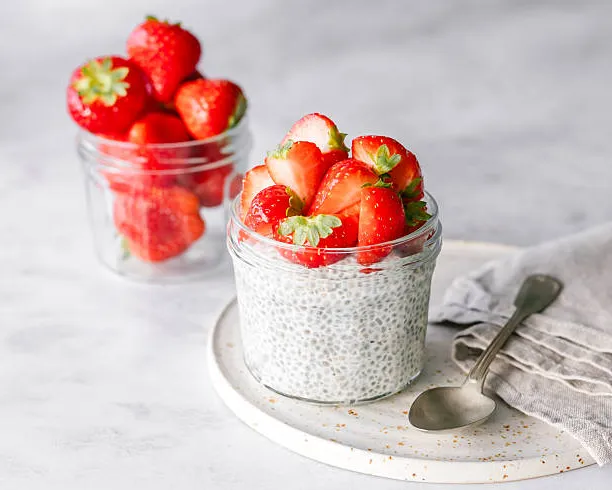
- Seeds and nuts: chia seeds (when soaked, they form a large volume of gel), flaxseed, almonds.
Rule 4: Combine different types of fiber
For maximum effect, you should consume both types of fiber. For example, oatmeal (soluble) with berries (insoluble skin) and flaxseeds makes for an ideal breakfast. A salad of leafy greens (insoluble) with avocado or chickpeas (soluble) is an ideal lunch. This synergy significantly amplifies the importance of fiber for weight loss.
The “Home Garden” Metaphor: How to Tune Your Body
Let me offer one more metaphor to solidify your understanding. Imagine that your body is a garden. Protein is the scaffolding for the garden beds, fats are the fertilizer (necessary, but in moderation), and refined carbohydrates are the weeds that grow quickly and choke out everything around them.
Fiber is mulch and compost. Mulch itself isn’t “food” for you in the literal sense, but it: If you douse the garden with chemicals (follow strict diets) or try to pull out all the weeds at once (fast), you’ll end up with stress and depleted soil. But if you start regularly adding “compost” (dietary fiber), the garden will naturally find its balance. The harvest (a lean body) will be the natural result of caring for the system rather than fighting against it.
- Retains moisture (water stays in the body longer).
- Suppresses weeds (suppresses cravings for fast carbs, as it stabilizes blood sugar).
- Nourishes the soil (creates an environment for beneficial bacteria).
- Protects against overheating (reduces inflammation).
Debunking myths: what you shouldn’t be afraid of
In my practice, I often encounter three main myths that prevent people from realizing the importance of fiber for weight loss and starting to take advantage of its benefits.
Myth 1: “Fruits and vegetables are expensive.”
That’s not true. Yes, cherry tomatoes in January can be a strain on the wallet. But there are seasonal vegetables (cabbage, carrots, beets) that cost next to nothing, yet are just as rich in fiber and beneficial properties as imported ones. Frozen mixes are also a great option: they’re cheaper than fresh produce but retain all the fiber and vitamins. Legumes are actually the cheapest source of high-quality fiber and protein.
Myth 2: “Fiber washes out vitamins.”
There is a myth that if you eat a lot of fiber, it acts like a broom and sweeps out not only toxins but also beneficial micronutrients. This is only partially true and only in cases of extreme consumption (more than 60–70 grams per day) against a backdrop of nutrient deficiency. With normal, increased intake (25–40 grams), fiber, on the contrary, improves mineral absorption by promoting gut health.
Myth 3: “Fiber makes you gain weight.”
Some people see that nuts or avocados are high in calories and fat and cut them out. Yes, these foods are high in calories. But their fiber suppresses appetite so effectively that you end up eating less overall during the day. Plus, the fats in these foods are beneficial for hormonal balance, which is critical for weight loss. The key is moderation (for example, a handful of nuts, not a whole bag).
Creating a meal plan: how to get the most out of fiber
To make it easier for you to put theory into practice, I’ve prepared a sample daily plan that illustrates the importance of fiber for weight loss in action. This isn’t a strict menu, but a template that can be adapted.
Breakfast: A “gel bomb” to kickstart satiety.
Oatmeal (not instant) cooked in water or plant-based milk. Add 1 tablespoon of chia seeds (they’ll swell and add volume), a handful of raspberries or blueberries, and 1 tablespoon of ground flaxseed.
Why it works: The soluble fiber in oats and chia seeds forms a thick gel in the stomach, keeping you full until lunchtime. The fiber in the raspberries adds texture and extra volume.
Lunch: “The Plate Rule.”
Take a plate with a diameter of 22–25 cm. Mentally divide it in half. Put one half of your plate into vegetables like a salad made up of napa cabbage, cucumber, and leafy vegetables with lemon juice and olive oil dressing, along with some steamed broccoli or cauliflower. The other half will be divided into two parts. One part will contain protein foods such as chicken breast, fish, tofu, or lentils.
Why it works: A large volume of low-calorie food fills your stomach. The combination of protein and fiber slows down carbohydrate absorption as much as possible.
Snack: “Microbiome Support.”
An apple with the skin on or a glass of kefir with bran (1 tablespoon). Or a handful of almonds (about 10).
Why it works: This snack doesn’t cause an insulin spike, maintains stable blood sugar levels, and provides additional food for gut bacteria.
Dinner: “Light Broom.”
Baked or steamed non-starchy vegetables (zucchini, bell peppers, green beans) with a piece of fish. Or a large leafy green salad with shrimp and avocado.
Why it works: Insulin sensitivity decreases in the evening. Focusing on insoluble fiber helps gently cleanse the intestines overnight, while protein supports muscle recovery.
What the experts say: Science backs fiber.
I don’t want you to take this as just my personal opinion. Numerous clinical studies have confirmed the importance of fiber for weight loss.
A study published in the journal Annals of Internal Medicine showed that the simple recommendation to eat 30 grams of fiber a day helps with weight loss just as effectively as complex diets with many restrictions. The study participants did not consciously cut calories, but by increasing their dietary fiber intake, they began to eat less automatically.
Renowned nutritionist Cynthia Sass states, “Fiber is the only ingredient that links weight control and longevity. Every additional 10 grams of fiber per day reduces the risk of all-cause mortality by 10–15%.” In the context of weight loss, this means that you’re not just getting slimmer—you’re becoming healthier from the inside out.
Practical tips for those already on a low-carb diet
I want to address separately those who follow a ketogenic or low-carb diet. Often in these eating plans, the importance of fiber for weight loss is underestimated because people fear “extra carbs.” Yes, potatoes and grains are off-limits. But leafy greens, cucumbers, avocados, seeds, and berries are still fair game.
Without fiber on a keto diet, you risk severe constipation, low energy, and elevated cholesterol levels. Include in your diet: These foods won’t kick you out of ketosis, but they’ll give your gut the support it needs.
- Spinach and arugula in huge quantities.
- Chia and flaxseeds (they contain almost no digestible carbs, but plenty of fiber and omega-3s).
- All types of cabbage (Brussels sprouts, broccoli).
Possible challenges and how to overcome them
Let’s be honest: as you increase the importance of fiber for weight loss in your mind and on your plate, you may face temporary challenges. I call this the “adaptation period.”
- Bloating and gas. It is normal during the first 2–3 weeks. Your gut bacteria are “readjusting” and learning to ferment new substrates. To reduce discomfort, I recommend starting with cooked rather than raw vegetables. Heat treatment breaks down tough cell walls, making digestion easier. Herbal teas with mint or fennel also help.
- Weight loss has stalled (plateaued). Sometimes, with a sudden increase in fiber, weight loss may stall for a few days. This is because fiber retains water. It’s not fat! As soon as your body adapts, the water will be eliminated, and your weight will start to drop faster than before.
- “I don’t feel like eating vegetables.” If you don’t like salads, don’t force yourself. There are plenty of ways: add spinach to smoothies (you won’t taste it), make pureed vegetable soups, or roast vegetables with spices until they’re crispy. Raw food isn’t the only way.
Conclusion: Fiber as a Lifestyle
To wrap things up, I want to go back to the beginning of our conversation. The importance of fiber for weight loss can’t be measured simply in calories or grams. It’s not just a dietary component; it’s the architect of your metabolic health.
When you start your day with a bowl of oatmeal and berries, you’re not just having breakfast—you’re creating a gel cushion that will protect you from a morning insulin spike.
When you choose a salad for lunch instead of French fries, you’re not just saving calories—you’re feeding trillions of bacteria that will work for you all night, producing anti-inflammatory compounds. When you swap a sweet snack for an apple, you’re not just avoiding sugar—you’re triggering a natural cleansing mechanism.
I’m not urging you to go vegan or eat nothing but grass. The first thing I am asking you to do is think strategically. This isn’t a race where the person who consumes the least is going to win. No, this is a long run where the person who has the healthiest lifestyle wins.
Don’t do too much. Add some spinach to your breakfast omelet. Substitute white rice with buckwheat. Grab an apple before you grab those cookies. Your body will thank you: that constant feeling of hunger will disappear, the fog in your head will clear, your bowel movements will normalize, and the pounds will start to melt away—and stay gone.
Remember: a slim body doesn’t start with giving up food, but with making the right choices in favor of foods that work for you. And in this choice, fiber is your most reliable ally. Use this powerful tool, and you’ll be surprised at how easy and natural the path to your desired shape can be.
Want this article to read in pdf later?
Enter your Email Address to get this article in pdf format