
Table of Contents
So, what’s the deal with these diet pills?
Hello, friends. Let’s talk frankly weight loss supplements Do they really work and are they safe? Many of us have that very jar lying around in a cupboard somewhere — bought with a mixture of hope and despair after yet another commercial. The one that promised to “burn fat while you sleep” or “curb your appetite with magical powers.” And now it’s gathering dust next to the tea, like a silent reproach. Sound familiar?
We live in a world where we are constantly being sold simple solutions to complex problems. Want a slim body? No need to change your habits, go through “I can’t” and “I don’t want to,” just take this capsule. Sounds tempting. It’s too tempting. And we, so intelligent and rational, still fall for it from time to time. Because we really want to believe in miracles.
Today, I’m not offering advertising or intimidation. Let’s have a significant, detailed “breakdown.” We’ll turn the whole world of weight loss supplements inside out, see what’s inside, how it’s supposed to work, and whether it actually works or not—no big words, just facts, research, and common sense. Sit back and get comfortable, this is going to be a long and detailed conversation.
Part 1: How do they even promise this? The logic of the “magic pill.”
To understand whether we can trust a supplement, we first need to understand what it claims to do. No capsule can override the laws of physics: to lose weight, you need to expend more energy than you consume through food. And all supplements revolve around this simple equation. Some try to reduce the left side (appetite), others try to increase the right side (energy expenditure).
Strategy one: “Shut up my insatiable hobby” (Appetite suppression)
It is the most straightforward and popular approach. The logic is simple: if you want to eat less, you will eat less. How do they do it?
• Trick the stomach physically: Often, dietary fiber ( for instance, glucomannan) is included in the composition. You take a capsule with a glass of water, and it swells up like a sponge in your stomach. It takes up space, and a signal is sent to your brain: “Hey, I’m kind of full!” You’re not hungry, and you don’t want to think about food.
• Play with hormones: Some ingredients try to influence our internal chemistry — lowering the level of the “hunger hormone” ghrelin and raising the “satiety hormone” leptin. Ideally, this should lead to you calmly walking past a cookie without feeling any internal struggle.
• Calm the brain: Some work with neurotransmitters (such as serotonin). They can improve your mood and reduce that “craving” anxiety when you crave sweet and fatty foods simply because you are sad or nervous.
The feeling is: You open the refrigerator less often. The sense of hunger becomes background noise, not intrusive. Those brutal attacks of “I’ll die if I don’t eat chocolate right now” disappear.
Strategy two: “Fire up my internal fireplace” (Boost your metabolism)

If the first strategy is about saving, the second is about spending. The idea: make your body burn more calories just by sitting on the couch or walking in the park.
• Boost your system: The classic stimulants, like caffeine. They “kick” your nervous system, making your heart beat a little faster, your blood pressure rise, and your body temperature increase. Your body expends energy on this “acceleration.” The side effect is that you feel a surge of energy.
• It is important to pause here and say outright: This strategy is the most risky. The strain on your heart and blood vessels is no joke. That feeling of “fire” inside can be costly, especially if you have underlying health issues.
Strategy three: “Let it pass” (Absorption blockers)

It’s a very clever idea. You seem to be eating, but part of what you eat (fats or carbohydrates) is not absorbed and goes straight to the toilet. In the intestines, these supplements connect with the enzymes that are supposed to break down food. Fat or carbohydrates remain in their original form and are excreted.
• But there is a huge “but”: such supplements are blind and indiscriminate. They can block not only the “extra” piece of cake, but also vital fat-soluble vitamins (A, D, E, K), without which serious health problems begin. And they often cause… um… very awkward and urgent consequences. Diarrhea and oily stools are common side effects of such products.
Strategy four: “Tame the roller coaster of blood sugar.”
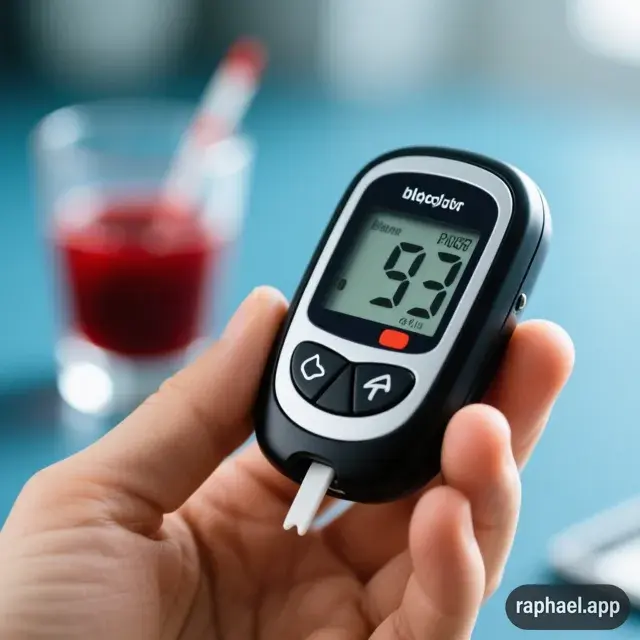
Many people have noticed that after eating a chocolate bar, they feel hungry again in half an hour, and even more so than before. It is due to spikes in glucose and insulin. Some supplements (with chromium, cinnamon) attempt to ensure that sugar from food enters the bloodstream gradually, rather than in a sudden rush.
• What we get in an ideal situation: There are no sudden bouts of ravenous hunger, more steady energy throughout the day, and the craving for fast carbohydrates decreases. It helps indirectly, but very significantly, to control appetite and break fewer rules.
Conclusion after this part: Most supplements are not magic, but relatively minor contributors to the greater cause of weight loss. They can hold the refrigerator door open, throw a little wood on the fire, or quietly throw away a couple of extra spoonfuls of salad. But they won’t build you a new metabolism or replace your willpower. Their effect, if any, is a percentage point, not a breakthrough.
- Part 2: From words to action: Analyzing the main “heroes” of the composition
Let’s take a look at the most popular ingredients. Which of them are real hard workers, and which are just pretty labels?
1. Green tea extract (EGCG). A scientist with a temperament.

Everyone has heard of it. And for good reason — it is perhaps the most researched “slimming” ingredient.
• What it promises: Thanks to the combination of caffeine and catechins (especially EGCG), it promises to boost metabolism and make the body burn fat more actively, especially during workouts.
• What it actually does: Science generally agrees: “Yes, it works, but only a little.” Meta-analyses (summaries of multiple studies) show that it can increase energy expenditure by about 3-4%. It’s not “fat melting before your eyes,” but it’s a statistically significant plus. Especially if you’re not a coffee drinker and your body is still sensitive to caffeine.
• Personal qualities (pros): Intelligent, with a good reputation, provides additional cell protection (antioxidant).
• Dark side (cons): Short-tempered (contains caffeine, can cause anxiety and insomnia). Some people can get liver damage from high doses. The effect really depends on the person.
2. Glucomannan. A modest but effective “filler.”
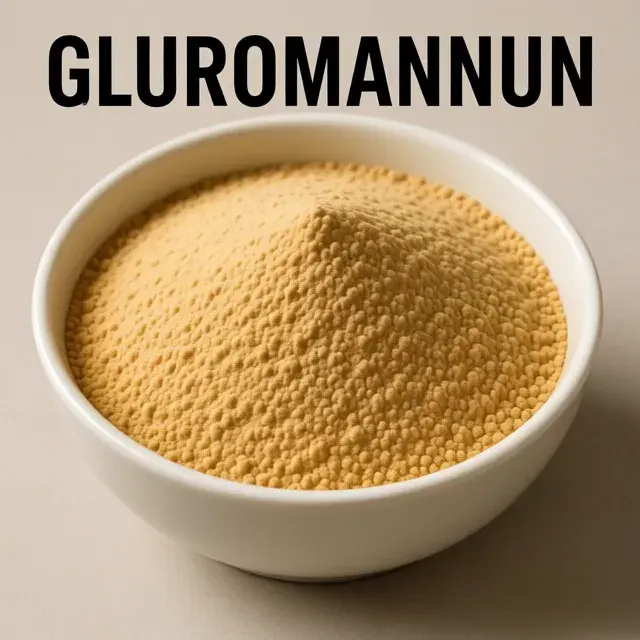
If green tea extract is about chemistry, then glucomannan is about simple physics.
• What it promises: To significantly reduce appetite.
• What it actually does: European regulators have officially recognized that glucomannan contributes to weight loss as part of a low-calorie diet. It’s ingeniously simple: it’s a fiber that absorbs water in the stomach and turns into a voluminous gel. There’s simply no room left for food. You eat less because you physically can’t eat more.
• Personal qualities (pros): Straightforward, honest, works. Natural and beneficial for intestinal microflora.
• Dark side (cons): Requires strict adherence to the ritual — drink 1-2 LARGE glasses of water! Otherwise, instead of the stomach, it will swell in the esophagus, and this is dangerous. May cause temporary bloating and rumbling in the stomach — this is its “working process.”
3. Caffeine (and its cousins guarana and kola nut). It’s a veteran energy booster.
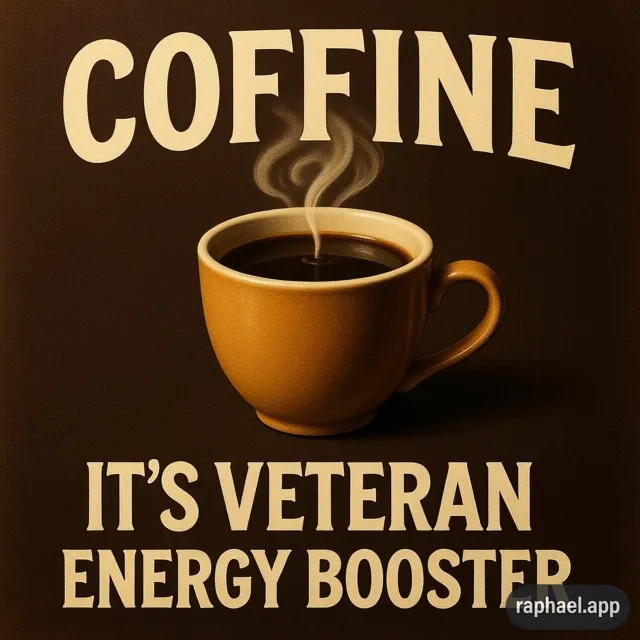
Good old, predictable caffeine. Everyone who’s ever had coffee knows it.
• What it promises: To perk you up, give you energy, help you burn fat, and train more effectively.
• What it actually does: It’s the most honest thermogenic. Yes, it really increases energy expenditure by 3-11% and helps release fat from storage. Its foremost superpower is that it allows you to train harder, longer, and more effectively. You burn more because you can do more.
• Personal qualities (pros): The effect is felt quickly, improving both physical and mental performance.
• Dark side (cons): You quickly get used to it, so one cup per day is invigorating today, but in a month, you will need two. Overdoing it (more than 400 mg per day) is a direct path to heart palpitations, shaky hands, anxiety, and sleepless nights. It is dangerous to mix it with other stimulants.
4. Chromium. The quiet sugar specialist.
Surrounded by an aura of mystery: “stabilizes sugar levels, eliminates cravings for sweets.”
• What it promises: It helps control appetite, especially for sweets.
• What it actually does: It is a trace element that is important for insulin function. The theory sounds logical: insulin works better — blood sugar levels are more stable — you crave sweets less. But life, alas, is more complicated. The vast majority of studies find no significant effect of chromium on weight loss in ordinary people. In the best-case scenario, you might lose half a kilo in a few months. It may only be beneficial for those who have an absolute chromium deficiency and pronounced insulin resistance.
• Personal qualities (pros): Important for overall metabolism.
• Dark side (cons): Not very effective for weight loss. And in high doses, it becomes toxic to the kidneys.
5. L-Carnitine. The great and terrible “fat burner” that isn’t actually a fat burner.

It’s the king of marketing. “Fat transporter to the mitochondria” — sounds impressive and scientific! It seems like the key to the furnace where fat is burned.
• What it promises: To deliver fat directly to the “furnace” for burning.
• What it actually does: The body produces exactly as much as it needs. Additional intake in a healthy person who eats normally does not lead to any increase in fat burning. It is one of the most overrated supplements in history. The effect may only be noticeable in professional athletes who undergo grueling, hours-long training sessions. For the average person who goes to the gym three times a week, it is a waste of money.
- Part 3: Safety: What they hide from us (and what we hide from ourselves)
Now for the most unpleasant but most crucial conversation. “Natural” is not synonymous with “safe.” Hemlock and pale toadstool are also natural.
A systemic problem: Almost no regulation.
Do you understand what the trick is? Before a medicine reaches pharmacies, it spends years proving to thousands of people that it works and does not cause harm. That is not the case with supplements. In most countries (including the US and Russia), the principle of “permitted until proven harmful” applies. The manufacturer itself says, “My product is safe.” Regulatory agencies only get involved when someone has already been harmed. When you buy a trendy jar, you are essentially volunteering for an uncontrolled experiment. Scary? You bet.
How exactly can they cause harm?
• Stomach and intestines (most common): Nausea, cramps, bloating. Fat blockers can cause diarrhea and oily stools (this is not a joke, but a real and very unpleasant side effect).
• Heart and blood vessels (most dangerous): Rapid heartbeat, blood pressure spikes, chest pain. This is the “specialty” of stimulants. If you have undiagnosed problems, such a supplement can severely exacerbate them.
• Nerves and psyche: Anxiety, panic attacks, insomnia, irritability. The brain does not like to be artificially overloaded.
• Liver and kidneys: Some “deadly” complexes or high doses of green tea extract can literally poison the liver. An overdose of the same chromium affects the kidneys.
Hidden bomb: Ingredients not listed on the label.
This is the scariest story. Laboratory tests regularly find the following in supplements (especially those purchased from dubious websites or “through a friend” ):
• Prohibited drugs: For example, sibutramine. It is a powerful psychotropic drug for suppressing appetite, which is banned in many countries due to the enormous risks to the heart (heart attacks, strokes). Manufacturers illegally add it so that you feel the “WOW effect” and leave rave reviews. At the expense of your health.
• Laxatives and diuretics: Phenolphthalein (carcinogen), furosemide. They create the illusion of rapid weight loss through dehydration and emptying of the intestines. The fat remains in place. As soon as you stop taking them, the weight will return in a couple of days.
• Hormones and steroids: To make you feel a surge of energy.
When it is definitely NOT allowed.
Keep this in mind. If you have any of the conditions listed below, don’t even think about doing it yourself:
• Any heart problems (blood pressure, arrhythmia, anything).
• Liver, kidney, or stomach diseases (gastritis, ulcers).
• You are pregnant or breastfeeding.
• You have anxiety, depression, or other mental disorders.
• You are already taking ANY medication regularly (for blood pressure, antidepressants, thyroid hormones, contraceptives, etc.).
• You are under 18 years of age.
In these cases, only your doctor can discuss supplements, weighing all the risks.
- Part 4: So what really works? The boring truth that everyone is tired of hearing
Now let’s take a breath and talk about something that doesn’t promise miracles but works 100%. It’s boring, it takes effort, and it doesn’t come in a pretty jar. But it’s the only way that doesn’t lead to a dead end.
1. Food. Not a diet, but sensible eating.
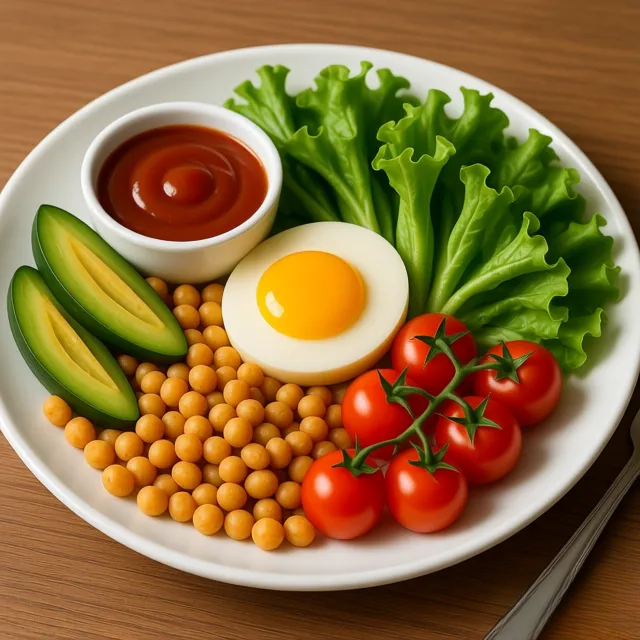
A calorie deficit is not starvation. It’s awareness.
• Make your plate colorful and tasty: Half of your plate should be vegetables (any kind, the more colors the better). A quarter should be high-quality protein (chicken, fish, eggs, cottage cheese, lentils). Another quarter of the plate should be complex carbohydrates (buckwheat, brown rice, quinoa, potatoes) or healthy fats (avocado, a handful of nuts, a spoonful of olive oil in a salad).
• Drink water. We often confuse thirst with hunger. A glass of water 20 minutes before a meal is your best ally.
• Don’t exclude, but replace and control portions. If you want something sweet, eat it, but not a whole cake, just a piece, and without feeling guilty. Living with constant restrictions is a sure way to fail.
2. Keep moving. Not torturing yourself at the gym, but just being active.
• Strength training is an investment in your future. Every pound of muscle you build will quietly and steadily burn extra calories 24/7 to keep itself going. It’s like your own personal metabolic engine.
• Cardio is burning calories here and now. Brisk walking, cycling, swimming, dancing. Find something that pleases you, not pain.
• Most importantly, NEAT. That is your everyday activity: walking to the subway, going up the stairs, standing while cooking dinner, and cleaning. In total, this can “burn” up to 500-700 calories per day — an entire extra workout!
3. Your mind. The most difficult and most important thing.
• Sleep is your best friend when it comes to losing weight. Lack of sleep (less than 7 hours) is a direct order to your body to gain fat. Hunger hormones go wild, and your willpower melts away before your eyes.
• Stress is your worst enemy. Cortisol (the stress hormone) loves to store fat right on your belly and make you crave the most unhealthy, high-calorie foods. Find your own way to “clear your head”: meditation, hobbies, walks in nature, talking to loved ones.
• Mindfulness is your internal stop valve. Eat slowly, turn off the TV, and put away your phone. Savor the taste. Ask yourself 15 minutes after eating: “Am I really still hungry, or am I just bored/sad?”
• Patience. Healthy weight loss is 0.5-1 kg per week. Anything faster than that is water and muscle, which will come back with a vengeance.
4. Intermittent fasting (IF). Not a panacea, but a method.
It’s not a diet, but a routine. For example, you eat for 8 hours a day (say, from 12:00 to 20:00), and drink water for the remaining 16 hours. For many, this is a convenient way to cut calories without counting. But! It is not suitable for everyone—contraindications: eating disorders, type 1 diabetes, pregnancy. You should only try it after talking to your doctor.
- So, should you drink or not? The final verdict
Let’s summarize our long conversation.
Do supplements work?

Some do. Like how coffee works to perk you up. Like how a big salad works to fill you up. Their effect is a little help. It’s like a tailwind when you’re already walking uphill. It can help a little, but it won’t get you to the top on its own. They won’t make up for a bad diet and a couch potato lifestyle.
Are they safe?
It’s a lottery with very unpleasant prizes. Without consulting a doctor, without studying the composition and reputation of the manufacturer, you are playing roulette with your health. The risk of developing heart, liver, or mental health problems is often much more real than the illusory possibility of losing a few extra pounds.
What should you do if you really want to try them?

If, after reading all this, you still decide that you want to add some supplement to your arsenal (well, human nature is such that we wish to magic), do it wisely:
1. Foundation is the priority. 90% of your success is determined by nutrition, exercise, and sleep. Ensure that these aspects are well-managed. 10% is the supplement, no more.
2. Select one goal and one component. Avoid purchasing a “25 super fat burner complex.” Want to control your appetite? Consider glucomannan. Need energy for training? Caffeine. Choose one of the most researched ingredients.
3. Ask your doctor. Say, “Doctor, I’m thinking of taking this, I have high blood pressure/stomach problems/insomnia, what do you think?” This is the most sensible approach.
4. Be skeptical. If a promise sounds like a fairy tale (“Lose weight while you sleep!” “Lose 15 kg in a month!”), Then it is a fairy tale. Beautiful, expensive, and dangerous.
Final thought.
Your body is not an enemy that needs to be defeated with supplements. It is a complex, intelligent, and incredibly responsive system. The best “supplement” for it is your consistent, kind, and patient attention. Feed it good food, give it exercise, and allow it to sleep and rest. The results will come. Not as quickly as in the commercials, but they will be permanent.
Be healthy and sensible. And those bright little jars… let them gather dust on the shelves of marketers, not in your cupboard.
Want this article to read in pdf later?
Enter your Email Address to get this article in pdf format