
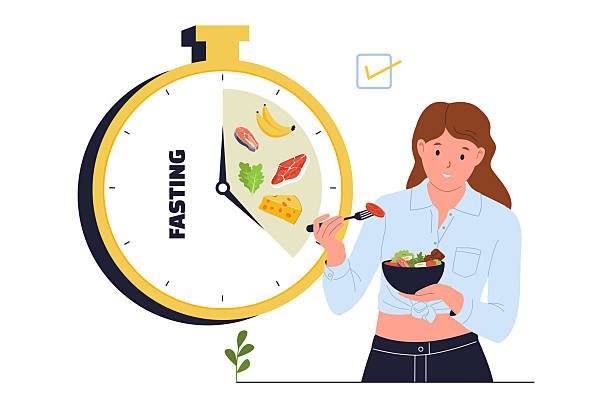
Discover real intermittent fasting 14/10 results for women, from hormonal balance and reduced bloating to weight loss and mental clarity. Learn how this gentle 14-hour fasting protocol supports female health without extreme restrictions. Have you ever felt like your body is a complex machine that breaks down the moment you stray slightly from your routine? So have I. Mood swings, the constant battle with sugar cravings after 6 p.m., and the feeling that my jeans love me a little less than they used to. That’s when I started looking not just for a diet, but for a system. And I stumbled upon a method that turned my whole idea of nutrition upside down. I’m talking about intermittent fasting 14/10 results for women, and they turned out to be nothing like what I expected.
If you’ve heard the term “intermittent fasting” but thought it was too harsh for a woman’s body, stick around. We’ll break down every detail. In this article, I won’t just list dry facts. I’ll explain how the 14/10 protocol (where you eat for 10 hours and fast for 14) works in practice, what transformations it brings inside and out, and why many women call it the “lightest” and most effective way to achieve a sense of lightness.
Table of Contents
What is the 14/10 protocol, and why is it suitable for women?
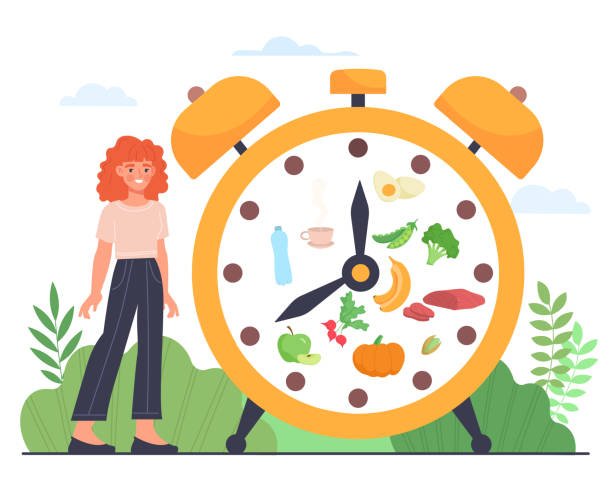
Before we dive into the numbers, let’s break down the science behind the process. 14/10 intermittent fasting isn’t a diet in the traditional sense. You don’t count calories until you’re on the edge of a nervous breakdown, and you don’t give up your favorite foods forever. You simply give your body a time frame.
Imagine that your digestive system is a housekeeper. If you let her into the house (your body) every two hours, she’s constantly tidying but never has time for a deep clean. When you close the door for 14 hours, she has time to reach the farthest corners—burning stored fat, clearing inflammation, and repairing cells.
For women, this approach is particularly gentle. Strict 16-hour fasts can sometimes disrupt hormonal balance, causing stress. The 14/10 rule, on the other hand, functions more like a push than a punch. We do not need to be soldiers who have to march without food for 18 hours straight.
My First Experience: A Week of Adjustment.
I’ll be honest with you: the first three days felt like trying to learn how to ride a bike. My body resisted because it was used to snacking while watching TV. But intermittent fasting 14/10 results for women begin precisely with a psychological victory over the habit of “eating away” boredom.
In the first few days, I set my “eating window” from 10:00 a.m. to 8:00 p.m. I moved breakfast a little later and finished dinner by 8:00 p.m. For the remaining 14 hours (from 8:00 p.m. to 10:00 a.m.), I drank only water and herbal tea.
What did I notice by the end of the first week? The evening heaviness was gone. It turns out I’d gotten so used to eating at night that I’d forgotten what it was like to wake up without puffiness. My stomach stopped feeling like a bloated balloon in the mornings. That was the first small but definite change.
Hormonal swings: how 14/10 affects the female endocrine system.
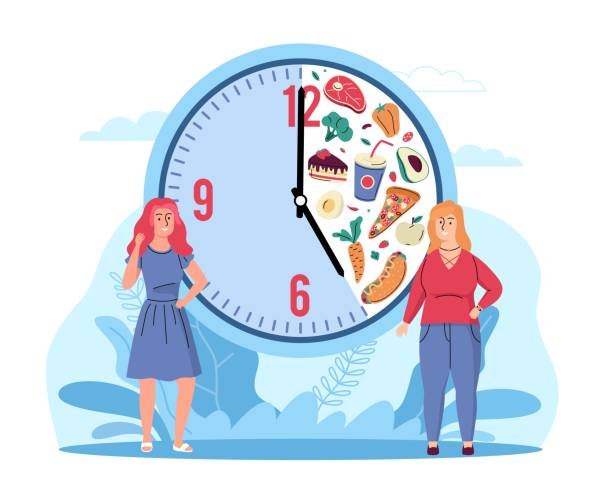
When we talk about intermittent fasting 14/10 results for women, we can’t avoid the topic of hormones. This is the most important difference between female and male fasting. The male body perceives hunger as a call to action and hunting. The female body perceives it as a signal: “Attention, stress—it may be time to conserve resources.”
This is exactly why the 14/10 strategy works so well. It makes the body aware that cleansing is necessary but does not trigger any alarm bells inside the body. Following this method ensures that insulin production becomes normal in women. The most important thing to remember here is that insulin is essentially a ‘fat storekeeper’. When you fast for 14 hours, your insulin falls back to normal.
Many of my friends who suffered from PMS and mood swings noticed that after a month of practicing this, their cycles became more predictable, and painful symptoms decreased. Why? Because we reduced inflammation. The 14/10 schedule acts as an anti-inflammatory tool. Less inflammation means less pain and fewer hormonal surges.
Body Transformation: Numbers and Centimeters
Let’s move on to the most exciting question—physical changes. Intermittent fasting 14/10 results for women aren’t always reflected in a dramatic drop on the scale, and that’s normal. In fact, if the scale drops too quickly, it’s often water and muscle loss, not fat.
Over 30 days of following the protocol, I lost 3 kilograms. That might not seem like much. But my waistline shrunk by 5 centimeters. My body became firmer and more toned. It happened because, during fasting, the body increases its insulin sensitivity and begins to burn visceral fat. This very fat surrounds the internal organs and makes the belly stick out.
I compare this to defrosting a refrigerator. When you don’t open the door (i.e., don’t eat) for a long time, the frost (fat) begins to melt. But it melts evenly, not just in one spot.
The women I spoke with in online communities reported similar results:
- Reduced swelling — within just 5–7 days, the bags under the eyes and morning puffiness in the fingers disappear.
- Reduction of cellulite — here, the decrease in insulin levels plays a role, as it directly affects sodium and water retention in adipose tissue.
- Improvement in skin condition — thanks to autophagy, skin cells renew faster, and minor breakouts clear up.
Energy and the brain: the fog lifts
Do you know that feeling when, at three in the afternoon, you just want to rest your head on the keyboard and fall asleep? For me, that was the norm. I used to blame it on a lack of vitamins. But it turned out that the real issue was constant blood sugar spikes.
When you practice 14/10 intermittent fasting, you cut out nighttime snacks and late dinners. That helps stabilize your blood sugar levels. By the second week, I noticed that waking up in the morning had become easier. I no longer needed a double espresso just to open my eyes.
Why does this happen? In a fasting state, the body switches from glucose to ketones. Ketones are “clean fuel” for the brain. They provide mental clarity, improve concentration, and stabilize your emotional state. It’s as if you’ve tuned out the static and noise on the radio and can finally hear clear music.
Psychology: Freedom from “Food Slavery”
One of the most underrated benefits for intermittent fasting 14/10 results for women is the psychological relief it provides. When I was on traditional diets, my day was planned down to the gram. I was constantly thinking about food: “Did I get my protein intake? Can I have this fruit? Is that too much oil?”
The 14/10 schedule eliminates this anxiety. During your 10-hour window, you can eat a full, varied meal without guilt. You simply stick to the time frame. That gives you a sense of control over your life, rather than life controlling you.
I stopped eating out of boredom. Before, if I walked past the kitchen, my hand would automatically reach for the fridge. Now I ask myself: “Am I hungry, or am I just bored?” In 90% of cases, it was boredom or thirst. This awareness comes precisely from the discipline of the fasting window.
Practical tips: how to implement 14/10 without stress
I’m not a fan of drastic changes. If you decide to start a 14-hour fast tomorrow but ate dumplings until midnight today, your body might rebel. Let’s approach this process gradually.
Here’s my step-by-step strategy to ensure a smooth transition:
- Start by tracking. For 2–3 days, simply write down what time you eat your last meal. You’ll be surprised, but many women finish dinner at 10:00 p.m. and have breakfast at 7:00 a.m. That’s already 9 hours of fasting! We just need to extend that window to 14 hours.
- Push back breakfast. Every two days, push back your first meal by 30 minutes. If you used to eat breakfast at 8:00 a.m., start eating at 8:30 a.m., then at 9:00 a.m. Your body will adapt without you even noticing.
- Close the kitchen. Choose a time after which you won’t eat. I recommend 8:00 p.m. After dinner, brush your teeth—this is a psychological cue for your brain that “the kitchen is closed.”
- Drink water. During fasting, water is your best friend. If you feel hungry, drink a glass of water with a pinch of salt. Often, the brain confuses thirst with hunger.
- Don’t overeat to stock up. Many people worry that 10 hours isn’t enough and start eating for two during the window. That’s a mistake. Eat as usual, but focus on protein (eggs, fish, meat) and fiber (vegetables). They provide long-lasting satiety.
What happens in the body at the cellular level?
Let’s take a look inside to understand the mechanics. When I talk about intermittent fasting 14/10 results for women, I mean not only visual changes but also deep healing processes.
About 12 hours after the last meal, the body’s glycogen stores in the liver are depleted. And this is where the magic begins: the body switches to lipolysis—the breakdown of fats. Fatty acids enter the bloodstream and are converted into energy.
But the most interesting part begins after 14 hours—autophagy kicks in. This is the process that won the Nobel Prize in 2016. Autophagy is when cells “eat” their own waste: broken proteins, old mitochondria, bacteria. Imagine a team of cleaners working inside you, fixing broken chairs and throwing out junk. This is a natural mechanism for rejuvenation and cancer prevention.
Women who have practiced 14/10 for years note that they look younger than their peers. It’s not cosmetics; it’s cellular renewal.
Compatibility with physical activity.
People often ask me, “Can you work out on an empty stomach?” I’ll answer honestly. Morning workouts at the end of a fasting period (when you haven’t eaten for 12–13 hours) are a powerful fat-burning tool. Your body simply has nowhere else to get energy except from fat stores.
I prefer light cardio or yoga in the morning, and I save strength training for my eating window so I can replenish protein right away. If you feel weak, drink some BCAA amino acids or just water with lemon before your workout. That won’t break your fast, but it will give your muscles a boost.
Who should be cautious?
I always advocate for a personalized approach. Although the intermittent fasting 14/10 results for women are impressive, this method isn’t 100% suitable for everyone without consulting a doctor.
Special attention should be paid if: In all other cases, the 14/10 protocol is safe. But if you have any doubts, get your thyroid and sex hormones tested before and two months after starting the practice. You’ll be pleasantly surprised by the stability of your results.
- You have a diagnosed gallbladder condition. Long periods without eating can cause bile to thicken.
- You are pregnant or breastfeeding. During these periods, fasting is contraindicated—your body needs a steady supply of nutrients.
- You have a low body mass index (BMI < 18.5). You don’t need to lose weight; you need to maintain your body weight.
- You have an eating disorder (anorexia, bulimia). Any restrictions can exacerbate the situation.
Myths about fasting: debunking fears
Many scare stories are circulating online claiming that intermittent fasting “kills female fertility” or “slows down metabolism.” Let’s debunk these myths based on the real intermittent fasting 14/10 results for women.
Myth 1: Metabolism slows down.
Fact: Short-term fasting (up to 16 hours) speeds up metabolism due to the release of norepinephrine. This is a hormone that stimulates fat burning. Metabolism slows down only during prolonged starvation (24 hours or more without food). 14 hours is not starvation; it is a physiological pause.
Myth 2: You can lose muscle mass.
Fact: If you take in sufficient amounts of protein within your feeding window (1.2 to 1.5 grams per kilogram of body mass), your muscles will stay healthy. Furthermore, the growth hormone released during fasting is beneficial for muscle maintenance and fat burning.
Myth 3: It causes binge eating and overeating.
Fact: At first, yes, you may feel the urge to “make up for lost time.” But this passes after 1–2 weeks. Insulin levels stabilize, and the sudden bouts of ravenous hunger disappear. You start to sense the signals of fullness and hunger better.
Sample menu for a 10-hour eating window
To give you an idea of what a typical day looks like, I’ll share my sample meal plan. I don’t follow strict diets, but I adhere to the principles of intuitive eating within the window.
Eating window: 10:00 a.m. — 8:00 p.m. During the fasting period, I drink plenty of water, chamomile tea (it helps calm the nervous system before bed), and sometimes mint tea.
- 10:00 a.m. — Breakfast (breaking the fast): I always start with a glass of warm water with lemon. Fifteen minutes later—an omelet made with 2–3 eggs and vegetables (spinach, tomatoes) and a slice of whole-grain bread with avocado. Protein + fats + fiber—the perfect start.
- 2:00 p.m. — Lunch: A large serving of fresh vegetable salad with olive oil, baked chicken breast or fish, and a side of quinoa or buckwheat.
- 5:00 p.m. — Snack (if needed): Plain Greek yogurt with a handful of berries or an apple with peanut butter.
- 7:30 p.m. — Dinner: Light protein. Poached fish or tofu with cauliflower and broccoli. I try not to eat heavy food late at night so as not to overload my liver.
Mistakes That Prevent You From Seeing Results
Even the best plan may not work if you make systemic mistakes. Over the years of talking to women who have tried intermittent fasting, I’ve identified the top 3 reasons why they didn’t see the desired changes.
- Hidden calories during the “fasting” window. Many believe that if the fasting period is underway, they can drink coffee with cream, sweet juices, or “just a spoonful of honey.” Alas, any calories (even 10 kcal) break the fasting state. During the 14 hours, only water, black tea, black coffee, and unsweetened herbal infusions are allowed.
- Lack of sleep. The hunger hormones ghrelin and leptin are directly influenced by sleep. If you sleep for 5–6 hours, even perfect fasting won’t yield the full effect. Your body will be under stress and will store fat. I’ve noticed that as soon as I go to bed before 11:00 p.m., the scale shows a loss in the morning. Sleep accounts for 50% of success.
- Stress. Cortisol is the main enemy of a slim figure. If you’re running around, feeling anxious, and trying to fast at the same time, cortisol blocks fat burning in the abdominal area. The 14/10 protocol thrives on calm. Add walks in the fresh air and breathing exercises.
Expert perspective: What do dietitians say?
I reviewed the opinions of several certified dietitians and nutritionists specializing in women’s health. They all agree on one thing: intermittent fasting 14/10 results for women are most sustainable precisely because of the gentle nature of the approach.
Dr. Sara Gottfried, author of books on women’s hormonal health, asserts that synchronizing meals with circadian rhythms is important for women. Eating during a 10- to 12-hour window during daylight hours supports liver and gallbladder function. She emphasizes that fasting shouldn’t be strict—if you feel severe weakness or dizziness, you should shorten the fasting window to 12 hours and then gradually increase it.
Experts agree that 14/10 is not a temporary diet but a sustainable lifestyle. It’s not about restrictions, but about creating a structure in which a woman’s body feels safe.
How to Make the Results Last
You’re probably reading this article because you’re looking for a long-term solution, not just another fad diet. I have good news for you: the habit of maintaining a 14-hour break between dinner and breakfast can easily be integrated into any lifestyle.
To ensure the results don’t disappear after a month, I recommend:
- Keep a wellness journal. Record not just your weight, but also your sleep quality, mood, and energy levels. This is more motivating than just numbers.
- Allow yourself some flexibility. Once a week, if you’re visiting friends or attending a celebration, you can adjust the window or take a break. It’s important to return to your routine the next day, rather than beating yourself up.
- Listen to your cycle. Many women notice that in the week before their period, it’s harder for them to maintain long fasting windows. Your body craves carbohydrates and food more often. On those days, I shorten my fast to 12 hours and allow myself more warm, hearty meals. It’s normal to adapt the method to suit yourself.
Conclusion: Your Path to Lightness
To sum up, I want to say that intermittent fasting 14/10 results for women aren’t just about weight loss. It’s about regaining control over your body and appetite. When you stop being a hostage to food, you free up a tremendous amount of energy for living, creating, and caring for your loved ones.
This method is like tuning a musical instrument.There is no adjustment to the instrument itself, but merely tuning it to match your biological rhythms. You quit eating when bored or stressed, identify actual hunger cues, and savor each morsel in the 10-hour window of consumption.
If you’re tired of constant dieting, if your hormones are all over the place, and you don’t know how to approach your health, try the 14/10 protocol. Give yourself 30 days. Don’t expect instant miracles on the third day, but keep an eye on yourself. I’m confident that in a month, you’ll be just as surprised as I was at how light, energetic, and calm your body can feel.
Start today. Close the kitchen after dinner, enjoy a cup of fragrant tea, and go to bed knowing you’ve taken an important step toward better health. Your body will definitely thank you.
Note: The above information should not be considered as a substitute for proper medical advice. It is advisable to consult your physician regarding your diet before beginning any meal plan.
Want this article to read in pdf later?
Enter your Email Address to get this article in pdf format