

We are writing this article based on decades of practical experience working with people who want to change their bodies and health. We have seen hundreds of stories, analyzed thousands of studies,
fat loss myths and facts, and, most importantly, observed what really works in real life and what remains just a nice theory. The whole information space about weight loss is like a bomb field: on one hand, we have sensational headlines, on the other hand, “revolutionary” methods, and somewhere else, there is complete speculation on your dreams. Our intent today is to help you navigate through the mess. We will consider not only the aspect of personal appearance but also that of health, since it is very often our health that we compromise unconsciously when we follow myths—ever wondered about the biggest myths around and how we can prove them wrong with scientific facts and logical thinking? Well, here we are going to lay it all out for you, how your body really eliminates fat, and which kind of habits can give you those lasting changes rather than simply frustration.
Table of Contents
Section 1: Weight loss basics that people often misunderstand.
1.1 What weight loss actually is.
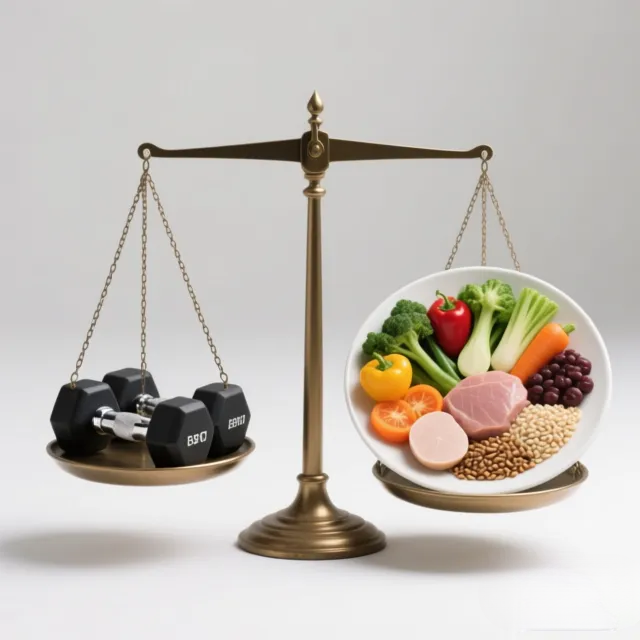
Let’s start with the basic principles. Fat loss, at its core, is energy arithmetic. Your body functions like a bank account: the calories you consume from food and beverages are your income. The calories you expend on your basal metabolic rate, movement, exercise, and even digestion are your expenses. You need to create a deficit—spend a little more than you consume—to start burning fat. This isn’t an opinion; it’s a law of thermodynamics.
But here’s the first pitfall. We often think about it in terms of days: “I worked out well today, so I’m in deficit.” In reality, the body doesn’t count calories every week. It takes into account trends over weeks and months. One missed workout or one holiday dinner won’t ruin everything — just as one week of eating salad won’t give you your dream figure. It’s all about averages. In addition, “weight loss” on the scales does not always equal “fat loss.” Scales record total weight: fat, muscle, water, and stomach contents. Sudden weight loss often means a loss of water and valuable muscle tissue, but not fat. Our actual goal is to change our body composition: to reduce the percentage of fat while maintaining or even increasing muscle mass.
1.2 Myth: “Any weight loss is good.”
This myth is one of the most dangerous. The race for quick weight loss makes people happy about any number on the scale, but the body pays a high price for it. When you go on an extremely low-calorie diet or exhaust yourself with hours of cardio, your body panics and starts looking for quick sources of energy. The glycogen in your muscles (which holds water) gets used up, and you lose weight because of water. Then, not only fat but also protein from muscle tissue gets used. Muscles are metabolically active tissue, like your main ally in burning calories. By destroying them, you slow down your own metabolism, making your body less “energy-intensive.” As a result, you will not only regain the weight you lost (and often gain more) after such a diet, but you will also have a weaker body that is more prone to gaining fat. The truth is that a slow, steady weight loss of 0.5-1 kg per week is not a lack of speed. It is a sign that you are losing fat, preserving muscle, and giving your body and mind time to adapt to new habits that you can maintain for years to come.
1.3 Myth: “Calories don’t matter if you eat ‘clean’ food.”
We love whole, unprocessed foods. Vegetables, fruits, high-quality proteins, and whole grains are the basis of a healthy diet. But even the most nutritious foods have calories. Avocados, nuts, olive oil, buckwheat, and chicken breast—all of these contain calories. We can easily exceed our daily calorie allowance by eating only “clean” foods and simply increasing our portion sizes. We’ve seen people who have switched to a “healthy diet” add handfuls of nuts, spoonfuls of peanut butter, five-fruit smoothies, and oil to their salads, sincerely believing that these foods are not counted. And then we wonder why our weight stays the same. The truth is that the quality of food determines your health, satiety, energy levels, and hormonal balance. But the quantity of this quality food determines whether you will have a calorie deficit to lose fat. You need both components.
1.4 Myth: “You have to be perfect every day.”
This mindset has ruined more weight loss attempts than any other factor. The “all or nothing” mentality functions like this:
“I just ate a cookie. I ruined my diet. I might as well go ahead and eat the whole box. I’ll just start again on Monday.”
A vicious cycle of guilt and procrastination. That just isn’t how real life works. You’ve got birthdays. You’ve got stressful days. You’ve had nights when you’re exhausted, and you want to eat what you want. That’s a regular part of being human. People who are successful in the long term understand that the big picture is what matters — the arithmetic mean for a week or a month. One “imperfect” meal or day does not negate a week of good dietary choices. The truth is that consistency in 80-90% of cases is what leads to results. Perfection is not only unattainable but also detrimental to motivation. Learn to be flexible and return to your good habits immediately after a slight deviation, without blowing it up into a catastrophe.
Section 2: Diet myths that prevent people from achieving results.
2.1 Myth: “Carbohydrates Make You Fat.”
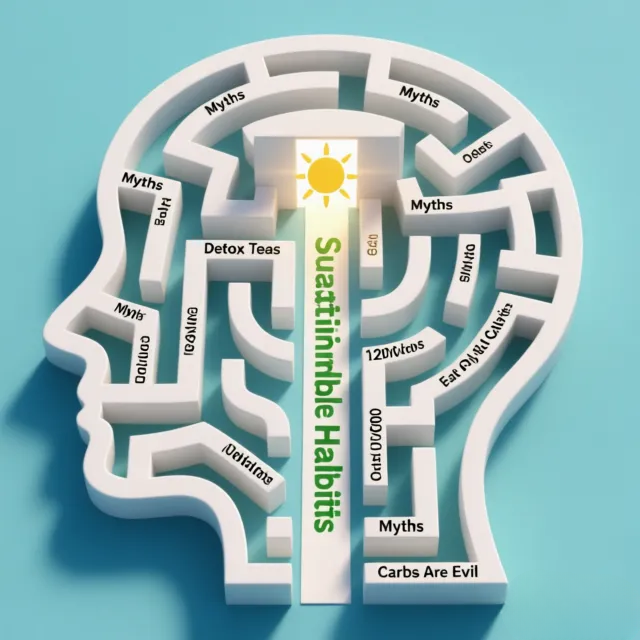
Carbs have been given lots of bad publicity, but let’s call a spade a spade. A pear, oatmeal, and a doughnut are carbs, but how different are their physiological impacts? It is no news that your brain, muscles, and cells have glucose (from carbs) as their nutrient of choice to produce energy. The issue is not carbs, but quality, amount, and your physical activity level. Doughnuts, soft drinks, and white bread are processed carbs that are low in fiber and nutrients. They result in your blood sugar shooting through the roof in no time and plummeting to incredible depths in record time, leaving you yet again hungry. The fact is that carbs obtained from vegetables, fruits, beans, and whole grains are high in fiber and vitamin content and help to keep your energy bank full for longer periods of time. They can and should be eaten as part of your key to good health. Quality counts and portion sizes, and if you are not physically active, watch out!
2.2 Myth: “Fats Make You Fat.”
This myth gave us a whole era of low-fat foods that were loaded with sugar to make them appetizing, making them even more harmful. Fats are a super essential macronutrient. We need them to produce hormones (including sex hormones), absorb fat-soluble vitamins (A, D, E, K), and keep our brains and skin healthy. Fats are high in calories (9 kcal per gram compared to 4 kcal for proteins and carbohydrates), but they are also very filling and slow down digestion. Healthy fats from avocados, nuts, seeds, olive oil, and fatty fish not only do not interfere with fat loss, but also promote it by maintaining hormonal balance and helping to control appetite. You should consider trans fats (in processed foods) and excess saturated fats from fast food and fried foods, often accompanied by vast amounts of refined carbohydrates and calories, as enemies.
2.3 Myth: “You Need to Eliminate Entire Food Groups.”
Cutting out dairy, gluten, fruit, or grains for no real medical reason just sets you up for missing out on important nutrients and feeling frustrated. The minute you label a food as “off-limits,” it somehow becomes all you can think about. It is the way our brains are programmed. In fact, it is better to think about what you can place on your plate not what you must eliminate. No more of that nonsense of no bread. Stack on the vegetables, take a good amount of solid protein, healthy fats. Soon, your plate is filled with foods that make you feel good and the urge to have the bad stuff simply disappears.And hey, if you do want some, go for it—just keep it reasonable. This kind of flexible mindset helps you build real self-control and balance, and that sticks with you for life.
2.4 Myth: “Eating Food After 6 p.m. Leads to Weight Gain.”
Your body is not a fairy tale pumpkin that turns food into fat after 6:01 p.m. Your metabolism works 24 hours a day. This myth stems from the idea that we are less active in the evening, which means we don’t have time to burn off the calories we consume. The problem is not the time, but the content and context. If, after dinner, you sit down in front of the TV and unconsciously eat a bag of chips or half a kilo of ice cream, the weight will come from the huge calorie surplus, not from the fact of eating at night. For many people who go to bed late, not eating after six o’clock leads to intense hunger, poor sleep, and subsequent overeating in the morning. The truth is: focus on your total daily calorie intake and how you feel. A light protein or vegetable snack 1.5-2 hours before bedtime can even be beneficial for recovery and appetite control the next day.
2.5 Myth: You Need to Eat Every 2–3 Hours to Lose Weight.
The idea that eating frequently “boosts” metabolism is greatly exaggerated. The digestive process itself does require energy (the thermic effect of food), but it depends on the volume and composition of food, not the number of meals. There is no significant difference in metabolic rate or fat loss between those who eat three times a day and those who eat six times a day. For some people, constant snacking can interfere with their ability to feel hunger and fullness, turning the day into a continuous “solitaire” game with food. The truth is that the best schedule is one that allows you to control your calories and hunger comfortably. Some people are suited to intermittent fasting with two satisfying meals, while others prefer the classic three. Listen to your body instead of abstract rules.
2.6 Myth: “Detox diets and juice cleanses burn fat quickly.”
Your body is not a filthy pipe which must be washed with lemon juice and cayenne pepper. Taking into consideration your liver, kidneys, lungs, skin and intestines: You already have a very fine system of detox. They do their job perfectly every day. Juice diets and “detoxes” are essentially very low-calorie diets. You do lose weight, but mainly in the form of water, glycogen, and intestinal contents. As soon as you return to eating solid food, the weight comes back. In addition, such practices deprive you of protein, healthy fats, and fiber, leading to muscle loss, a slower metabolism, low energy, and cravings. The truth: The best “detox” is a daily diet rich in fiber (which naturally cleanses the intestines), adequate water intake, and avoiding alcohol and processed foods.
2.7 Myth: “All ‘healthy’ or ‘diet’ foods help you lose weight.”
Marketing is a great mystifier. Labels such as “fitness,” “light,” “sugar-free,” “organic,” and “gluten-free” on packaging create an aura of healthiness. But often this is just a ploy. “Organic” cookies are still cookies — with sugar and fat. “Gluten-free” products usually contain more fat and sugar to improve taste and texture. Yogurts with 0% fat can be loaded with sugar or artificial sweeteners. The truth is, you need to become a nutrition detective. Unwrap the packaging and read the ingredients and nutritional information. Look not only at the calories, but also at the sugar, fiber, and protein content. Real healthy food often doesn’t have bright packaging at all — it’s vegetables, fruits, meat, fish, eggs, and grains in their natural form.
Section 3: Myths About Exercise for Weight Loss.
3.1 Myth: Physical Exercise Can Compensate for Poor Nutrition.
It is the worst thing that can annoy beginners at the gym. You exercise an hour, difficult breathing, burns 400-500 calories, after which, within a few minutes, you take a chocolate bar or a sweet cappuccino. That 200 or 300 kcal will be back in there almost undoing the hard work you have made. Frankly speaking, it is difficult to achieve a real calorie deficit only by means of exercising. It is very hard and consumes far too much time than is the anticipated case. Workout is an excellent tool for improving health, strengthening the heart, building muscle, and creating a small additional deficit. But the basis for weight loss is laid in the kitchen. Truth: nutrition determines whether you will lose weight at all, and workouts determine how your body will look during and after the process.
3.2 Myth: “Cardio Training Is Enough to Lose Weight.”
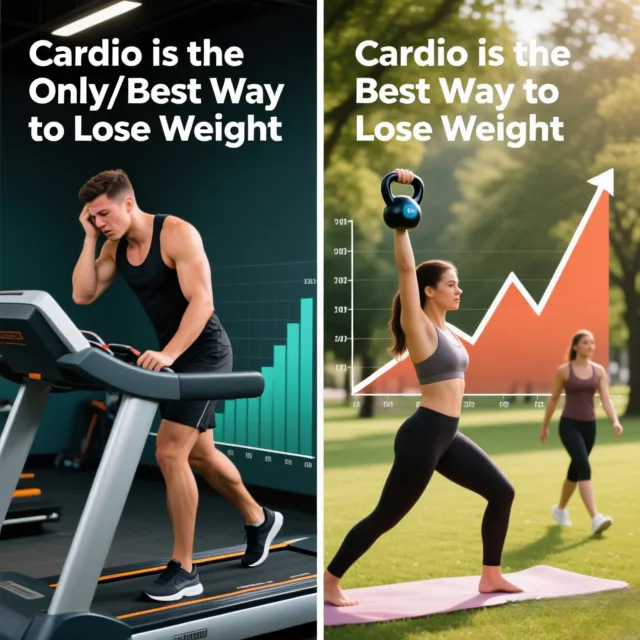
Running, cycling, and elliptical training are excellent for cardiovascular health and burning calories. However, a program based solely on cardio has a significant drawback: it does not stimulate muscle growth and sometimes even contributes to muscle loss, especially when there is a calorie deficit. Muscles are your metabolic engine. The more muscle you have, the more calories you burn at rest. Cardiovascular exercise mainly burns calories during the session itself. The truth is that the most effective strategy is synergy. Strength training 2-3 times a week to maintain and grow muscle, cardio 1-3 times for endurance and heart health, and, critically, high daily non-training activity (walking, climbing stairs, housework).
3.3 Myth: “Lifting heavy weights makes your body bigger.”
This fear, especially among women, is completely unfounded. To build impressive muscle mass, you need years of focused, hard training, a specific diet with a calorie surplus, and sometimes a genetic predisposition. Women have significantly lower levels of testosterone, the main anabolic hormone, than men. Strength training for beginners will not turn them into “bodybuilders”; it will make their bodies toned, firm, and strong. By lifting weights, you signal to your body: “I need these muscles, keep them safe! during a calorie deficit. As a result, you lose mainly fat, not muscle. The result is a beautiful shape, a higher metabolism, and strong bones.
3.4 Myth: “Sweating means burning fat”
Sweat is the body’s cooling system, not an indicator of fat burning. The amount of sweat depends on the ambient temperature, humidity, your genetics, and the quantity of clothing you are wearing. You can sweat while sitting in a sauna, but you won’t burn a significant amount of fat. Wearing multiple layers of clothing or wrapping yourself in plastic wrap to “lose weight” is a dangerous practice that only leads to dehydration and potential heart problems. Fat cells are broken down in the mitochondria of muscles and organs through complex biochemical reactions. This process is invisible and not directly related to sweating. Truth: Real fat disappears quietly, thanks to a constant calorie deficit, and not noisily, in the form of beads of sweat.
3.5 Myth: “You need long, intensive workouts every day.”
“More” does not always mean “better.” Your body gets stronger and changes not during training, but during recovery after a workout. Daily grueling workouts without rest lead to overtraining: chronic fatigue, decreased immunity, irritability, sleep disturbances, and an increased risk of injuries. This is a direct path to exhaustion and giving up on exercise altogether. The truth is that progress is built on a cycle of “stress (training) – recovery – adaptation.” For most people, 3-4 quality workouts per week, including days of rest or active recovery (light walking, stretching), are much more beneficial than daily heroics.
3.6 Myth: “Localized weight loss” (fat loss in only one body area)
As much as we would like to, we cannot force our bodies to lose fat in specific areas, such as only the stomach, thighs, or arms. Genetics and hormones determine the “order of priority”: where fat is stored first and where it is lost last. Doing 100 sit-ups a day strengthens your abdominal muscles, but it doesn’t burn fat specifically above them. Fat is lost systematically, from the whole body. However, strength training targeting problem areas is extremely beneficial. When you create an overall calorie deficit and start losing fat, you will reveal firm, toned muscles underneath. This is what creates the desired shape. The truth is that to change the shape of a specific area, you need to reduce your overall body fat percentage and add muscle mass in that area.
Section 4: Myths About Metabolism, Hormones, and “Genetics”.

4.1 Myth: “My metabolism is messed up, so I can’t lose weight.”
Metabolism is the sum of all chemical processes in the body that sustain life. It does adapt: it slows down with age, with weight loss (a smaller body needs less energy), and after prolonged low-calorie diets. But true, clinically diagnosed metabolic disorders (such as hypothyroidism) are not as common as they seem. More often than not, the “disorder” is a consequence of lifestyle.
The main real causes of seemingly slow metabolism are:
1) Loss of muscle mass due to diets without strength training;
2) Decreased spontaneous activity (you walk less, fidget less when you lose weight or get tired of dieting);
3) Chronic sleep deprivation and high stress levels (cortisol). The truth is, you can maintain a healthy metabolism by doing strength training, consuming enough protein, getting enough sleep, and staying active throughout the day.
4.2 Myth: “Hormones Make Weight Loss Impossible.”
Hormones are not a universal excuse, but they are not meaningless either. Conditions such as hypothyroidism, polycystic ovary syndrome (PCOS), insulin resistance, and menopause can definitely make weight loss more difficult. They affect appetite, fat distribution, insulin sensitivity, and energy levels. However, the key word here is “difficult,” not “impossible.” Hormones create specific conditions to which you need to adapt your strategy. Often, with hormonal problems, the quality of food (minimizing sugar and refined carbohydrates, emphasizing protein and fiber), strength training to improve insulin sensitivity, and careful attention to sleep and stress play an even more important role. The truth is, if you suspect you have a hormonal imbalance, the first step should be to visit an endocrinologist and get tested. But even if you do have a problem, controlling your diet and lifestyle remains a powerful tool for managing your weight and health.
4.3 Myth: “My genetics determine my weight, so there’s no point in trying.”
Yes, genetics affect where you store fat (apple or pear shape), your metabolic rate, and your tendency to overeat. But they do not determine your fate. Often, “genetics” hides family habits learned since childhood: a love of rich, fatty foods, a sweet tooth, and a sedentary lifestyle. You have inherited not only genes, but also a lifestyle. Genes set the range within which you can change yourself. You cannot change your bone structure or where fat is primarily stored, but you can definitely change your body fat percentage, muscle mass, strength, and endurance. The truth: instead of fighting your genetics, learn to work with your genetics. Set realistic goals based on your unique constitution. Focus on improving your health, energy, and body function, rather than blindly copying someone else’s standards.
Section 5: Quick fixes, supplements, and myths about trends.
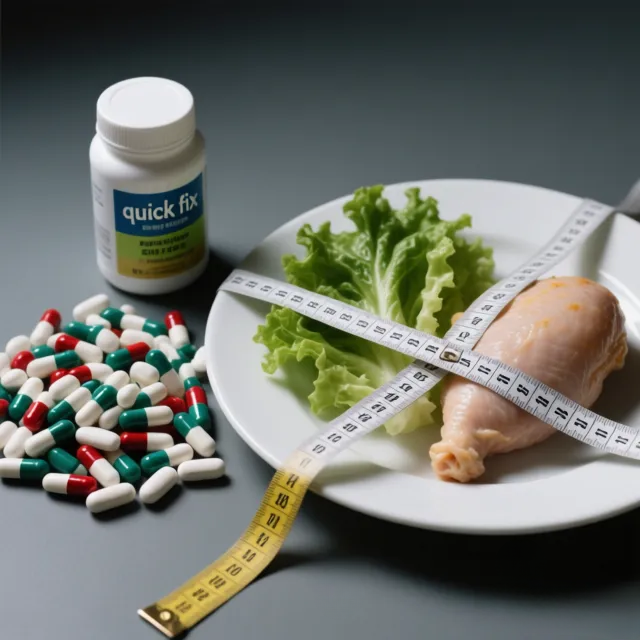
5.1 Myth: “There is a magic pill or supplement for rapid weight loss.”
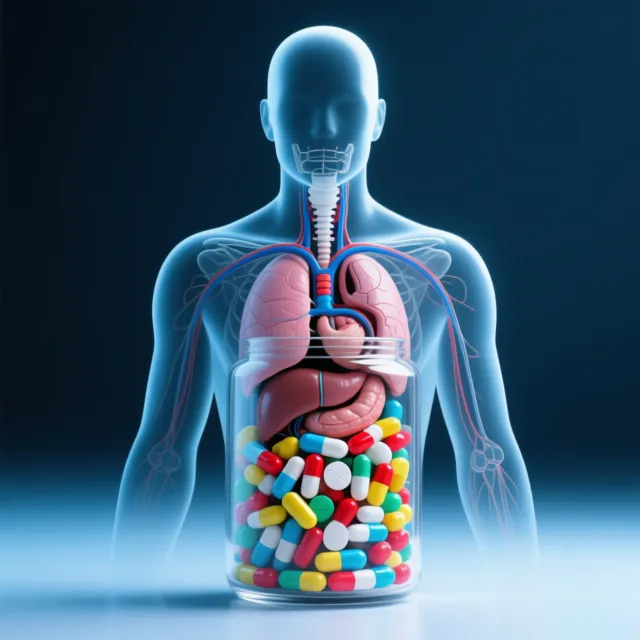
The weight loss supplement industry is a multi-billion dollar business built on hopes and dreams. The truth is, there’s no safe pill that can magically melt away fat while you’re sitting on the couch. Most of these supplements are either ineffective or have a negligible effect that is not worth their cost and potential risks. “Fat burners” often contain stimulants such as caffeine, which can slightly increase energy expenditure or reduce appetite, but their effect is short-lived and our bodies quickly adapt to them. Carbohydrate or fat blockers have questionable effectiveness and can cause digestive problems. The truth is that the only proven “magic pill” is consistency in healthy habits. Nothing can replace a calorie deficit achieved through diet and exercise..
5.2 Myth: “Fad Diets Work Best Because They Are Popular.”
The popularity of a diet is a matter of marketing and social influence, not effectiveness. Keto, paleo, intermittent fasting—all of these systems can work, but not because they are magical, but because they essentially create a calorie deficit and/or remove processed foods and sugar from the diet. The problem with fad diets is that they are extreme and have a set of strict rules that are difficult to maintain for a lifetime. They often demonize entire food groups. When the diet comes to an end and the person returns to their old habits, the weight comes back. The truth is that the best “diet” is an eating system that you can stick to for years without feeling like you’re in prison. It should be balanced, flexible, and fit your lifestyle.
5.3 Myth: “If It Worked for a Celebrity, It Will Work for Me.”
This myth is a product of the social media era. You see the perfect body of a celebrity or fitness blogger, read that they are “on a detox” or taking a “secret supplement,” and believe that this is the key. But you don’t see the whole team of nutritionists and trainers working with them, you don’t know about their genetic makeup, and you don’t take into account that their appearance is part of their job, which requires enormous investments and resources. You also don’t see the filters, Photoshop, and carefully constructed camera angles. The truth is that your journey is unique. You don’t need someone else’s protocol, but rather an understanding of the basic principles and the ability to adapt them to your schedule, budget, tastes, and physiology.
5.4 Myth: “Body wraps, fat-burning creams, and vibrating belts melt fat away.”
If it were possible to apply cream and shake off fat, the beauty industry would be the only solution needed. These methods can create a temporary cosmetic effect by dehydrating the skin (body wraps) or toning muscles (vibration), but they have no effect on the number of fat cells. Fat does not “melt” and come out through the pores. The truth is that there is only one way to get rid of fatty tissue: force the body to use it as energy. And there is no alternative to a calorie deficit for this.
Section 6: Myths About Thinking, Habits, and Lifestyle.

6.1 Myth: “I Just Need More Willpower”
Willpower is a finite resource, like a muscle that gets tired. Relying solely on it is a losing strategy. On a difficult day, when you are tired and hungry, your willpower weakens and you slip up. It is much more effective to build a system that minimizes the need for heroic efforts. It is about creating a supportive environment: removing unhealthy foods from your sight, cutting up vegetables and preparing healthy snacks in advance, and agreeing with a friend to exercise together. It’s about developing habits: for example, always eating protein for breakfast or going for a walk after dinner. When an action becomes automatic, it doesn’t require willpower. The truth is that success is built on smart planning and routine, not just self-control.
6.2 Myth: “Diets are a short-term phenomenon, after which I return to my normal routine.”
This idea is the root cause of the yo-yo effect. If you perceive the period of weight loss as a temporary, painful diet, after which you can return to “normal” life (the very one that led to weight gain), then the result is predictable. Old habits will bring back lost pounds. The truth is that the key to long-term success is not in “dieting” but in transforming your “normal.” You need to build a lifestyle that will automatically maintain a healthy weight without feeling deprived. This is not a “diet until summer” but a new, sustainable attitude toward food and exercise that will become a part of you.
6.3 Myth: “Losing Weight Must Be Painful.”
If the process of losing weight is filled with suffering, hunger, and self-hatred, then it is doomed to fail. The psyche will not be able to withstand it for long. Lasting changes occur when they are woven into life, rather than opposing it. It means finding physical activities that bring pleasure (dancing, hiking, swimming, games), rather than just sweating in the gym. It means cooking tasty and healthy dishes, not chewing on tasteless buckwheat. It means allowing yourself flexibility and not berating yourself for minor deviations. The truth is that the path to a healthy body can and should be filled with the joy of discovery, new flavors, and a sense of strength and energy. It is not a punishment, but self-care.
6.4 Myth: “If there are not any quick results, it’s not working.”
Our body is not a linear mechanism. Progress in fat loss looks like going down a staircase with stops on each floor. You might lose weight in the first few weeks due to water loss, then hit a plateau as your body adapts, and then, if you keep up your efforts, progress will resume. In addition, when you add strength training, you can gain muscle mass while losing fat. At this point, the scale may stay the same or even show a slight increase, even though your shape is improving and your clothes are fitting more loosely. Truth: Stop being a slave to the weight scale. Pay attention to non-weight-related victories: more energy, better sleep, your belt fits tighter, your ability to lift heavier weights, and your ability to walk more steps. These are the true indicators of success.
Section 7: Practical Truths for Healthy and Sustainable Weigh Loss.
7.1 Eating Habits That Really Help.
Forget about complicated plans. Focus on the basics. Build each main meal around a source of high-quality protein (chicken, fish, eggs, tofu, legumes), plenty of vegetables (fiber and volume), and a serving of healthy carbohydrates (buckwheat, quinoa, sweet potatoes, whole grain bread) or fats (avocado, nuts, oil) depending on your preferences and activity level. Use the plate method: half of your plate should be vegetables, a quarter should be protein, and another quarter should be carbohydrates. Plan your meals and grocery shopping. Prepare simple meals in advance. Drink water. These simple but consistent actions will lay the foundation.
7.2 Movement Habit That Promote Fat Burning.
Your weekly exercise plan should be like a pyramid. The base is daily activity without exercise: 8,000-10,000 steps, climbing stairs, working in the garden. The next level is 2-3 strength training sessions per week for all major muscle groups. And at the top is 1-2 moderate-intensity cardio sessions or high-intensity interval training (HIIT) for endurance. Start at the level you are at now and progress slowly. The best workout is the one you do.
Myths and Facts About Fat Loss: Findings That Change Everything.

Friends, we have come a long way. To sum up our honest discussion, the main conclusion is this: losing fat is not a secret available only to the chosen few, nor is it a battlefield where you have to torture yourself. It is a manageable process based on science, common sense, and self-respect.
In the years of our practice, we have not seen a single case where a magic pill, extreme diet, or trendy gadget has given a person lasting health and the body they desire. Instead, we have seen hundreds of success stories built on the simple but incredibly powerful principles we have discussed today.
Let’s summarize the most important points:
1. The foundation is energy balance. No amount of manipulation with macronutrients, meal times, or “superfoods” will override the law of calorie deficit. But you need to create this deficit wisely — through quality nutrition and increased activity, not through starvation.
2. Your body is your ally, not your enemy. Muscles are your metabolic capital, and you need to protect them through strength training. Hormones and genetics are the rules of the game, not a death sentence. Work with these factors, not against them.
3. Long-term results prevail over short-term gains. Rapid weight loss almost always involves the loss of water and muscle. A slow, steady transformation at a rate of 0.5-1 kg per week is the path to losing fat and forming new, healthy habits for life.
4. Quality and quantity go hand in hand. You can overeat even the healthiest foods. The basis of your diet should be nutritious (protein, fiber, healthy fats), but portion control is what steers this quality ship toward its destination.
5. Strategy is more important than willpower. Don’t rely on heroism. Create an environment that works for you: remove triggers, plan your meals, find enjoyable activities. A system is more reliable than impulse.
6. Scale is not just about kilograms. Stop being a hostage to the weighing scale. Energy in the morning, strength during training, good test results, loose-fitting clothes, and clarity of mind are your most important victories. The scale is just one of many tools.
How do you move forward?
The information noise will not subside. New “revolutionary” methods and promises will appear. Your best defense is critical thinking and a simple checklist that we suggest you keep in mind when encountering any loud claims about weight loss:
• Does it sound too good to be true? (If so, it probably is.)
• Does it require you to buy a product instead of changing your habits?
• Does it ban entire food groups without medical justification?
• Will I be able to live this way in a year? — This is the key question. If the answer is “no,” this strategy is a dead end.
Our appeal to you is not harsh, but very gentle and specific.
Don’t try to change everything at once. This is a sure path to overload and relapse.
Choose just ONE myth to reject this week. For example: “I will stop blaming my poor metabolism for everything and focus on what I can control.” Or: “I will stop being afraid to eat after six if I am hungry.”
And pick just ONE small but realistic habit to implement. For example: “I will add a plate of vegetables to every main meal.” Or: “I will start my morning with a glass of water and a 10-minute walk.”
These micro-steps, based on facts rather than myths, are where big, real changes begin. The ones that stick with you.
Be healthy and kind to yourself. Your body deserves care based on truth.
Want this article to read in pdf later?
Enter your Email Address to get this article in pdf format