

Stepping on the scale after starting a new prescription can bring up a lot of questions, especially when appetite feels different. Does strattera cause weight loss?
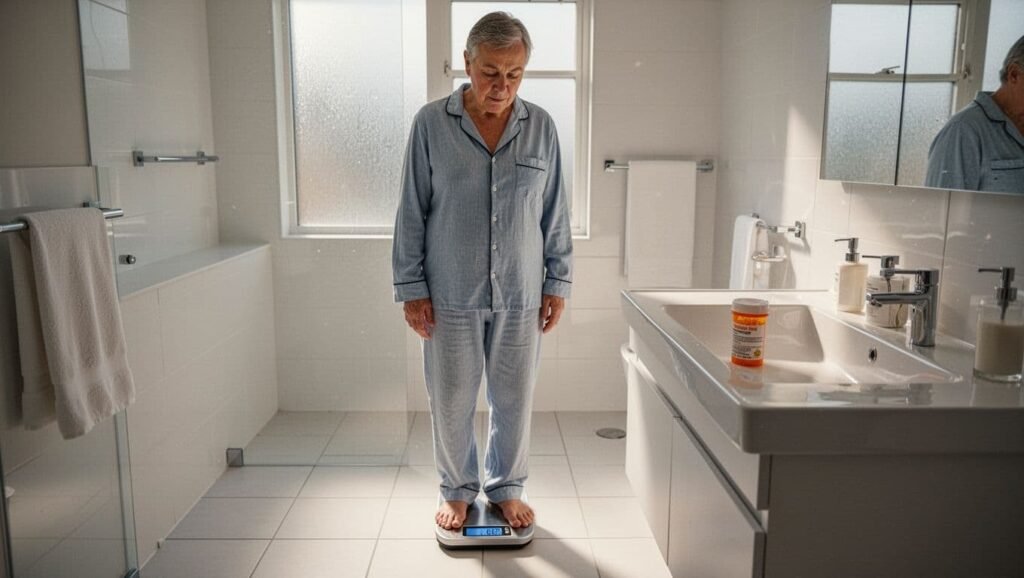
We start a new ADHD med, promise ourselves we won’t overthink every little change, then we step on the scale anyway. Maybe our jeans fit a bit looser. Maybe lunch didn’t sound good for the third day in a row. And the question pops up fast: does Strattera cause weight loss, or is something else going on?
Strattera (atomoxetine) is a non-stimulant medication for ADHD. It works differently than stimulant options, so the side effect pattern can feel different too. Weight changes can happen, but they don’t look the same for everyone, and context matters (age, dose, appetite, activity, and other meds).
We’re sharing general information to help us make sense of what we notice and how to talk about it with a clinician. It’s not personal medical advice.
Table of Contents
Does Strattera cause weight loss, and how common is it?

For many of us, the plain-language answer is the most helpful one: some people lose weight on Strattera, many don’t, and some gain weight. When weight loss happens, it’s often mild and more likely earlier in treatment, when side effects are most noticeable. Over time, appetite and weight may level out as our body adjusts.
This matches what’s commonly described in prescribing information and clinical study results for atomoxetine: appetite changes can occur, and weight loss can show up, especially at the start. That doesn’t mean Strattera is a “weight loss medication.” It means eating can feel different for a while, and the scale sometimes reflects that.
Two things make this confusing:
- ADHD itself can shape how we eat. When symptoms shift, our food habits can shift too.
- Weight naturally moves up and down with sleep, stress, and routine. Starting medication often changes all three.
Why weight can drop at first (appetite, nausea, and feeling full faster)
Early on, Strattera can mess with our appetite in simple ways. We might feel less hungry, feel full sooner, or get mild nausea that makes food less appealing. Even dry mouth can slow us down, because chewing and swallowing just feels less comfortable.
In real life, this can look like “skipping breakfast because it doesn’t sound good,” or “eating half our usual lunch and feeling done.” When that happens for a few days in a row, the calorie drop adds up.
There’s also a more indirect path: if Strattera helps our ADHD symptoms, some of us may snack less out of boredom, eat fewer impulse treats, or remember to pack an actual lunch instead of grazing all afternoon. Not everyone gets this effect, but it’s common enough to be part of the picture.
Kids and teens versus adults, the patterns aren’t the same
With children and teens, the main concern often isn’t quick weight loss. It’s slowed weight gain during a time when growth should be steady. That’s why clinicians usually monitor weight and height in kids on ADHD medications, including non-stimulants like Strattera.
Adults tend to see smaller changes. If weight loss happens, it’s often tied to appetite changes, nausea, or a new routine. Baseline weight matters too. If we already ate irregularly, any appetite dip can show up quickly. If we had steady meals and snacks, the same side effects might barely move the needle.
What else could explain weight loss while taking Strattera?
Sometimes we pin the change on the new bottle in the medicine cabinet because it’s the clearest “before and after.” But weight loss around the time we start Strattera can have other causes that happen in parallel.
The week we start medication is often the week we also change our mornings. We might set an earlier alarm to take a dose, skip breakfast while rushing out, or drink more coffee because we’re still tired. Even small changes like that can shave off a few hundred calories a day without us noticing.
It also helps to remember that bodies can be weirdly seasonal. In February, routines shift for a lot of us. Less daylight can change sleep. Cold weather changes appetite for some people. Stress after the holidays can still linger. Weight changes can ride along with these patterns and feel “med-related” even when it’s more mixed.
If we want a clearer answer, tracking simple patterns helps us avoid false conclusions. It’s hard to remember exactly what we ate three Tuesdays ago, but it’s easy to notice “I felt nauseous after my morning dose and didn’t eat until 2 pm.”
Side effects that quietly cut calories (nausea, constipation, heartburn)
GI side effects are a common reason appetite drops. Nausea is the big one, but constipation, stomach pain, and heartburn can also push us to eat less. Sometimes we don’t even feel sick, we just feel “off,” and suddenly plain foods are all we want.
Timing can offer clues. For some of us, symptoms are worse soon after dosing, or worse in the morning. Many people find these effects improve after a few weeks, especially if dose increases are gradual.
Basic supports can help, like staying hydrated and getting enough fiber, but persistent vomiting, severe belly pain, or signs of dehydration mean we should contact a clinician.
Life changes that ride along with treatment (sleep, stress, routines, caffeine)
When focus improves, we might start cooking again, plan meals, or stop skipping lunch. That can lead to weight gain or weight loss depending on what “normal” looked like before.
Stress can also shrink appetite. So can anxiety, which some people notice on Strattera, especially early on or after a dose change. Sleep is another piece. If we’re sleeping poorly, we might eat less because we feel nauseated and wired, or we might snack more to stay alert.
Then there are the “extras”: changing caffeine habits, cutting back on nicotine, starting a new workout routine, or switching other meds (stimulants, antidepressants, thyroid medication). Any of these can affect appetite and weight, and they can overlap with the Strattera timeline.
When weight loss is a red flag, and when it’s usually not
Discussing weight, appetite, and side effects with a clinician can turn a vague worry into a clear plan (created with AI).

A small dip on the scale isn’t always a problem. If we had a few days of nausea, ate less, and lost a little weight, that can be a short-term side effect that settles. The bigger concern is fast, ongoing, or unwanted weight loss, or weight loss that comes with symptoms that make daily life hard.
It also depends on who we’re talking about. In kids and teens, even modest changes can matter because growth is part of the goal. For adults, the key is often whether we can eat normally, stay hydrated, and keep energy up.
We also don’t want to stop Strattera suddenly on our own. If weight loss worries us, the best move is to bring it to the prescriber and problem-solve together.
Signs we should call the prescriber soon
If we’re unsure whether weight loss is “normal,” these situations are worth a prompt check-in:
- Weight dropping quickly or continuing to fall week after week without leveling off
- Trouble eating most days, or skipping meals because nausea is constant
- Dehydration signs, like very dark urine, dry mouth that won’t quit, or headaches that track with low intake
- Dizziness, fainting, or weakness, especially when standing
- Severe nausea, vomiting, or intense belly pain
- Mood changes, new irritability, worsening anxiety, or feeling unusually down
- Children not growing as expected, or clothes fitting differently in a short time
- History of an eating disorder, where appetite changes can be risky even if weight loss looks “small”
Urgent symptoms like chest pain, trouble breathing, or signs of a serious allergic reaction need urgent medical care.
How clinicians handle it (dose timing, slower increases, food, and check-ins)
When weight loss or low appetite shows up, clinicians often start with practical tweaks. Taking Strattera with food can reduce nausea for some of us. Changing the time of day may help too, depending on how side effects line up with meals and sleep.
Another common approach is slower dose increases. If our body is struggling to adjust, giving it more time can help appetite come back. In some cases, clinicians may consider splitting the dose (when appropriate), or treating side effects like constipation, which can quietly ruin appetite.
If side effects don’t settle, it’s also normal to discuss other ADHD options. The right medication is the one we can tolerate while still getting symptom benefits.
How we can track weight changes without getting obsessed
Simple notes can show patterns that are easy to miss day to day, like nausea after dosing or skipped meals (created with AI).

When we’re asking “does Strattera cause weight loss,” it’s tempting to weigh ourselves daily and spiral. That usually creates more noise than clarity. A calmer method is to track less often, but track smarter.
We’re not trying to build the perfect spreadsheet. We’re trying to answer basic questions: Are we eating less? Are we feeling sick? Is it improving? Are there certain days that are worse?
A simple 2-week check, what to write down and what patterns to look for
A two-week window is long enough to see trends, and short enough to feel manageable.
- Weigh no more than 1 to 2 times per week, at the same time of day.
- Jot down a quick appetite score (0 to 10), plus nausea (yes or no).
- Note the basics: dose time, sleep length, and whether we ate breakfast and lunch.
After two weeks, patterns often jump out. We might see that nausea peaks 60 minutes after dosing, and lunch disappears on those days. Or we might see the opposite: appetite is fine, but stress is high and we’re skipping meals because we’re busy.
Those notes make appointments easier. Instead of “I think I’m losing weight,” we can say, “I’m skipping lunch three times a week because nausea hits late morning.”
If weight loss is the goal, why Strattera isn’t a safe plan
It’s important to say this plainly: Strattera is not a weight-loss drug. Using it for weight loss, or hoping for appetite suppression as the main effect, can backfire. Side effects can hit hard, nutrition can slip, and mental health can take a hit too.
If we want to lose weight for health reasons, safer paths exist, and they start with a clinician who can look at our full picture (medical history, labs when needed, and realistic options). ADHD treatment and weight management can work side by side, but they shouldn’t be treated as the same thing.
Conclusion
So, does Strattera cause weight loss? It can for some of us, especially early on, and it’s often tied to appetite changes or stomach side effects. Many people don’t lose weight at all, and some gain.
The safest approach is simple: watch for patterns, track for two weeks without obsessing, and check in with our prescriber if weight loss is fast, ongoing, or comes with symptoms that worry us. The goal isn’t a certain number on the scale, it’s feeling steady, fed, and supported while our ADHD treatment starts to work.
Want this article to read in pdf later?
Enter your Email Address to get this article in pdf format