

Hello, friends. My name is Anna, and I have over 15 years of experience in dietetics. I have seen hundreds of clients who dreamed of lose belly fat with diet only. I have been through this myself, experimenting with dozens of approaches, and now I am ready to share with you harsh and effective practices. Yes, it is possible to significantly reduce your waistline without even stepping foot in a gym, but it won’t be a quick and easy trip. It is a precise science of food, discipline, and understanding your body. Let’s figure it out together, without rose-colored glasses and empty promises.
Table of Contents
Why the belly is our “problem area”: an inside look.

Before declaring war against fat, you need to understand your enemy. I always tell my clients: the belly is not just an aesthetic problem. It is an indicator of internal processes. And you need to fight not the fat, but the reasons for its accumulation.
Main culprits: not just cakes.

Many people believe that belly fat is the price you pay for eating a piece of cake. But that’s just the tip of the iceberg. The main causes I encounter in my practice are:
1. Insulin swings. It is our main enemy. When you eat simple carbohydrates (sugar, white bread, sweet pastries), your blood sugar levels skyrocket. In response, the body releases insulin, which not only lowers sugar but also actively stores energy “for later” — right in the fat depots, especially in the abdominal area. That is visceral fat, which envelops the internal organs.
2. Chronic stress and cortisol. Here lies a cause that is often overlooked. You may be eating right, but the belly fat won’t go away. The culprit is the stress hormone cortisol. Under conditions of constant stress (work, lack of sleep, anxiety), it signals to the body: “Hard times are coming, we need to store energy for the future!” And again — in the waist area.
3. Age and metabolism. As we age, our metabolism naturally slows down. Muscle mass, which burns calories even at rest, decreases. If we continue to eat the same way we did when we were 20, the excess inevitably settles on our sides and stomach. This is biology, not a sentence.
4. Hidden sugars and “healthy” deceptions. Often, people who want to lose weight around their stomachs through diet alone load up on low-fat yogurts, ready-made sauces, muesli, and packaged juices. They don’t know that these products are packed with hidden sugars and artificial additives that negate all their efforts.
Understanding these mechanisms, we no longer just mindlessly cut calories; we work precisely to correct internal malfunctions.
The foundation of nutrition: three pillars that support a flat stomach.
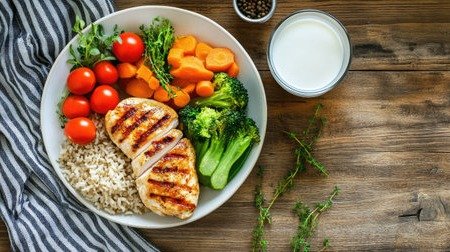
Now let’s move on to practice. A diet for burning belly fat is based on three unshakable principles. This is my professional framework, which I adapt to each individual.
1. Control carbohydrates, don’t fight them.
Your goal is to stabilize your insulin levels. To do this, we do the following:
• eliminate sugar and refined carbohydrates. Forget about white bread, soft wheat pasta, cookies, candy, and soda. These are not foods; they are fuel for your belly fat cells.
• Focus on complex carbohydrates with a low glycemic index. Your new friends are green buckwheat, quinoa, brown rice, coarse oats, whole grain bread (in moderate amounts), and bulgur. We should eat them strictly in the first half of the day so that the body has time to use up the energy.
• Vegetables are the basis of your diet. Especially all types of leafy greens, cabbage, zucchini, cucumbers, tomatoes, and bell peppers. Fiber is our main ally. It fills the stomach, giving a feeling of fullness, cleanses the intestines, and slows down the absorption of sugars.
2. Protein — builder and protector.
Protein is key to maintaining muscle mass when you are in a calorie deficit. Muscles are like an oven that burns calories. The more muscle you have, the faster your metabolism is. Every meal should contain high-quality protein:
• Animal sources: chicken breast, turkey, lean fish (cod, pollock, hake), eggs, 5% cottage cheese, seafood.
• Plant sources: lentils, chickpeas, beans, tofu (for variety).
Protein requires a lot of energy to digest (thermic effect of food) and keeps you feeling full for a long time.
3. Healthy fats are for hormone balance.
Being afraid of fats is a huge mistake. Healthy fats are essential for hormone production, including those responsible for breaking down fat. They also keep you feeling full for longer.
• Include in your diet: avocados, a handful of nuts (almonds, walnuts), flax and chia seeds, cold-pressed olive oil (for salad dressing), fatty fish (salmon, herring) 2-3 times a week.
What does this mean in practice? My approach to menu planning.
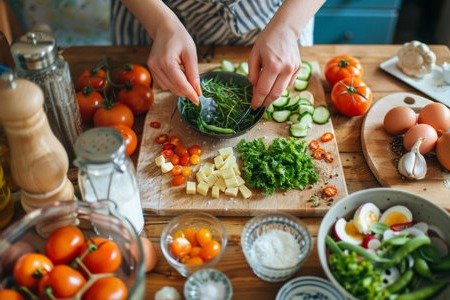
I don’t provide universal menus because they don’t work. I provide a system. Here’s what a typical day looks like for a client who wants to lose belly fat through diet alone.
• First meal (8:00 a.m.): Omelet made with two eggs, spinach, and tomato, steamed or cooked with a small amount of oil. A cup of green tea.
• Second meal (11:00 a.m.): Plain Greek yogurt without sugar with a handful of berries (raspberries, blueberries).
• Lunch (2:00 p.m.): Baked turkey breast (150-200 g) and a large serving of fresh vegetable salad (cucumbers, peppers, cabbage, greens), dressed with a spoonful of olive oil and lemon juice.
• Afternoon snack (5:00 p.m.): An apple or a handful of almonds.
• Dinner (7:00 p.m.): Fish baked with lemon and herbs and a large serving of stewed vegetables (broccoli, cauliflower, green beans).
• Important: 1.5-2 liters of clean water per day. Sugar-free tea and coffee.
Please note: after 4:00 p.m., carbohydrates (even complex ones) are practically excluded. In the evening, only protein and vegetables.
Sabotaging foods: the foods you should definitely remove from your kitchen.

If you are serious about losing weight around your stomach through diet alone, your refrigerator needs a thorough clean-out. You should throw away or give away:
1. All types of industrial sugar and its substitutes (except stevia in extreme cases). It also includes honey and syrups in large quantities.
2. White flour and all its derivatives: bread, baguettes, rolls, pasta.
3. Factory-made sauces: ketchup, mayonnaise, soy sauce with sugar. We should substitute mustard, balsamic vinegar, and natural yogurt with herbs.
4. Low-fat “diet” foods. The fat has been removed, but starch and sugar have been added for flavor. This is a trap.
5. Alcohol, especially beer and sweet cocktails. Not only is it high in calories, but it also stops the fat-burning process until the body eliminates it.
Nuances that make all the difference: my professional life hack.
My experience has taught me that victory is made up of small things.
Water is not just something to “drink.”
Drink a glass of warm water with a slice of lemon 20 minutes before a meal. It gently stimulates digestion and helps control your appetite. Cold water during meals slows down your metabolism, and you should break this habit.
Routine is your ally.
Try to eat at the same time every day. Your body likes predictability. It sets your hormonal system and digestion in the right mode. Eat your last meal at least 3 hours before bedtime.
Sleep and stress are part of your diet.
Lack of sleep (less than 7-8 hours) increases ghrelin (the hunger hormone) and decreases leptin (the satiety hormone). You will want to eat more, especially sweet and unhealthy foods. Find ways to relieve stress: breathing exercises, walks, and hobbies. High cortisol is an insurmountable barrier to a flat stomach.
Cheat meals: pros and cons.
Once every 7-10 days, you can allow yourself one “forbidden” food in reasonable quantities (a slice of pizza, a dessert). It is a psychological release and a boost for your metabolism. But this is not a day of gluttony! And only if you have strictly followed the plan all week.
Real results and conclusions.
Is it possible to lose weight in the stomach area with diet alone? Yes, absolutely. I have seen people lose 5, 10, 15 cm in their waistline simply by rethinking what they put on their plate. But this is not a “diet” in the sense of temporary restrictions. It is a transition to a new type of nutrition: conscious, clean, focused on quality rather than quantity of food.
It is a path that requires maximum honesty with yourself. Weigh your portions for the first couple of weeks to understand the volumes. Keep a food diary (at least in your mind). Don’t expect miracles in three days. You will see the first changes in 2-3 weeks, and stable results in 2-3 months.
Your belly is the last to go — that’s a fact. But when you finally button up your jeans that have been gathering dust in your closet for a long time, you will realize that it was worth all the effort. You won’t just lose weight. You will learn to listen to your body, become more energetic, and calmer. Trust the process, friends. And with my experience, I am confident that you will succeed.
Want this article to read in pdf later?
Enter your Email Address to get this article in pdf format