
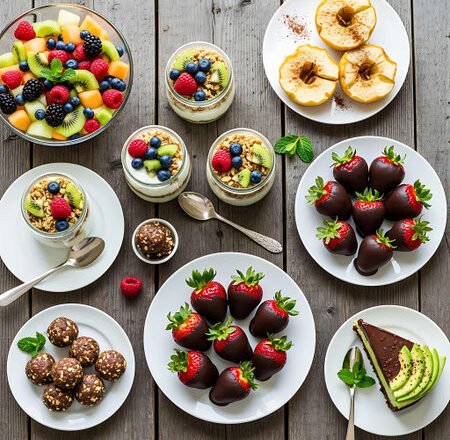
You’re sitting in the kitchen again in the semi-darkness, unwrapping the rustling wrapper, while everybody else in the house has long been asleep. Or maybe you’re lying in bed, and your thoughts are revolving around one thing — dark, milk, with nuts… You are not alone. How to stop craving chocolate at night? Nighttime chocolate cravings are a real epidemic that people are embarrassed to talk about. But today we’re going to speak openly about it. This article isn’t just a list of prohibitions. It’s a step-by-step guide to understanding your desires and gaining control. We’ll figure out why this happens and, most importantly, how to stop craving chocolate at night forever, regaining peaceful sleep and comfort.
Table of Contents
Why do we crave chocolate so much at night?

You need to know your enemy to defeat them. Nighttime chocolate cravings aren’t about weak willpower, but a complex mix of physiology, psychology, and habits.
1. Physiology: hormonal swings. By evening, the stress hormone cortisol levels drop, and melatonin (the sleep hormone) starts to rise.
Insulin can “spike” after dinner, causing blood sugar levels to drop. When the brain detects an energy deficit, it demands the fastest “fuel” available: sugar. Chocolate is the ideal candidate: it combines fast carbohydrates with fats, providing an instant but short-lived rush of pleasure.
2. Psychology: the end of the day is my territory. Nighttime is often the only time that belongs to you. After a day full of responsibilities, a chocolate bar becomes a reward, an act of self-care and self-service. It’s a way to relieve accumulated stress and get a dose of dopamine, the neurotransmitter of pleasure.
3. Habit: the strongest player.Our brains love rituals. If you have repeated the sequence “evening → sofa → anxiety/boredom → trip to the kitchen → chocolate” several times in a row, then neural pathways have been laid down. Now your brain perceives this as an automatic program. The signal (late evening) triggers the action (desire for chocolate) almost without your conscious participation.
4. Deficiency during the day. Strict diets and consciously avoiding sweets during daylight hours lead to psychological deprivation. At night, your self-control is depleted (this is a scientific fact, known as “ego depletion”), and suppressed desires break through with triple force.
Understanding these reasons is the first step toward stopping your nighttime chocolate cravings. You will stop blaming yourself and start managing the process.
Strategy 1: Reboot your daytime diet (foundation)
Nighttime cravings have their roots in the daytime. By building a sensible diet, you will eliminate the cravings.
- Balance proteins, fats, and complex carbohydrates. Each meal should contain all three components. Protein (chicken, fish, tofu, lentils) and healthy fats (avocado, nuts, olive oil) slow down the absorption of carbohydrates, maintaining stable sugar levels and a feeling of fullness. Protein is a must for dinner.
- Don’t skip meals. Long breaks are a sure way to overeat in the evening.
- Consciously include a “forbidden” food in the afternoon. Allow yourself a small piece of high-quality chocolate (for example, 2-3 squares from a 70% cocoa bar) for an afternoon snack. Eat it consciously, without rushing, enjoying the taste. It will remove the effect of the “forbidden fruit” and reduce the likelihood of a nighttime breakdown.
- Drink water. Sometimes the brain confuses thirst with hunger or a craving for sweets. Drink a glass of water when you feel the urge coming on.
Strategy 2: Evening rituals instead of autopilot
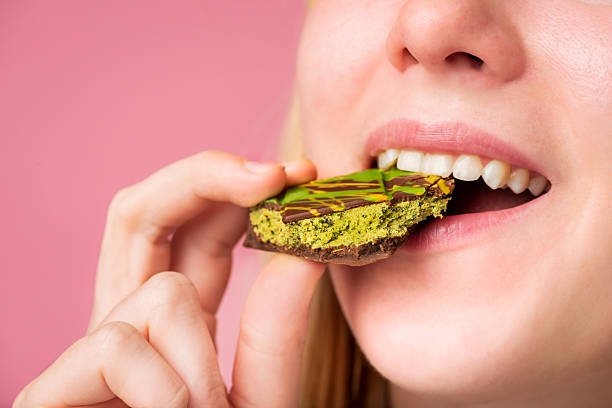
Replace your old bad habit with a new, healthy one. The goal is not just to “not eat,” but to redirect your energy.
- Create an “anchor” to end the day. It could be:
- A cup of herbal tea (chamomile, mint, lemon balm) in a pretty mug. The ritual of brewing and slowly drinking signals relaxation to your brain.
- A 10-minute meditation or breathing exercises (for example, the 4-7-8 method: inhale for 4 counts, hold for 7, exhale for 8).
- Write down 3 things you are grateful for each day in a journal. This shifts your focus from anxiety to positivity.
- Remove triggers from sight. If you have chocolate in your home, put it in the most inaccessible place possible (high top shelf, back of the cupboard). Alternatively, it is best not to buy it for a while, until the new habit is established. “Out of sight, out of mind” works perfectly here.
- The “10 minutes” technique. When you have an intense craving, say to yourself: “I’ll wait 10 minutes and do something else.” Get up, brush your teeth (after that, food tastes unpleasant), do some light stretching, and read a book. In 80% of cases, the craving will weaken or disappear.
Strategy 3: Dealing with emotions and stress
Often, chocolate is a way to “eat away” unexpressed emotions. Nighttime is when emotions tend to overwhelm us.
- Ask yourself: “What am I really feeling right now? (Boredom, anxiety, resentment, fatigue) And what do I need besides food?”
- Find non-food ways to comfort yourself: a warm bath, watching a good TV series, talking to a loved one, hobbies (knitting, adult coloring books).
- Practice mindfulness. Just observe the desire without judging yourself. Say, “Yes, I notice a strong desire to eat chocolate. It’s just a thought and a feeling. They are here, and then they will go away.” That separates you from the impulse.
Strategy 4: Healthy alternatives for emergencies
Sometimes the craving is too intense. It’s wise to have a plan B.
- If you want something sweet: fruit (banana, apple, handful of berries), a spoonful of honey in tea, plain yogurt with cinnamon, or a date.
- If you crave a creamy, fatty texture, a small piece of avocado, a spoonful of almond butter (unsweetened), or Greek yogurt.
- If you want a bitter cocoa taste, make a drink from raw cocoa powder (not to be confused with sweet Nesquik), hot water/milk, and a pinch of cinnamon. This will give you the taste without a sharp spike in sugar.
Important: Don’t use these substitutes every evening, otherwise they will become a new compulsive habit. This is “first aid,” not a daily menu.
Strategy 5: Sleep as a friend
Lack of sleep directly affects hunger (ghrelin) and satiety (leptin) hormones. A tired brain seeks quick energy and has less control over impulses.
- Establish good sleep hygiene: darken the room, turn off gadgets an hour before bedtime, and go to bed at the same time every night.
- Getting enough sleep (7-9 hours) is the best vaccine against nighttime cravings.
What to do if you slip up?
The most important thing is not to beat yourself up. Feeling guilty is your worst enemy. It starts a vicious cycle: “I slipped up → I’m a failure → now it doesn’t matter → I’ll eat more.” Instead:
- Stop. Put down the wrapper and walk away.
- Take a breath. Without judgment.
- Analyze without emotion: “What led me to this today? Was I too hungry? Was I nervous? Was I bored?”
- Thank yourself for this analytical pause and go to sleep.
- In the morning, start your day with a healthy breakfast as if nothing had happened. Your one slip-up does not negate all your efforts. It is not a failure, but a point of reference for future victories.
Conclusion: the path to freedom
How to stop craving chocolate at night? The answer lies not in willpower, but in strategy, kindness to yourself, and understanding your real needs. It’s a path from automatic reaction to conscious choice.
You build a new foundation through nutrition, create new evening rituals, learn to listen to your emotions, and respect your need for rest. Step by step, you break the cycle of habit. Remember that this craving does not define you. It is just a signal that you have learned to decipher.
Start small today. Drink a cup of soothing tea in the evening instead of going on autopilot to the cupboard. Congratulate yourself on this small escape from the captivity of habit. And remember: every evening is a new opportunity to choose in favor of your true self, the one who wants to wake up feeling refreshed, light, and free.
You can do it. Your nighttime freedom begins right now.
Want this article to read in pdf later?
Enter your Email Address to get this article in pdf format