

Achieving a toned, strong, and healthy body is a marathon, not a sprint. For years, many people have been struggling with the question: how can we get our bodies to burn excess fat while building quality muscle mass and what gym diet for fat loss and muscle gain? The secret lies not in magic pills or exhausting starvation diets, but in a well-designed nutrition system. A diet for weight loss and muscle gain, often referred to as “drying out” or “body recomposition,” is not just a list of restrictions. It is a strategic plan that retrains your body to use fat stores for energy, directing all nutrients from food toward muscle repair and growth. This step-by-step guide will walk you through all the stages of building the perfect diet, explain the scientific principles behind them, and offer practical tools for achieving your fitness goals.
Table of Contents
Fundamental nutrition principles for body transformation

Before diving into calculations and specific menus, it is vital to understand the philosophy behind successful body transformation. Without this foundation, all further actions will be like trying to build a house without a blueprint.
The golden rule: moderate calorie deficit

The main driver of fat burning is a calorie deficit. This is the immutable law of energy balance: for the body to start breaking down its own fat reserves, you must consume less energy than you expend. However, this is where most people make a fatal mistake by going to extremes. The body perceives an overly aggressive deficit (more than 700-1000 kcal from the daily norm) as an alarm signal, a threat to survival. In response, it not only accelerates fat breakdown but also activates energy-saving mechanisms: it slows down the metabolism, reduces energy levels, and, most unpleasantly for athletes, begins to break down muscle tissue. Muscles are a metabolically active and energy-intensive resource that the body seeks to get rid of in conditions of “starvation.” Therefore, the key to a successful diet for burning fat and gaining mass is a moderate, controlled deficit of 10-20% of your daily calorie intake, which is approximately 300-500 kcal. This approach allows you to lose fat smoothly and predictably, minimizing muscle loss and maintaining high energy levels for productive workouts.
Macronutrients: the building blocks of your body

If calories are your overall budget, then proteins, fats, and carbohydrates (PFCs) are your expenses. The proper distribution of macronutrients is what makes a diet for muscle definition and mass truly effective.
Protein: a building material and guardian. Protein is the primary macronutrient for anyone looking to change their physical shape. It has a triple role: first, the amino acids that make up proteins are the primary material for the repair and growth of muscle fibers damaged during training. Second, protein foods have a high thermic effect — the body expends more energy to digest them, which slightly speeds up metabolism. Third, and this is especially important when there is a calorie deficit, protein is very filling and helps control appetite. Foods should be high quality: chicken breast, turkey, lean fish (tuna, cod, pollock), beef, eggs, cottage cheese (5% fat or less), Greek yogurt, as well as plant-based options like tofu, tempeh, lentils, chickpeas, and quinoa. For effective muscle maintenance and growth in conditions of training and calorie deficit, it is recommended to consume 1.6-2.2 grams of protein per kilogram of body weight.
Carbohydrates: fuel for winning. Fear of carbohydrates is the biggest misconception in the fitness world. Carbohydrates are not the enemy, but the main source of energy for your central nervous system and muscles. Giving them up leads to lethargy, apathy, the inability to train intensively, and, as a result, zero progress. However, not all carbohydrates are equally beneficial. Your goal is to eat complex carbohydrates: oats (long-cooking), buckwheat, brown rice, quinoa, bulgur, whole grain pasta, whole grain bread, as well as vegetables and fruits. They have a low glycemic index, which means they release energy slowly, ensuring stable blood sugar levels and a long-lasting feeling of fullness. Simple carbohydrates (sugar, white bread, pastries, sweet drinks) should be limited as much as possible, leaving them only for targeted use within the “carbohydrate window” after highly intense workouts.
Fats: Hormone Regulators. Healthy fats are critical for overall health and athletic performance. They are involved in the synthesis of hormones, including testosterone, which plays a key role in anabolism (muscle growth). Fats are also necessary for the absorption of fat-soluble vitamins (A, D, E, K), joint health, and brain health. Healthy fats are found in avocados, nuts (almonds, walnuts), seeds (flax, chia), olive oil, flaxseed, and other unrefined vegetable oils, as well as in fatty fish (salmon, herring). Fats should make up about 20-30% of your daily calorie intake.
Eating habits and the importance of hydration

The way you eat is almost as important as what you eat. Eating 4-6 times a day in small portions is not a strict rule, but an effective tool. This approach helps maintain a stable metabolic rate throughout the day, prevents sudden hunger pangs that often lead to overeating and breakdowns, and allows for a steady supply of nutrients to the muscles. Breakfast is essential, as it “kicks off” metabolic processes after a night’s sleep.
Hydration is a cornerstone that is often overlooked. Water is the medium for all biochemical reactions in the body, including the process of lipolysis (fat breakdown). Dehydration of just 2% can significantly reduce strength, endurance, and cognitive function. Drink 30-40 ml of water per kilogram of body weight per day. On training days, this amount should be increased. Drink 400-500 ml of water 1-2 hours before training, and take a few sips every 15-20 minutes during your workout.
Calculating your individual calorie and macronutrient requirements

It is necessary to personalize your diet for weight loss and muscle gain to ensure its effectiveness. General recommendations are a starting point, but precise calculations will enable you to move toward your goal as quickly as possible and without setbacks.
Step-by-step calculation of daily calorie intake
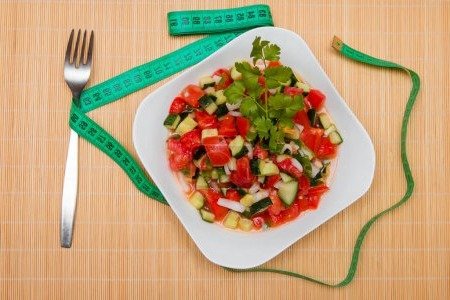
The calculation begins with determining the Basal Metabolic Rate (BMR) — the number of calories needed to maintain the body’s vital functions at rest (breathing, blood circulation, brain activity, etc.).
Step 1: Calculate your BMR using the Mifflin-St. Jeor formula (currently considered one of the most accurate):
• For men: BMR = (10 × weight in kg) + (6.25 × height in cm) – (5 × age in years) + 5
• For women: BMR = (10 × weight in kg) + (6.25 × height in cm) – (5 × age in years) – 161
Example for a 30-year-old man weighing 80 kg and measuring 180 cm:
(10 × 80) + (6.25 × 180) – (5 × 30) + 5 = 800 + 1125 – 150 + 5 = 1780 kcal/day.
Step 2: Multiply the BMR by the physical activity factor.
That will give you the calorie requirement to maintain your current weight.
• Sedentary lifestyle (minimum movement): × 1.2
• Light activity (1-3 light workouts per week): × 1.375
• Moderate activity (3-5 full workouts per week): × 1.55
• High activity (5-6 intense workouts): × 1.725
• Very high activity (hard physical work + daily workouts): × 1.9
Let’s continue with our example: our man trains 4 times a week. 1780 × 1.55 = 2759 kcal. This is his norm for maintaining weight.
Step 3: Create a deficit for weight loss.
To do this, subtract 10-20% from the resulting figure. For starters, you can take 15%.
2759 kcal × 0.15 = 414 kcal.
The final target calorie intake for weight loss: 2759 – 414 = 2345 kcal. We round it up to 2350 kcal.
Optimal macronutrient distribution for body recomposition.

Now that we know our calorie intake, we can calculate the grams of protein, fat, and carbohydrates. We will use a ratio that has proven itself well for our purposes: 30% protein, 40% carbohydrates, 30% fat.
Remember:
• 1 g of protein = 4 kcal
• 1 g of carbohydrates = 4 kcal
• 1 g of fat = 9 kcal
Calculation for our example (2350 kcal):
1. Protein: 30% of 2350 = 705 kcal. Divide by 4 = 176 grams per day.
2. Carbohydrates: 40% of 2350 = 940 kcal. Divide by 4 = 235 grams per day.
3. Fats: 30% of 2350 = 705 kcal. Divide by 9 = 78 grams per day.
Thus, our hero’s daily meal plan looks like this: 2350 kcal, 176 g of protein, 235 g of carbohydrates, 78 g of fat.
To keep track, use mobile apps such as MyFitnessPal or FatSecret, which can greatly simplify the process of weighing and recording foods.
Nutrition strategy around training
What you eat before, during, and after training directly affects your performance, recovery speed, and final result.
Pre-workout nutrition: the foundation for productive training
Your main goal is to provide your body with energy for high-intensity work and create an amino acid pool to protect your muscles from catabolism.
A complete meal containing complex carbohydrates and lean protein is ideal 2-3 hours before training. Examples:
• Buckwheat with baked chicken breast and fresh vegetable salad.
• Brown rice with braised beef and braised broccoli.
• Omelet made with three eggs and oatmeal cooked in water.
Carbohydrates will provide sustained energy, and protein will gradually supply amino acids to the blood.
If you were unable to eat 30-60 minutes before training, have a light, easily digestible snack:
• Banana.
• Low-fat Greek yogurt.
• A small protein bar.
• A handful of berries.
The purpose of this snack is to slightly raise your blood sugar without causing heaviness in the stomach. Be sure to drink 200-300 ml of water 30 minutes before starting.
Nutrition during training: simplicity and effectiveness.

For most people whose training lasts less than 60-75 minutes, water is the only necessary support. Drink it in small sips every 15-20 minutes. Eating hard food or even gainer during this period is not advisable, as blood rushes to the working muscles rather than the stomach, which can cause discomfort, heaviness, and heartburn. For long, multi-hour workouts (such as a marathon), it makes sense to use isotonic drinks or energy gels to replenish electrolytes and glycogen.
Post-workout nutrition: a window of opportunity for growth.
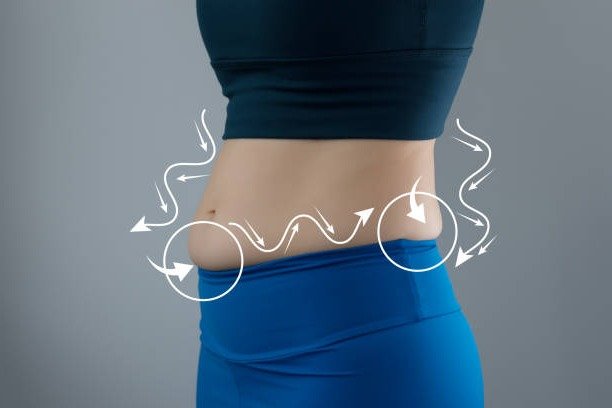
This is the most crucial meal in the context of a diet for gaining muscle mass and burning fat. The body has a so-called “protein-carbohydrate” or “anabolic window” for 30-60 minutes after the end of a workout. During this period, muscles are particularly receptive to nutrients, and their cells eagerly absorb glucose and amino acids for rapid recovery.
Your task is to provide them with:
1. Fast proteins to stop catabolism and start the repair processes of muscle fibers.
2. Carbohydrates with a high glycemic index to replenish depleted glycogen stores in muscles and liver as quickly as possible.
Ideal post-workout meal options:
• Sports nutrition: Protein shake (whey isolate or hydrolysate) and a banana. This is the fastest and most convenient option.
• Regular food: Omelet made with 3-4 egg whites and one whole egg with a slice of white bread or a serving of cottage cheese with honey.
• A more substantial meal in 1-1.5 hours: Baked chicken breast with boiled potatoes or rice.
Fats should be kept to a minimum in this meal, as they slow down the absorption of proteins and carbohydrates. And, of course, don’t forget to replenish your water loss by drinking 500-700 ml of water within an hour after your workout.
Recommended foods and examples of simple meals.

The basis of your diet should consist of whole, minimally processed foods. It ensures that you get not only the necessary macronutrients but also vitamins, minerals, and fiber.
The food should be in your refrigerator
High-protein foods:
• Chicken breast, turkey (fillet)
• Lean beef, veal
• Fish: tuna (fresh and canned in its own juice), cod, pollock, haddock, pink salmon, salmon (2-3 times a week)
• Seafood: shrimp, squid
• Eggs (especially egg whites)
• Dairy products: cottage cheese (up to 5%), Greek yogurt (natural, no sugar added), kefir, milk
• Plant-based proteins: tofu, tempeh, lentils, chickpeas, beans, quinoa
Sources of complex carbohydrates:
• Grains: oatmeal (long-cooking), buckwheat, brown rice, quinoa, bulgur, barley
• Vegetables: broccoli, cauliflower, spinach, asparagus, green beans, cucumbers, tomatoes, bell peppers, zucchini, all types of leafy greens
• Starchy vegetables: sweet potatoes, potatoes (in moderation), corn, pumpkin
Sources of healthy fats:
• Avocados
• Nuts: almonds, walnuts, cashews (a handful per day)
• Seeds: flax, chia, sunflower
• Vegetable oils: extra virgin olive oil, flaxseed oil
• Fatty fish: salmon, herring, mackerel
Examples of simple, tasty, and healthy dishes

Breakfast: “Energy” oatmeal.
Cook 60-80 g of oatmeal in water or milk. Two minutes before it is ready, add half a sliced banana. Add one scoop of protein powder (e.g., vanilla) or 100 g of cottage cheese, a handful of berries, and 5-10 g of nuts to the finished porridge. This dish is rich in complex carbohydrates, protein, fiber, and healthy fats.
Lunch: Quinoa salad with tuna.
Mix 100 g of boiled quinoa with one can of tuna in its own juice (softened), add chopped cucumber, tomato, half an avocado, and lots of greens. Dress with a tablespoon of olive oil and lemon juice—a balanced dish containing a full spectrum of macronutrients.
Dinner: Baked chicken breast with a vegetable side dish.
Season the chicken breast (150-200 g) with salt and pepper, sprinkle with lemon juice, and bake in the oven for 25-30 minutes until golden brown. For the side dish, steam or bake a mixture of broccoli, cauliflower, and carrots. An ideal dinner is high in protein and fiber.
Snack: Cottage cheese mousse.
Mix 150 g of 0-5% cottage cheese in a blender with 50 ml of milk, half a banana, or a handful of berries. You can add cocoa for a chocolate flavor. Quick, healthy, and very filling.
Common mistakes and the role of sports supplements

Even with theoretical knowledge, many enthusiasts make mistakes that hinder their progress for years.
Mistakes that negate all your efforts
1. Protein deficiency. The most common mistake. Without adequate protein, muscles have nothing to recover from and begin to “burn” in conditions of calorie deficiency.
2. Demonizing carbohydrates. Eliminating carbohydrates from your diet deprives you of energy, makes your workouts sluggish and useless, slows down your metabolism, and provokes sugar cravings.
3. Chronic water deficiency. Dehydration reduces strength, interferes with nutrient transport, and slows down fat burning.
4. Too aggressive a calorie deficit. Wishing to lose weight as quickly as possible leads to muscle loss, loss of strength, a slowdown in metabolism, and the body switching to “economy” mode.
5. Ignoring post-workout meals. Skipping meals after training deprives your muscles of the opportunity to recover and grow properly.
6. Lack of routine. Irregular meals, long periods of hunger, and subsequent overeating disrupt metabolism and make it difficult to control appetite.
Sports supplements: helpers, not a panacea
Supplements cannot replace a balanced diet, but they can be a valuable tool in your arsenal.
• Protein powder: Indispensable for those who find it challenging to get enough protein from regular food. Whey protein is quickly absorbed and is ideal after training. Casein, which is absorbed slowly, is good before bedtime.
• Vitamin and mineral complexes: Protect against micronutrient deficiencies, which is especially important when following a restricted diet.
• Omega-3 fatty acids: Support cardiovascular health, reduce inflammation, and improve insulin sensitivity.
• BCAAs (branched-chain amino acids): Their effectiveness in preventing catabolism is debatable if you consume enough protein from food. They can be helpful during very long workouts or workouts on an empty stomach.
• Creatine: One of the most researched and effective supplements for increasing strength and muscle endurance. It allows you to do more reps per set, which stimulates muscle growth.
Remember: supplements are just that—supplements to your diet. They only make sense once you’ve got your basic nutrition plan in place. It is recommended to consult a doctor before starting any supplements.
Conclusion: Your journey to transformation begins today.

A diet for weight loss and muscle gain is not a temporary measure, but a well-thought-out nutrition system based on scientific principles and a deep understanding of your body’s needs. It is a path that requires discipline, patience, and awareness, but the reward is priceless: a strong, toned, and healthy body, high energy, and self-confidence.
Key takeaways to remember:
• Calorie deficit should be moderate to protect muscle.
• Protein is your main ally, so consume it in abundance.
• Don’t be afraid of carbohydrates; choose complex ones.
• Drink water throughout the day.
• Eating before and after training is key to getting results.
• Whole, unprocessed foods should form the basis of your nutrition.
Pay attention to your body’s signals, don’t be afraid to experiment and adjust your nutrition plan depending on how you feel and your progress. By following these principles, you are not just “going on a diet” — you are laying the foundation for a new, better quality of life. Your ideal body is built in the kitchen, and the gym is just where it takes its final shape.
Want this article to read in pdf later?
Enter your Email Address to get this article in pdf format